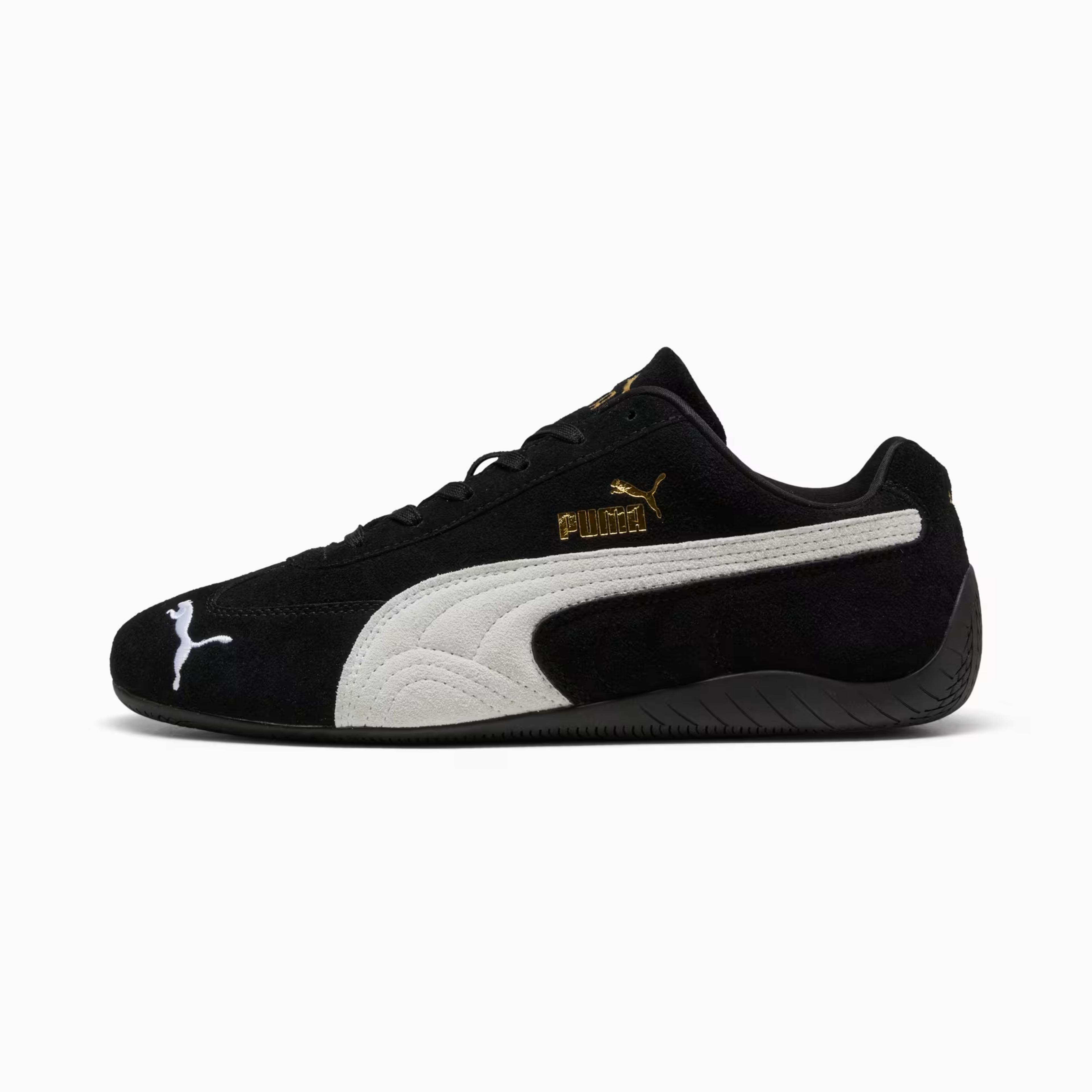
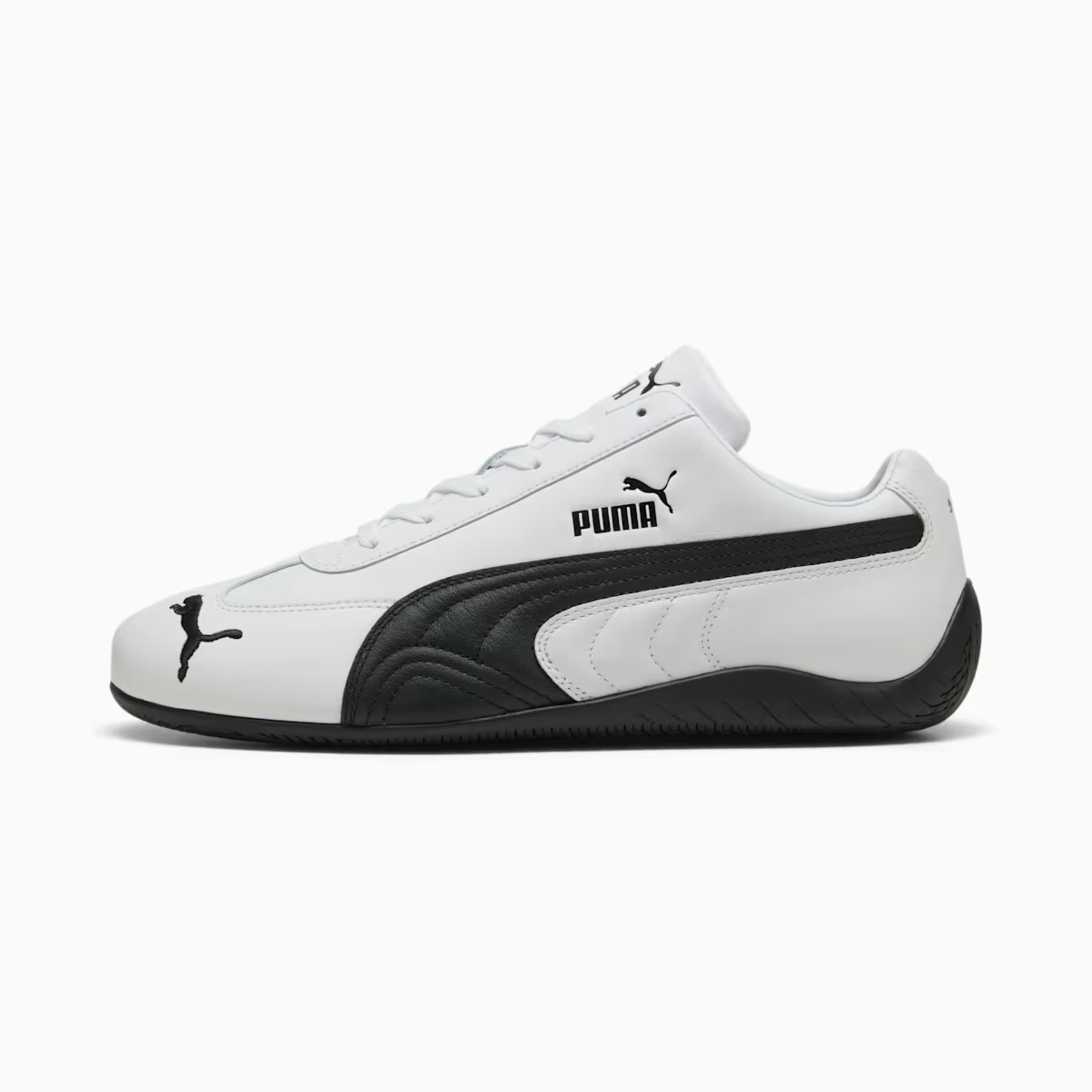
Walk into any of the 440-plus Puma stores scattered across 30 Indian states right now and nothing looks different. The Suede Classics are still on the wall, the Speedcats are still selling, the Bengaluru head office is still running like any other Tuesday. And yet, on paper, Puma's ownership structure just shifted in a way that could reshape how the brand operates in India over the next few years — most people buying sneakers this week have no idea it happened.
In late January 2026, Chinese sportswear giant ANTA Sports agreed to acquire a 29.06% stake in Puma SE for roughly €1.5 billion in cash, buying the shares from Groupe Artémis — the Pinault family's investment vehicle that had held a controlling position in Puma for years. The deal is structured through Ancat Holding GmbH, an ANTA subsidiary, and Puma's stock jumped on the announcement. That much was reported widely at the time. What's new — and what makes this an India story, not just a European finance headline — is that India's own competition regulator has since cleared it.
Why This Cleared a Regulator in India At All
Because Puma runs real, sizeable operations here. Puma India pulled in roughly ₹3,348 crore in revenue in FY2023-24, operates over 440 stores across 30 states, and runs its India headquarters out of Bengaluru. That footprint is exactly why the Competition Commission of India had to weigh in before the ANTA-Puma deal could proceed — and per Storyboard18's reporting, the CCI granted that clearance on June 10, 2026. That single approval is a required step before the deal can formally close, which industry reporting expects by the end of 2026, subject to remaining procedural steps.
Storyboard18's coverage explicitly names Puma's footprint as spanning "Europe, Latin America, Africa and India" as part of the stated value of the acquisition — meaning India isn't a footnote in ANTA's thinking here, it's specifically called out as one of the markets that made this deal worth doing.
What ANTA Actually Wants — And Why Now
ANTA has been explicit that this isn't a full takeover bid. Per Retail Dive's reporting, the company says it will instead "consider deepening the partnership" over time — language that reads as cautious by design, likely to avoid spooking Puma's existing leadership or triggering a messier regulatory fight in Europe.
The timing makes sense once you look at Puma's 2025. The brand went through a leadership shakeup, posted third-quarter declines, and cut jobs in October — the kind of year that makes a company an attractive turnaround target rather than a defensive acquisition. ANTA has done this exact playbook before: it's the same conglomerate that owns Arc'teryx through its Amer Sports umbrella, and Arc'teryx's recent run has been one of the stronger brand revivals in the outdoor category. If ANTA applies even part of that discipline to Puma, this stops being a story about ownership paperwork and starts being a story about whether Puma's product actually gets better.
What This Could Mean for Puma's India Business Specifically
Nothing changes on shelf tomorrow. That's worth saying plainly, because ownership-structure stories tend to get read as more dramatic than they are in the short term. But India is explicitly named in the deal's rationale, and ANTA's broader reputation is built on aggressive direct-to-consumer expansion and faster, tighter supply chains — both areas where Puma India's 440-store network could realistically see change first, simply because it's already a scaled, profitable operation rather than a market ANTA has to build from zero.
If there's a test case for how ANTA's ownership actually affects Puma's day-to-day product and retail strategy, India — given its size and existing infrastructure — is a plausible place for that test to show up early, rather than late.
There's also a structural detail worth flagging: ANTA has stated no intention to launch a full takeover offer for the remainder of Puma, which matters for how much control actually changes hands here. A 29.06% stake makes ANTA the largest single shareholder, but it isn't majority control, and Puma's existing management and board structure stay in place unless something changes down the line. That's a meaningfully different scenario from a full acquisition — it's closer to gaining serious influence than an outright change of ownership, and the distinction matters for how much day-to-day disruption Puma's India operations should realistically expect in the near term.
Our Take: Should Puma Loyalists Actually Worry?
Two honest opinions. First — sneakerheads tend to treat ownership and capital-structure news as background noise, the boring cousin of an actual drop story. That's usually fair. It wasn't fair for Reebok when Authentic Brands Group took over, and it's a live question for Puma now. But the Arc'teryx precedent genuinely cuts the other way here — ANTA has shown it can own a Western performance brand and make it sharper rather than hollowing it out for margin. That's not the outcome most "conglomerate buys beloved brand" stories deliver, and it's worth acknowledging when the evidence points that direction.
Second — if ANTA does bring its DTC and supply-chain playbook to Puma's biggest growth markets, India is a genuinely strong candidate to feel that first, given the scale Puma already has here. That's not a guarantee of better product on shelves in Bengaluru or Delhi next year. But it's a more optimistic read than the instinctive "here comes the ownership churn" reaction most of us default to, and it's the one we'd actually bet on.
For now, the Suede Classics and Speedcats on the wall aren't going anywhere, and neither is Puma's Bengaluru HQ. What's worth watching is whether ANTA's playbook shows up in India before it shows up anywhere else. If you want to see how Puma has already been reshaping its India ambassador roster independent of this deal, we covered that in our piece on Puma India's next-generation athlete bets. And if you're shopping while this all plays out, browse what's currently in stock at SNKRS CART.