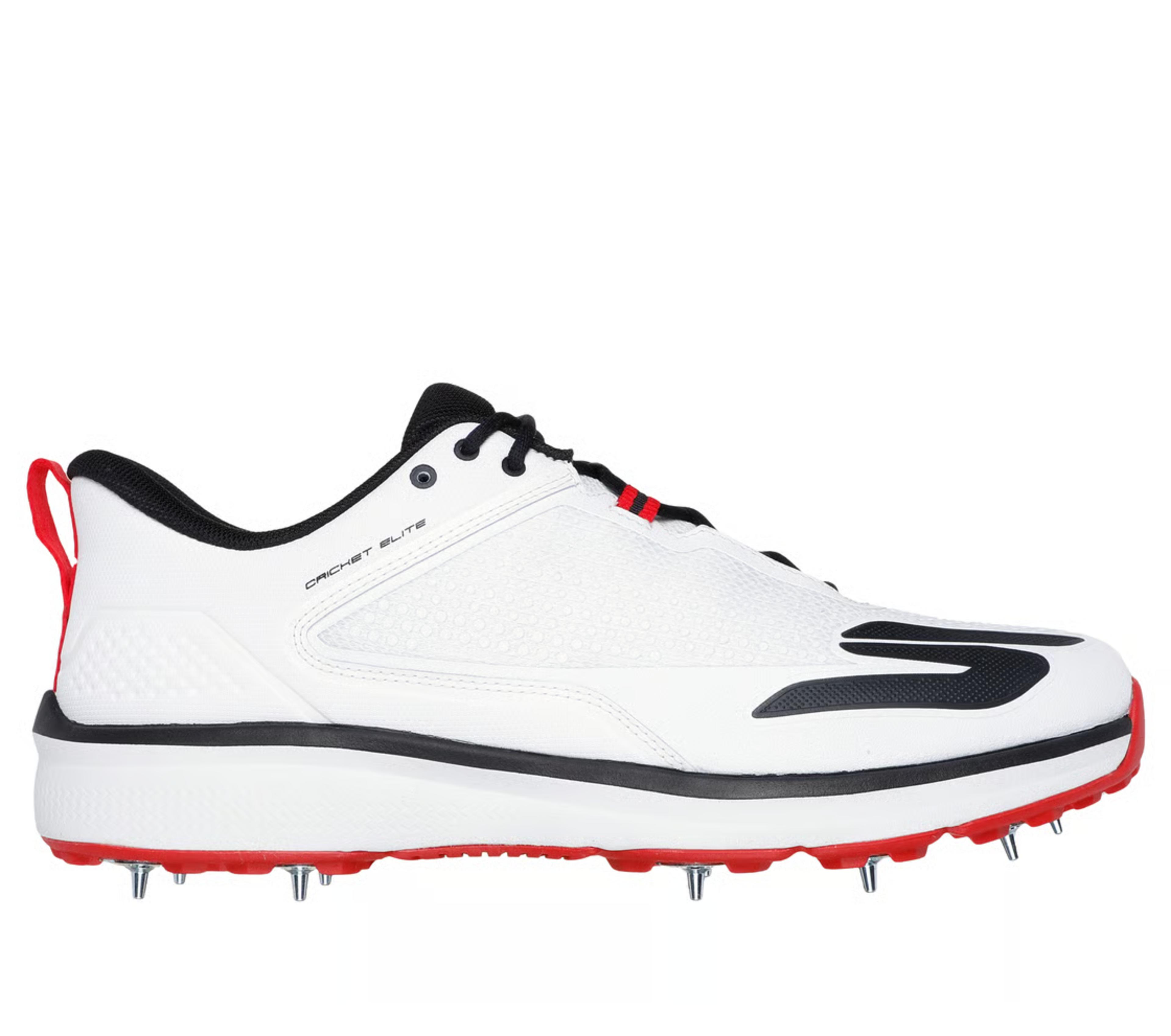
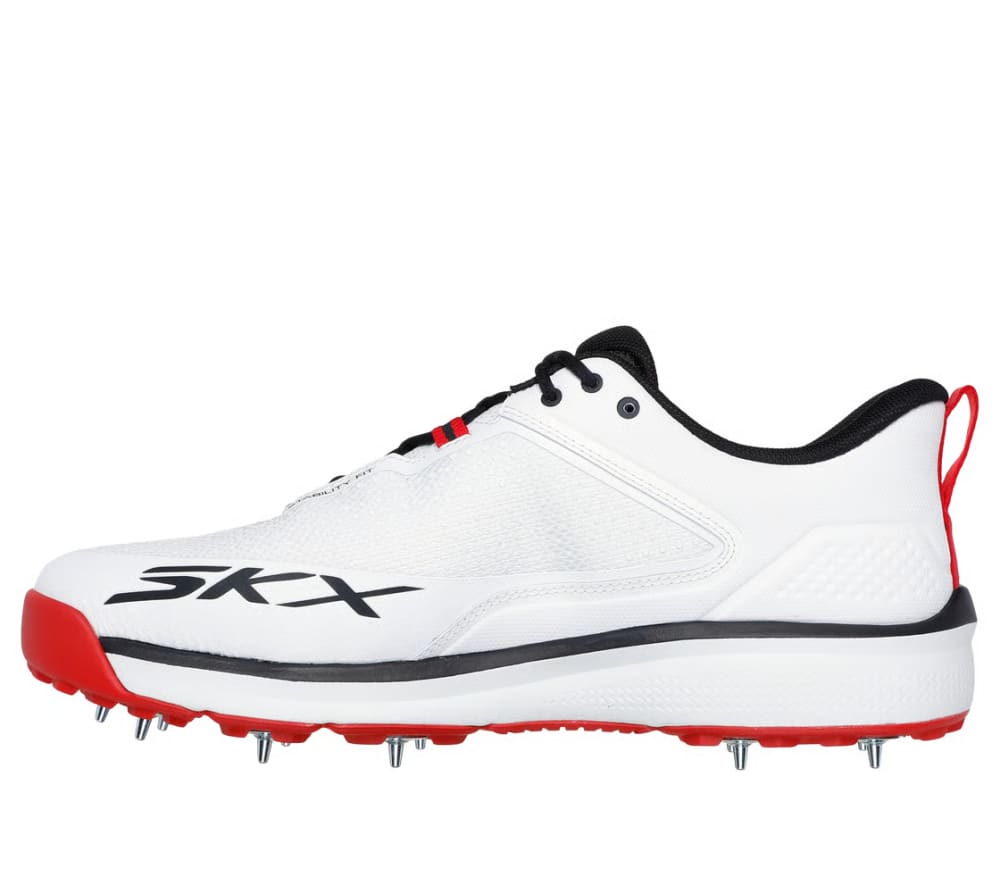
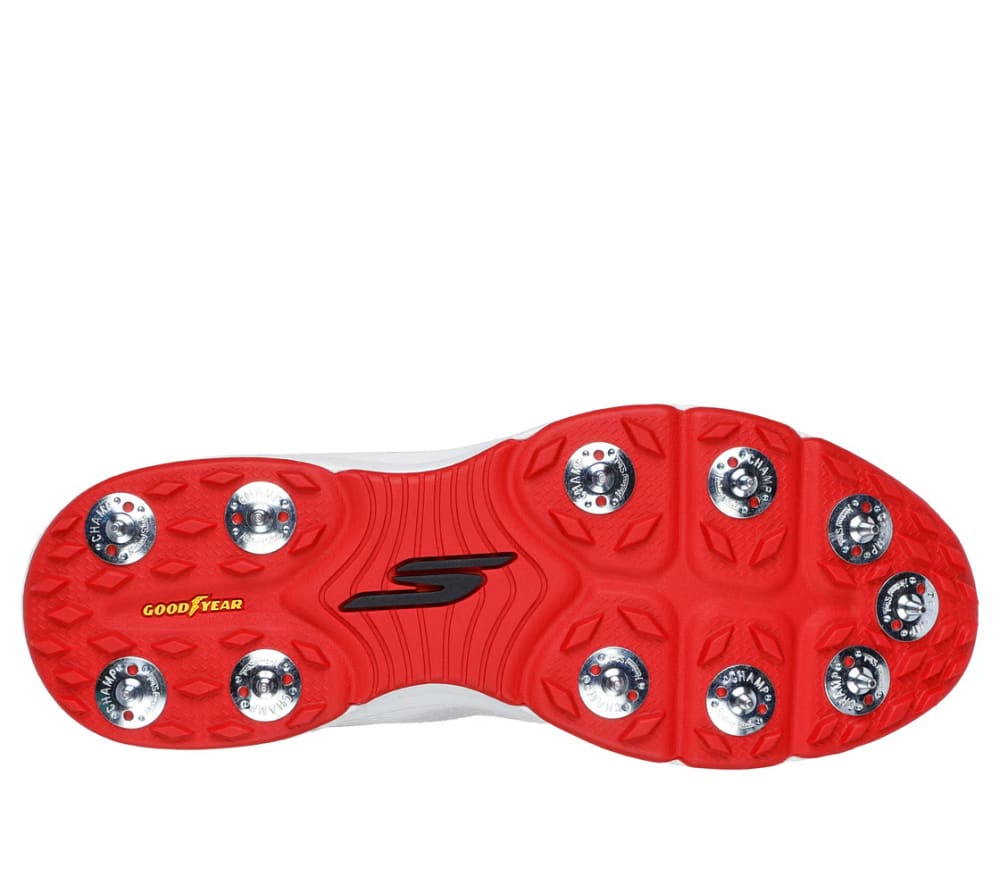
Eleven. That's the number of adjustable metal spikes packed into the Skechers Cricket Elite, and it's also roughly the number of years Puma spent building its entire Indian cricket footwear identity around one man's face. So here's the actual question worth asking this month: which brand understands what Indian cricketers need on their feet right now — Puma, running on a decade of Virat Kohli equity, or Skechers, which quietly assembled a four-athlete roster and shipped a genuinely technical shoe in under a year?
This isn't a hypothetical rivalry we're inventing for content. Skechers built a real performance product, signed real players, and expanded it to a second country — while Puma, per our own reporting on its post-Kohli ambassador roster, is now rebuilding its India cricket story around a new generation of names. Two very different playbooks, running at the same time, in the same market.
The Case for Skechers: Spec Sheet Over Star Power
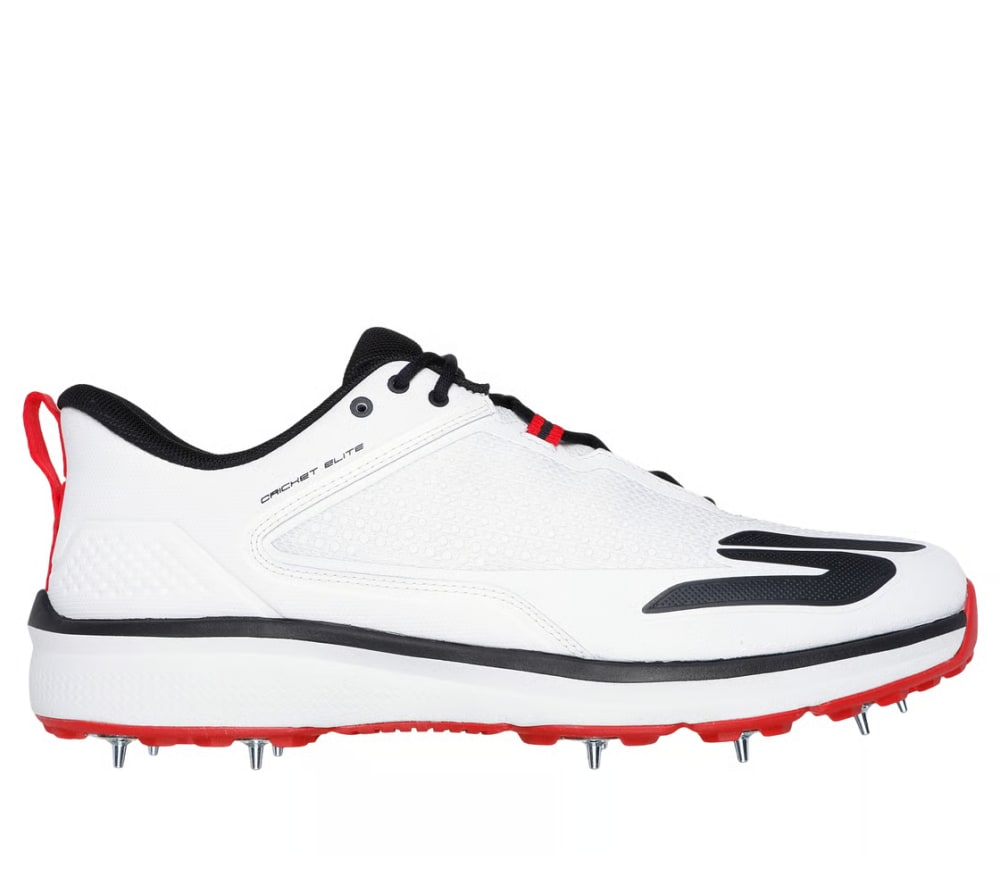
The Skechers Cricket Elite isn't a lifestyle sneaker wearing a cricket label. It's built with 11 removable metal spikes for fielders and fast-bowler traction, a Goodyear performance rubber outsole, Ultra Go cushioning in the midsole, Skechers Move Foam underfoot, and a patented Arch Fit insole system for support through long spells — specs confirmed on Skechers' own India product listing and via khelmart.com's breakdown. There's a second tier too: the Cricket Blade, running 7 spikes for players who prioritise agility over raw power, sitting alongside the Elite rather than replacing it.
The athlete roster backs the technical pitch. Jasprit Bumrah, Mohammed Siraj, Ishan Kishan, and Yastika Bhatia are all signed to the line, according to bestmediainfo.com's coverage of the Siraj deal. Siraj's signing landed after his 23-wicket series against England, including a five-wicket haul at The Oval — Rahul Vira, CEO of Skechers South Asia, framed him at the time as representing "relentless spirit, resilience, and raw talent." Bumrah, for his part, donated a pair of his match-worn Cricket Elite spikes to the MCC Museum at Lord's after a five-wicket performance there, which is the kind of detail a marketing team can't manufacture — it has to actually happen.
The Case for Puma: A Decade of Built-In Trust
Puma doesn't need to explain its India cricket story — Kohli did that work for them. Nearly a decade of visibility around one of the sport's biggest global names built brand association that no spec sheet can replicate overnight. That's real equity, and it's why Puma's shift toward a new generation of ambassadors, which we covered in detail separately, still carries weight even as the Kohli chapter winds down. Consumers don't buy Puma cricket gear because of removable spike counts. They buy it because of what a decade of association already told them about the brand.
But that's also Puma's exposure. Star-driven endorsement strategies are fragile in a way technical-product strategies aren't — when the star's role shifts, so does the story you're telling. Skechers never had that risk in the first place, because it never bet the whole line on one face.
The India Angle — And Why the Export Direction Is the Real Story
Here's what actually makes this newsworthy rather than a routine athlete-endorsement recap: the Skechers Cricket line launched in India first, then expanded to the UK on February 12, 2026, according to sgbonline.com. Richard Parker, Skechers' UK & Ireland managing director, put it plainly at launch: "Cricket originated from the UK and has more recreational players and fans participating here every year." Read that again — a global brand built a cricket-specific performance product for India first, then exported it to the sport's country of origin. That's the reverse of how most global sportswear stories play out in India, where we're usually the last market to get anything.
Pricing is squarely mid-range for a performance category: ₹14,999 MRP on Skechers' India site, with retail listings showing it available around ₹12,749 after discount. That's not budget cricket gear, but it's not scalper territory either — it sits right where a serious club-level or weekend league player would actually shop, which is a smarter price ladder than most lifestyle-sneaker collabs manage.
It also matters that Skechers didn't stop at one product tier. Running the Cricket Elite's 11-spike power build alongside the 7-spike Cricket Blade for agility-first players means the brand is already thinking in terms of playing position and technique, not just slapping one silhouette across every athlete on the roster. That's the kind of category-specific product thinking you'd expect from a specialist cricket-gear brand, not a lifestyle sportswear company dipping a toe into a new sport — and it's exactly the detail that gets lost when the conversation stays fixated on which athlete's face is on the box.
Our Verdict: Who's Actually Winning This?
Two honest takes here. First — we think performance-spec cricket footwear is going to become the next real battleground between sportswear brands operating in India, not just another round of lifestyle collabs and jersey-adjacent sneaker drops. Skechers proved you can build a technical product fast and get real athletes to vouch for it without spending a decade doing it. Puma and Nike should be paying attention, because the "sign one megastar and coast" playbook has a shelf life.
Second — the India-first-then-export sequencing is genuinely unusual, and it's worth asking whether this is a one-off marketing win or a signal that global sportswear brands are starting to treat India cricket gear development as a serious testing ground rather than an afterthought market. If it's the latter, that's a bigger shift than any single shoe drop.
Puma still has the bigger cultural footprint in India for now — but the gap between "brand with the biggest name attached" and "brand with the better product" is narrower than it's been in years. For everyday performance kicks off the pitch, check out what's in stock from Adidas in our store while this cricket footwear rivalry plays out.
For more on how Puma is navigating its India strategy after the Kohli era, read our breakdown of Puma India's bet on its next generation of ambassadors.