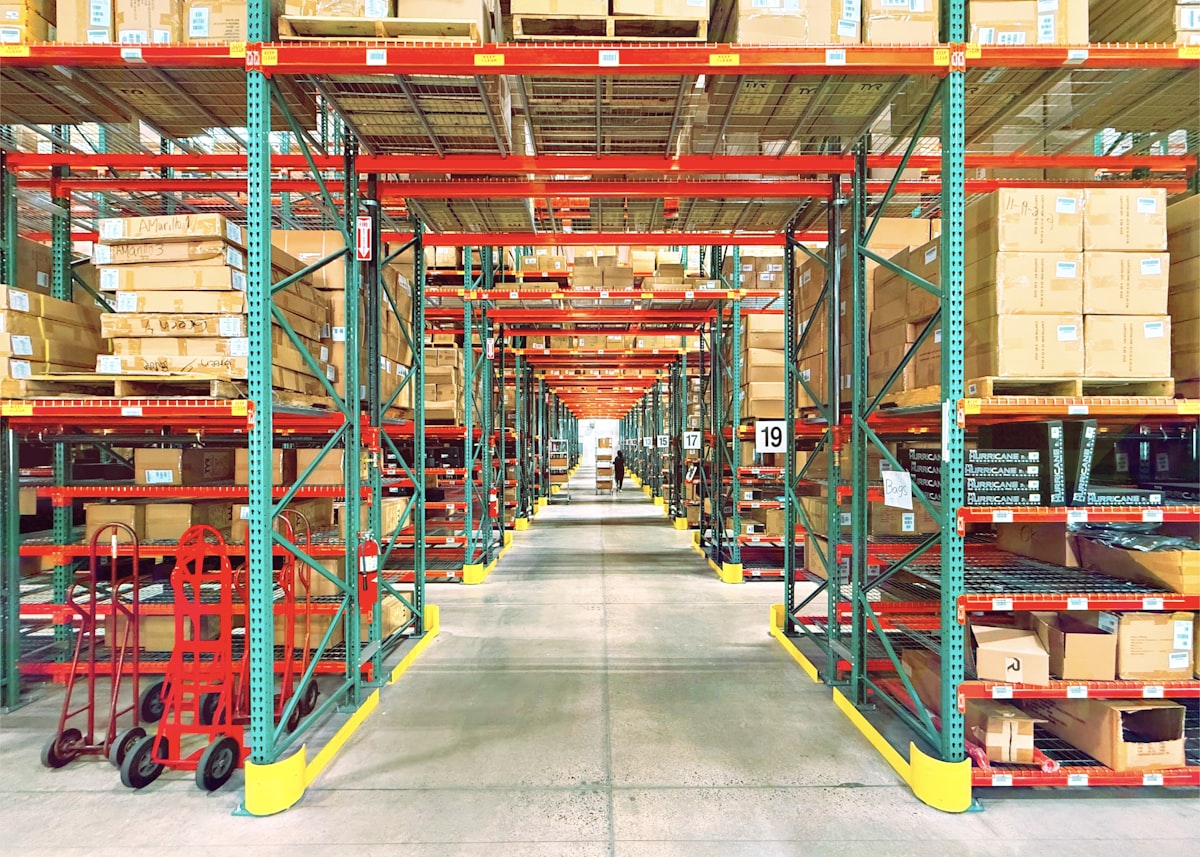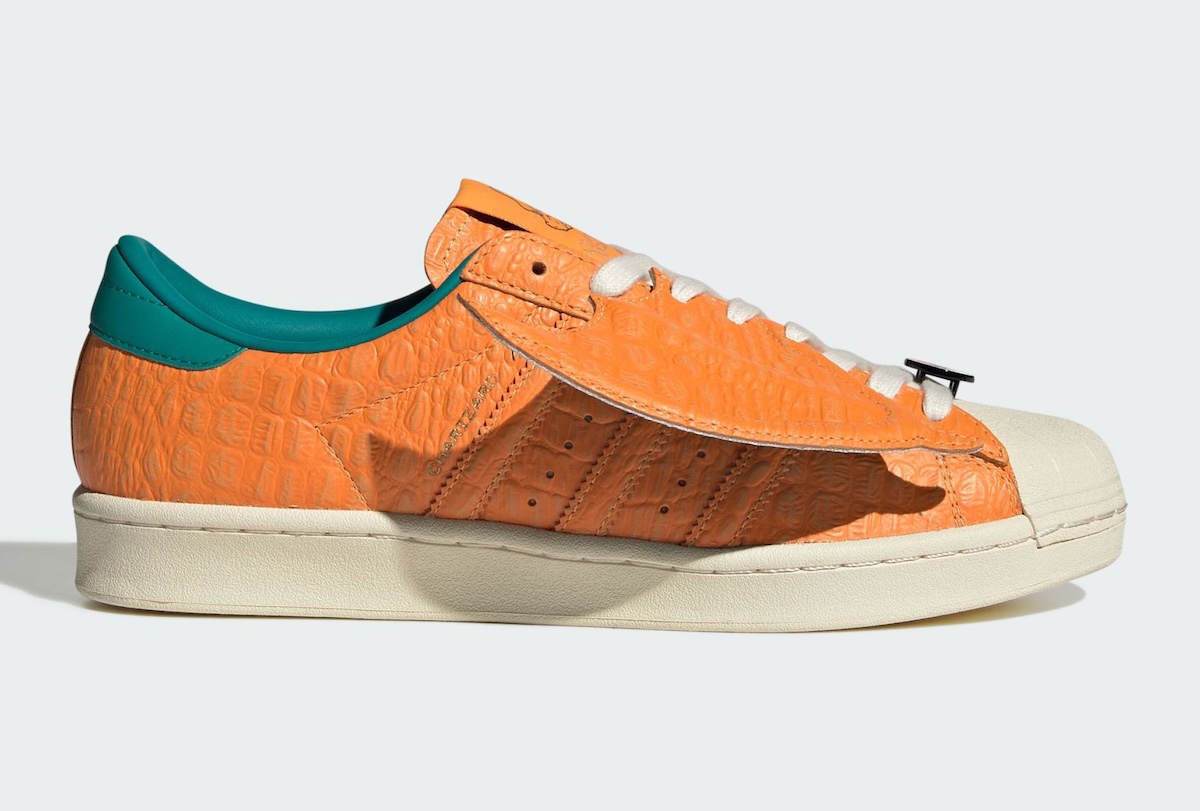

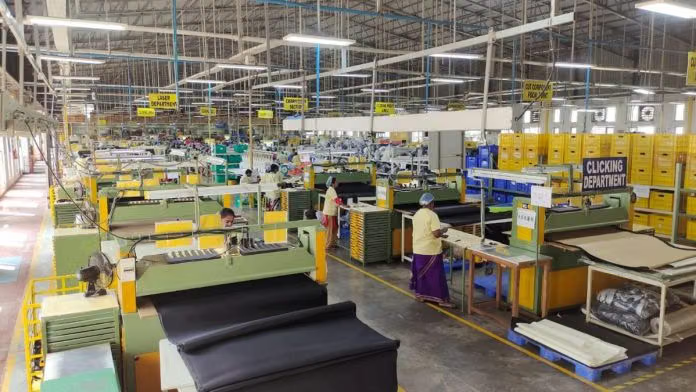
On July 10, Tamil Nadu Chief Minister C. Joseph Vijay laid the foundation stone for a ₹1,700 crore Adidas footwear plant in Karur. One million square feet. Forty million pairs of shoes a year once it's fully commissioned. Roughly 13,500 jobs. And the company building it isn't Adidas — it's a joint venture between a Chennai industrial group and a Taiwanese footwear manufacturer, according to Apparel Resources' coverage of the ground-breaking.
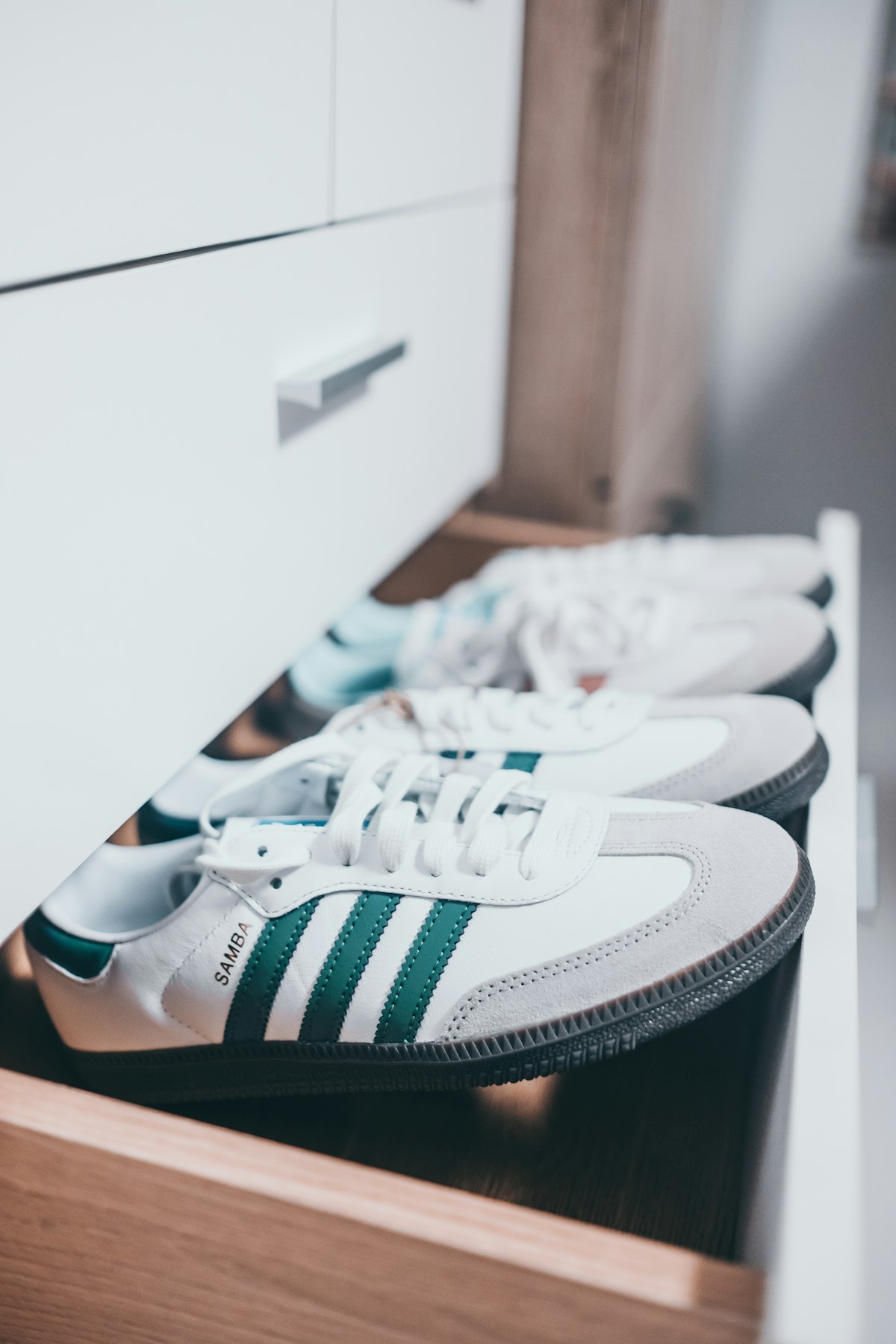
If that sentence sounds like a supply-chain footnote, it isn't. It's the clearest sign yet that your next pair of Adidas Sambas might have "Made in India" stitched into the tongue instead of Vietnam or Indonesia — and understanding why tells you more about where Indian sneaker retail is actually headed over the next three years than another drop calendar ever will.
Why Vietnam Suddenly Looks Expensive
This didn't happen because India got cheap. It happened because Vietnam got expensive. US tariffs now sit at 46 percent on Vietnamese goods broadly — and up to 60 percent on some non-leather footwear categories specifically — against a comparatively lighter 26 percent for India, roughly 36 percent on non-leather footwear once revised rates kick in. Cambodia sits at 49 percent, Bangladesh at 37, Indonesia at 32. India used to carry a 10–12 percent duty before this round of tariffs; even at the new higher rate, it's still the cheapest of the major footwear-exporting nations left standing.
That gap matters enormously to brands with heavy Vietnam exposure. Nike sources roughly half its global footwear from Vietnam. Adidas sources close to 39 percent. When the tariff math shifts that hard, the response isn't a press release — it's a factory. Nike, Adidas and Puma all took double-digit stock hits (10, 11 and 10 percent respectively) when the new tariff structure landed, and "cut production costs" became the only lever left to pull once price hikes alone couldn't absorb the damage.
Labour cost does the rest of the convincing. Estimated hourly wages run around $0.90 in India versus roughly $1.50 in Indonesia, $2 in Vietnam and $3 in China. Stack a lower tariff on top of the lowest labour cost among serious footwear-manufacturing nations, and Tamil Nadu stops looking like a backup plan and starts looking like the obvious next move.
Tamil Nadu Was Already Halfway There
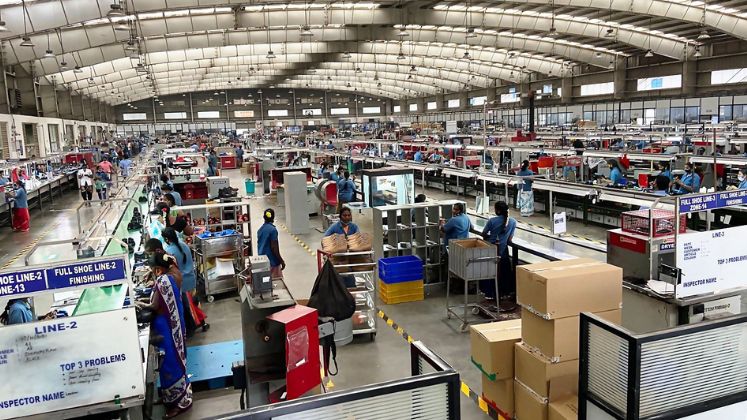
The Karur plant isn't the first move here — it's the biggest one so far in a build-out that's been underway since at least late 2023. Phoenix Kothari Footwear, the joint venture behind Karur, already runs a Perambalur facility with Taiwan's Shoetown Group that's been turning out Crocs at scale, alongside three other Taiwanese giants — Feng Tay, Pou Chen and Hong Fu — running plants across Ambur, Cheyyar and Bargur. Collectively, per The Print's ground report from the region, the state now accounts for 32 percent of India's footwear production and 48 percent of the country's leather and non-leather footwear exports — over $2 billion worth.
The workforce behind those numbers is overwhelmingly female. India has roughly 1.6 million women working in factory floor roles nationally, and 43 percent of them are in Tamil Nadu. Taiwanese manufacturers are reportedly paying ₹13,000–15,000 a month, well above the ₹8,000 local average for comparable work — real wage inflation, even if it's arriving through outsourced manufacturing rather than a homegrown brand's success. The Print's reporting profiles Sultana Parveen, a 28-year-old with nine years on the assembly line, saving her earnings toward gold and a home of her own. That's the actual, human version of what "China plus one" looks like on the ground, not just a line item in a trade report.
What This Actually Means If You Buy Adidas in India
Here's the part worth being honest about: this almost certainly will not make your Adidas cheaper. Karur's first phase completes within six months, with full commissioning stretched over three years, and everything about how these deals get structured points to export markets — the US and EU — as the destination, not Indian retail shelves. Brands price to global positioning, not local production cost, and there's no mechanism here that forces MRP down just because the factory moved closer to the customer. If you were hoping "Made in India" meant a discount, it doesn't work that way.
It's also worth separating what India is actually gaining. Thirteen thousand five hundred jobs and a few billion dollars in export revenue are real and meaningful — Tamil Nadu's ₹12,000 crore-plus recent investment in this ecosystem isn't nothing. But this is contract manufacturing: cutting, stitching, assembling to someone else's design brief. India isn't getting Adidas's product team or its IP. It's getting the factory floor, not the design studio. That's a genuinely different outcome than what homegrown labels like Gully Labs and Comet are building — brands that own the design, the story and the margin, instead of renting out labour to someone else's.
Our Take
Should Indian sneakerheads actually care about a factory ground-breaking? Yes, indirectly. Once Karur hits anywhere near 40 million pairs a year, that kind of domestic capacity has a way of eventually showing up — through factory outlet channels, through faster regional stock rotation, through India simply mattering more in a brand's planning conversations because the manufacturing footprint is now sitting inside the country instead of a plane ride away. None of that is guaranteed. But industry estimates cited in the same reporting suggest India has roughly a three-year window to lock in this shift before the next cheaper option emerges elsewhere — and that clock started ticking on July 10.
Whatever you're buying right now, it's worth knowing where it actually gets made — check the current lineup at SNKRS CART's Adidas section while this story keeps developing.