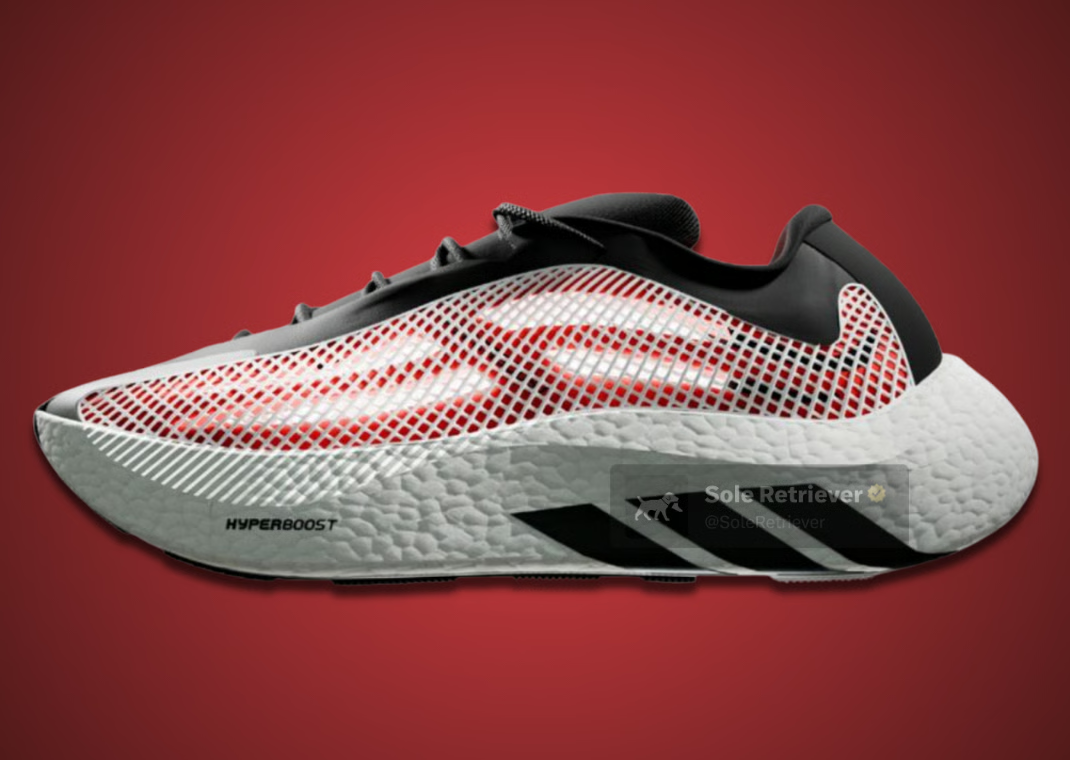
Every major footwear brand has tried to manufacture the next Boost. Nike did it with React in 2017, ZoomX the same year, and is still trying. New Balance had Fresh Foam. Under Armour spent years on HOVR. None of them pulled it off — not because the foam wasn't technically interesting, but because Boost's cultural moment was unrepeatable on demand. Now adidas has revealed the Hyperboost Euphoria, and for the first time since the original, the attempt feels serious enough to watch closely.
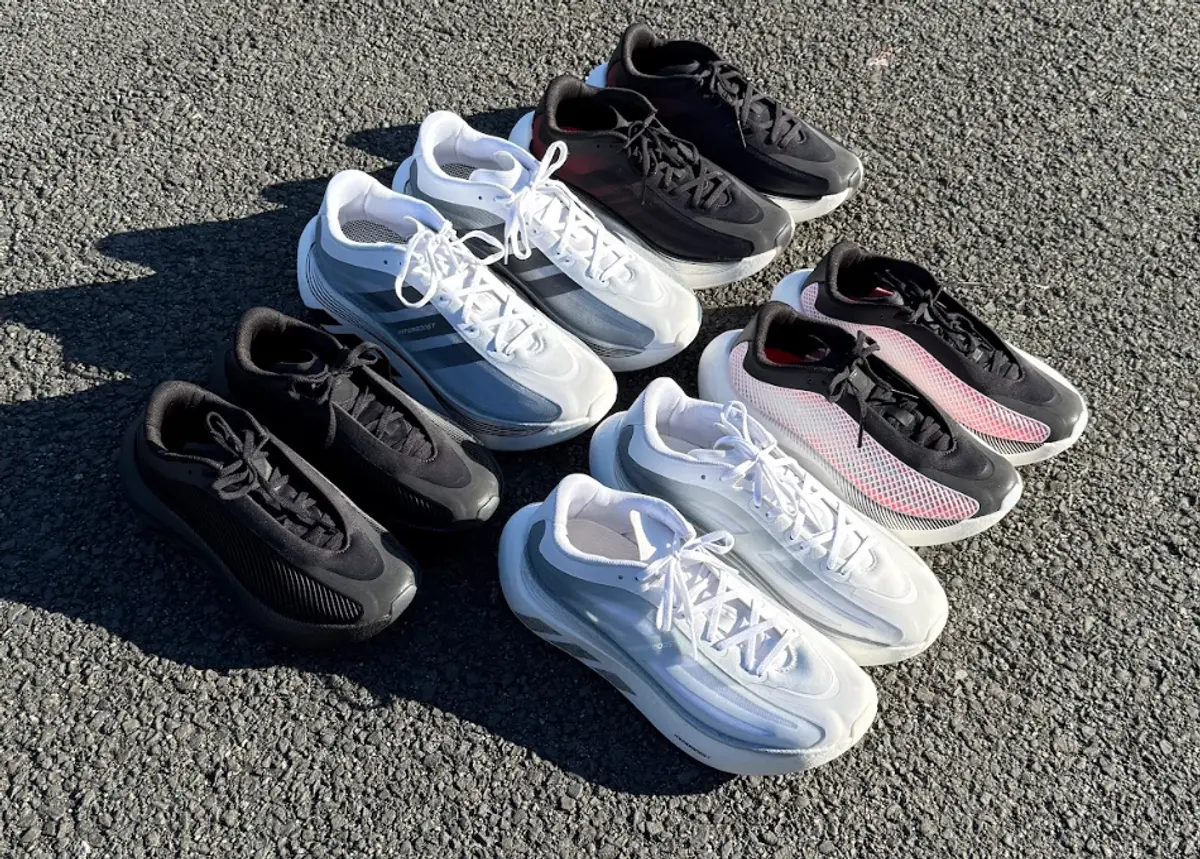
The Hyperboost Euphoria is a lifestyle sneaker built around the new Hyperboost Pro foam midsole, retailing at $170 (approximately ₹14,200) when it launches in Fall/Winter 2026. Four confirmed colourways: White/Blue (LA5974), Black/White (LA6219), Black/Grey (KZ8510), and Black/Brown (LA5996). The foam uses larger bead clusters than classic Boost and removes the stiffening plate that original Boost required for structural integrity — producing a softer, more responsive cushion underfoot, per Sole Retriever's exclusive first look.
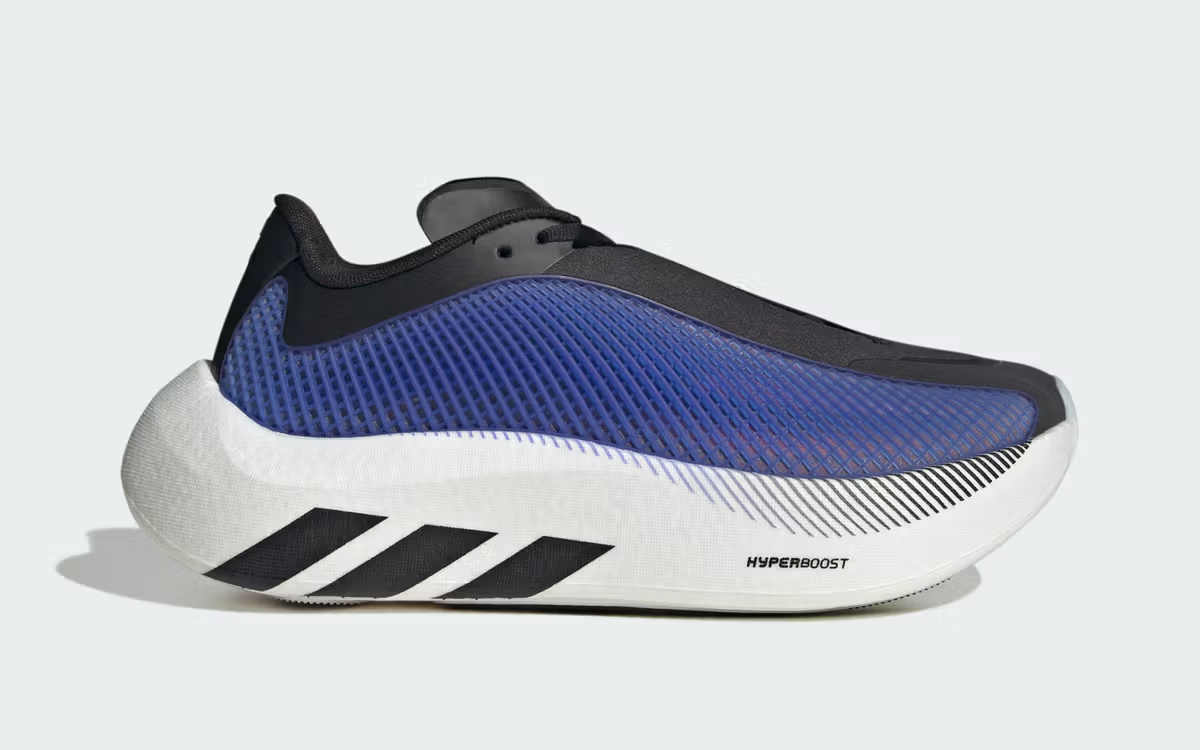
The Case For: adidas Actually Learned From the Original Boost Playbook
Original Boost launched in 2013 as a running shoe and became the most copied cushioning innovation in sneaker history. The NMD, the Ultra Boost, the Yeezy — all built on the same midsole. At peak Boost culture (2015-2018), adidas was printing money. The decay was equally fast: once every brand had a competent foam story, Boost stopped being special. The Ultra Boost went from a $180 status piece to clearance racks within three years.
Hyperboost is a more considered attempt to avoid that cycle. The performance version — the Hyperboost Edge, which Zinedine Zidane debuted in Dubai ahead of its wider retail launch at $200 in July 2026 — establishes the tech credibility first. The Euphoria (lifestyle version) follows the performance story rather than leading it. That sequencing is critical. Boost ran the same playbook: it appeared in the Energy Boost running shoe before it hit the Stan Smith and NMD. adidas knows exactly what worked, and they're running it again.
The cultural seeding is also well-chosen. Rayan Cherki — the 20-year-old French attacking midfielder at Manchester City, arguably the most exciting young footballer in Europe right now — was among the first spotted in the Euphoria, according to Complex's coverage. Tobi Brown from the Sidemen (Tobjizzle) wore it too, hitting a different YouTube-generation demographic simultaneously. This is multi-demographic, football-adjacent, European-rooted seeding — exactly where adidas has authority.
The Case Against: Foam Hype Has a Body Count
Nike React launched in 2017 to genuine technical excitement. Two-year cultural run, then commodity. ZoomX is still technically excellent but never crossed from performance running into lifestyle territory at scale. New Balance Fresh Foam, Under Armour HOVR, Brooks DNA Loft, Hoka PROFLY — every single one of these was launched with a compelling foam narrative. None of them became the next Boost.
The pattern is consistent: foam innovation genuinely interests footwear engineers and perhaps 3% of consumers who care about cushioning technology. The remaining 97% buy on aesthetics and cultural weight, not midsole bead cluster architecture. Boost's success wasn't primarily about how it felt — it was about the silhouettes it enabled (the clean, sock-like Ultra Boost profile) and the moment it arrived in (peak streetwear, peak athleisure, peak Kanye West).
Hyperboost Euphoria arrives at a moment when adidas is rebuilding credibility, not dominating. Nike is weak right now — stock at a 12-year low, revenue down — which creates a genuine opening. But the shoe needs to earn cultural momentum, not just technical respect. The four confirmed colourways are clean and understated. That's promising. But understated alone doesn't generate the kind of panic-buy energy that makes a foam story last.
India Context: Why This Matters Here
Adidas India is a top-10 global market for the brand. When adidas has a strong product story — the Samba wave, the Originals resurgence — India tracks it closely, typically with a 6-12 month lag on initial adoption but then accelerating fast. The Hyperboost Euphoria won't hit India retail simultaneously with the global Fall launch, but adidas India will push it hard when it does. This is the kind of product their retail pitch gets built around.
At $170 / ₹14,200, this sits in the same bracket as a general release Nike Dunk or New Balance 990v4. If the Hyperboost Pro foam delivers on cushioning and the shoe holds up on hard surfaces and in heat, it's a fair ask. The prudent move for India buyers is to wait for first-wear reviews from the global Fall launch — specifically from buyers in hot, hard-surface environments who can report on long-term foam performance. The tech story is promising, but foam stories always sound promising on paper.
Our Verdict: The Most Credible Boost Attempt Since the Original
The Hyperboost Euphoria is genuinely the best attempt to repeat the Boost moment since adidas did it the first time. The tech-first-then-lifestyle sequencing is correct. The cultural seeding is intelligent. The silhouette is clean and versatile across all four colourways. These are the right pieces in the right order.
But the foam hype cycle has a terrible track record, and adidas cannot manufacture cultural gravity the way they could in 2013. The Samba revival worked because it happened organically before adidas pushed it; Hyperboost is being engineered top-down. Watch the fall launch closely — if the early reaction in Europe and the US is strong, move fast. If it lands quietly, you'll have months to choose at leisure. Either way, this is worth tracking.
Browse adidas on SNKRS CART for what's available now. And to understand how adidas built their last great lifestyle product story from scratch — the one that actually worked — our Samba history deep dive shows exactly what a genuine cultural revival looks like, and how long and unpredictably it takes to build.