Deepinder Goyal built Zomato into a ₹2 lakh crore company by betting on India's appetite before most investors took it seriously. So when he put ₹8.7 crore seed funding into Gully Labs — a sneaker brand from Noida, founded in 2023, run by two guys who felt Indian streetwear culture had been made invisible by global brands — people paid attention. That kind of validation doesn't happen unless someone credible believes the timing is right.
The timing, it turns out, is very right. India's sneaker market was valued at $3.88 billion in FY2024, according to data published by EQMint. It's projected to hit $6 billion by FY2032. More importantly, India is now the second-largest hub of D2C sneaker startups globally — 21 brands, behind only the US. That's not a trend story anymore. That's a category.
What Gully Labs Is Actually Building
Gully Labs co-founder quoted in Entrepreneur India: "India felt invisible in global sneaker culture." That's the brand thesis in one sentence, and it's genuinely true. When Nike does a "Made for India" campaign it means they slap a tricolour patch on an Air Force 1 and call it cultural relevance. It isn't.
Gully Labs is doing something different — designing from an explicitly Indian reference frame, not applying Indian motifs to Western silhouettes. Whether they've fully cracked that balance yet is a legitimate question. The brand is two years old. But Goyal's investment signals that the cultural storytelling is credible enough to underpin a real business, not just an Instagram brand with a waiting list.
Comet Is Already Making Real Money
While Gully Labs has the most interesting story right now, Comet is the one with the most impressive business metrics. Founded in 2023, the brand has raised over ₹54 crore in total funding and is reporting ₹5 crore in monthly revenue — numbers that put it well ahead of most Indian D2C footwear companies at the same age, per reporting from Business Standard.
Comet's approach: in-house manufacturing, limited drops, and a controlled scarcity model borrowed directly from Jordan Brand's playbook. Whether that scales sustainably is still to be seen. But ₹5 crore a month from a brand most people outside Mumbai and Bengaluru haven't heard of is a legitimate signal that the model works at this stage.
The Other Names Worth Knowing
ARKS is backed by Ranbir Kapoor — which gives it a very different kind of credibility, the celebrity-stamp variety that moves units in India faster than any amount of authentic cultural positioning. ARKS plays more in the premium lifestyle space, which means it's competing with New Balance and On Running for the well-heeled Bandra and Koramangala buyer, not with Nike for the Jordan 4 crowd. That's a real market. Just a different one.
Thaely deserves a mention for a completely different reason: sustainable construction from upcycled plastic waste, which puts it in a conversation that Nike and Adidas have tried — and largely failed — to have credibly. If sustainability ever becomes a real purchase driver for Indian buyers (it hasn't yet at scale, but the demographics are shifting), Thaely is five years ahead.
The Price Point That Changes the Math
All these brands are converging on the ₹4,000–6,000 price band. That's the zone Nike and Adidas have largely abandoned in favour of premium positioning — the entry-level offerings from both brands in that range are low-quality forgettables. It's the exact gap that a quality homegrown brand can own, especially in tier-2 cities where the appetite for sneaker culture is growing fast (search trends show New Balance up 48%, On Running up 42%, Jordan up 22% year-on-year in India) but the ability to spend ₹12,000 on a single pair isn't there yet.
Our Take
The honest answer is most Indian sneaker brands still look better on a pitch deck than on a foot. But 2026 feels different. When Deepinder Goyal writes a cheque, he's done the diligence. When Comet is doing ₹5 crore a month, someone's buying. The infrastructure — authentic resale via Crepdog Crew, growing streetwear retail at VegNonVeg and Superkicks, an increasingly confident Indian sneakerhead community — exists in a way it didn't five years ago. The question isn't whether Indian brands can compete. It's how long Nike and Adidas will take to notice and respond properly.
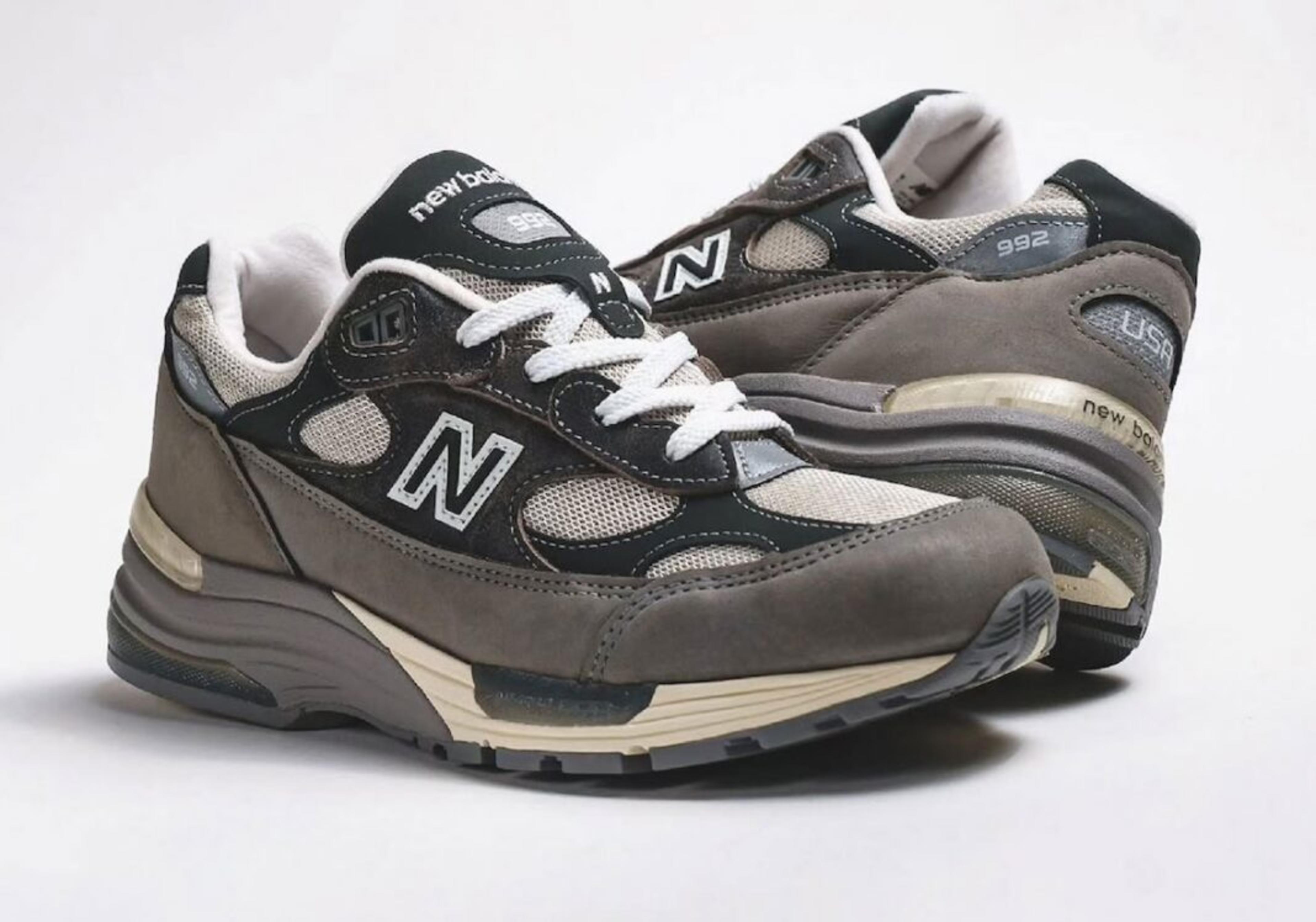
We'll be stocking our shelves with the global brands for now — explore New Balance India and Adidas — but the Indian brand story is one to watch closely. On that, also read: why New Balance has quietly become India's fastest growing imported sneaker brand.