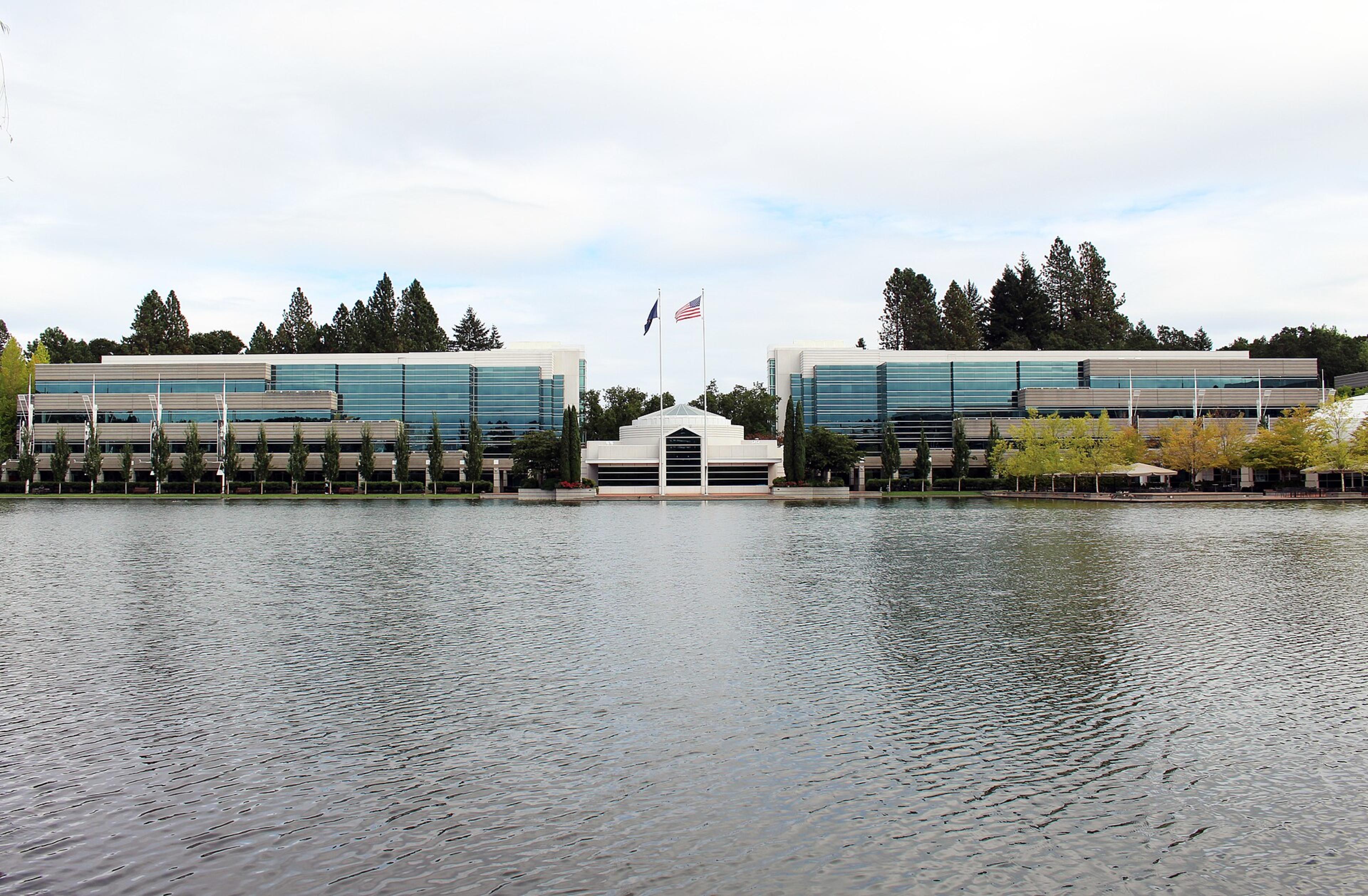
Beaverton, Oregon. Tuesday, 17 November 2026, 8:30 in the morning. Nike Investor Day 2026, the company's first in about nine years, opened at the Philip H. Knight Campus, and Elliott Hill arrived with a plan that had a name: "Full Stride Ahead". He needed one. Since Hill came back to run Nike in October 2024, the shares have lost more than half their value, Reuters reported on the day.
"NIKE is at its best when we start with the athlete and bring the full power of the Company together around sport," Hill said in the company's official release. Nice line. The numbers underneath it are more sobering, and a few of them land directly on what you pay for Nikes and Jordans in India.
The Numbers: Two More Down Years, Then a Climb
Nike reaffirmed its guidance for fiscal 2027, the year that ends in May 2027: revenue down in the high single digits, an adjusted operating margin of about 6%, and adjusted earnings of $1.15 to $1.35 a share. LSEG's estimate, cited by Reuters, has revenue falling about 7.7% to $42.84 billion. Declines are meant to ease in fiscal 2028. Growth in line with the market comes back in fiscal 2029.
The real target sits further out, in fiscal 2031. By then Nike wants about $5 billion more revenue than in fiscal 2027. Margins of 12% to 14%. Adjusted earnings of $3.00 to $3.50 a share. Helping pay for it is Pace, a cost programme meant to save about $2.5 billion a year by 2031, at roughly $1.3 billion in pre-tax charges, severance included. Shareholders, meanwhile, get about $12 billion in dividends over the five years.
Reuters had the shares up about 2% in early trading. Emarketer analyst Zak Stambor told Reuters the timeline suggests management "understands there's no quick fix". A few days earlier, Stifel's Peter McGoldrick told Footwear News: "We expect Nike's investor day to reset the financial outlook around achievable assumptions." That is what happened. A reset, not a rally.
Where Nike Thinks the Money Is
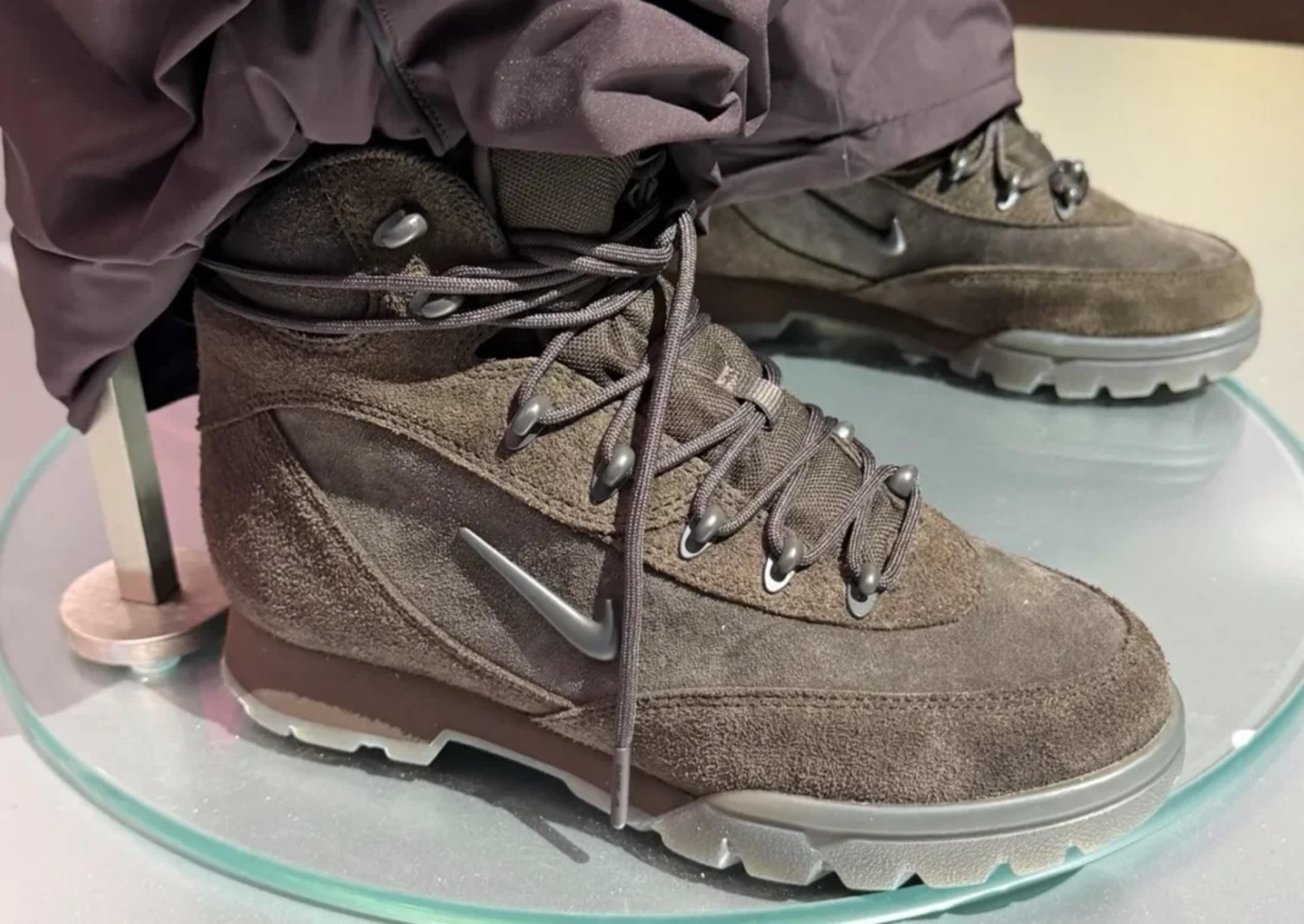
Of the $5 billion, about $4 billion is supposed to come from five Performance Sports: running, training, global football, basketball and outdoor. Only about $1 billion comes from Sportswear, which Nike now defines as Nike Sportswear, Jordan and Converse. More than 90% of the growth is meant to come from those categories and 23 priority countries.
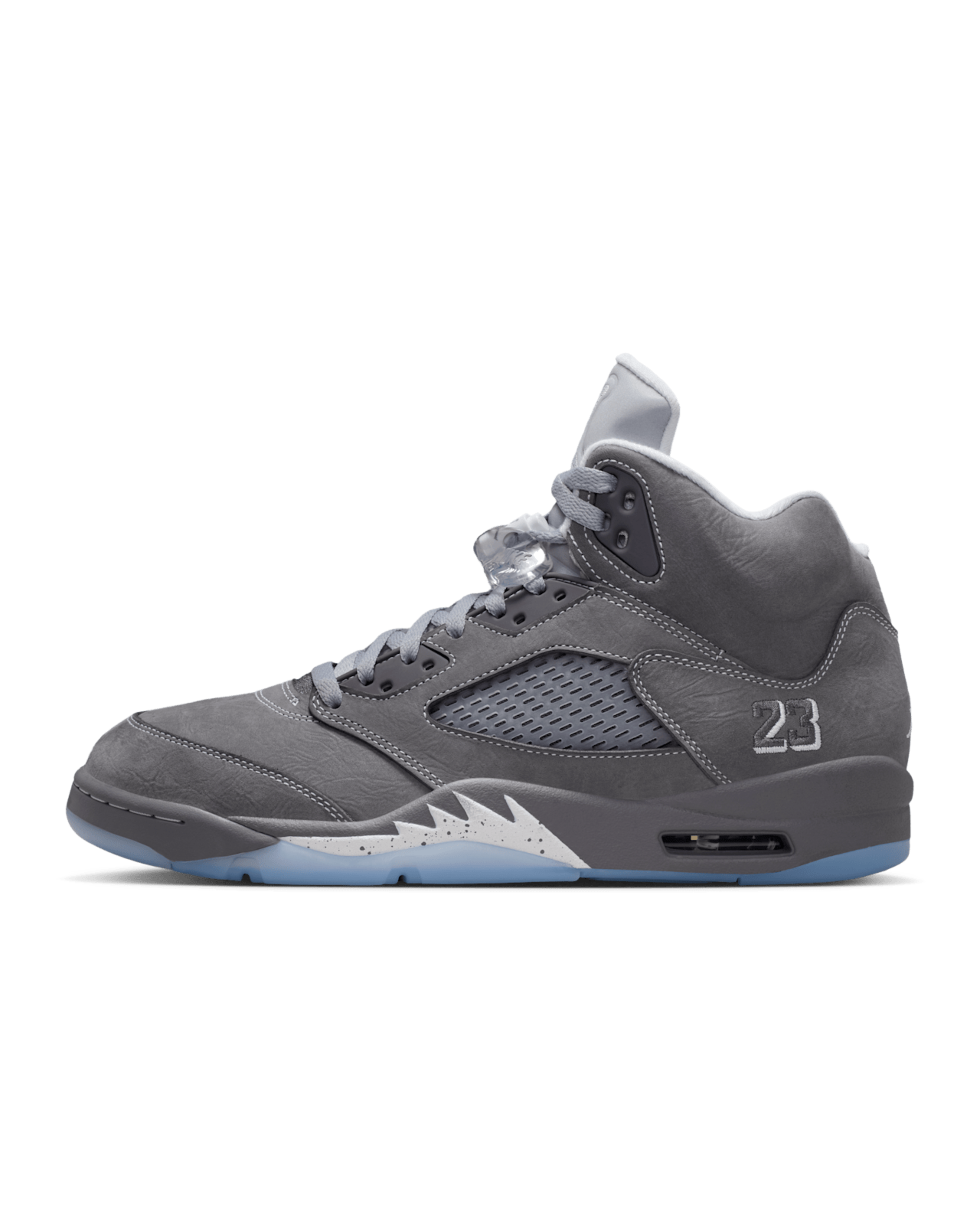
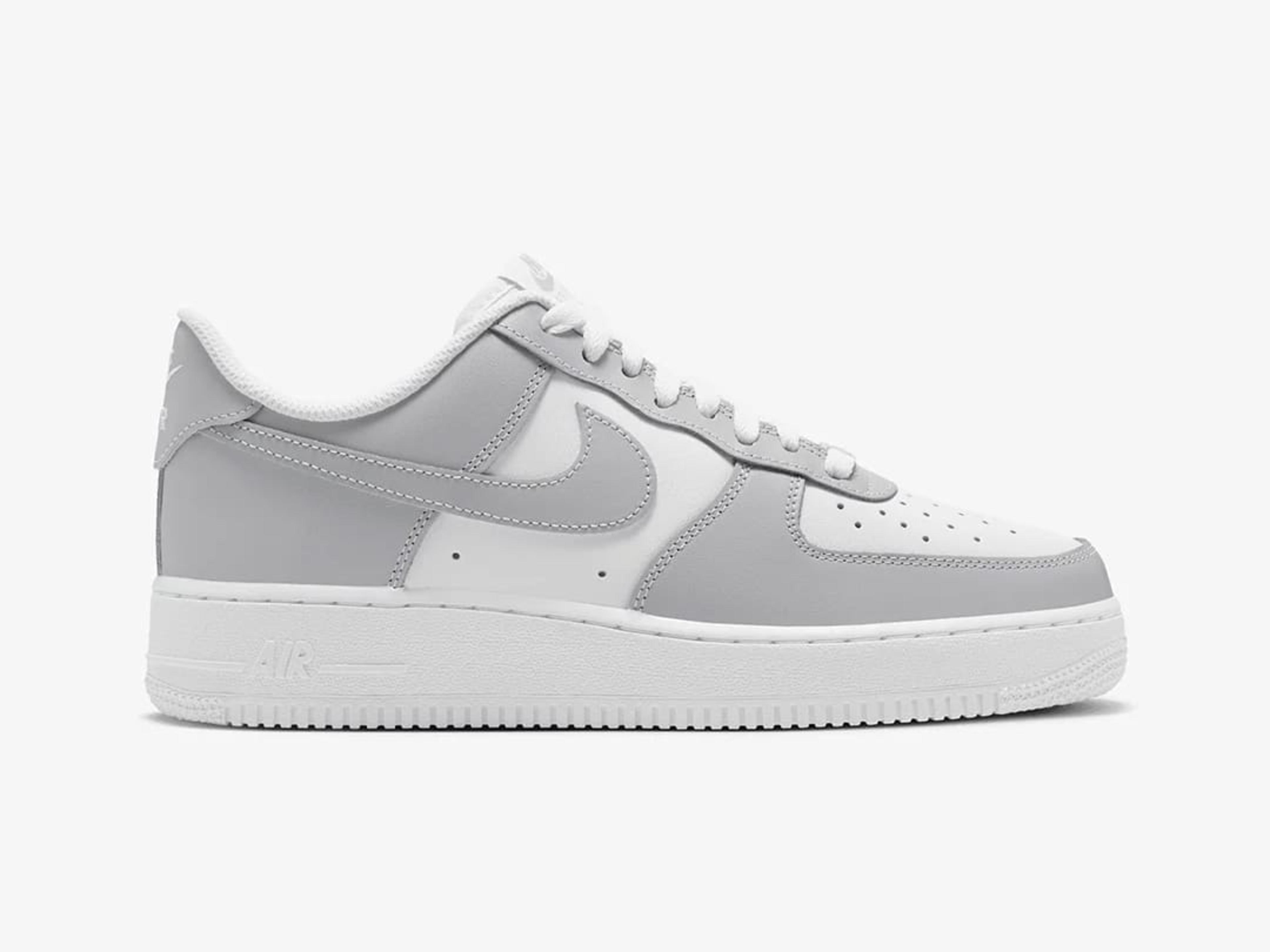
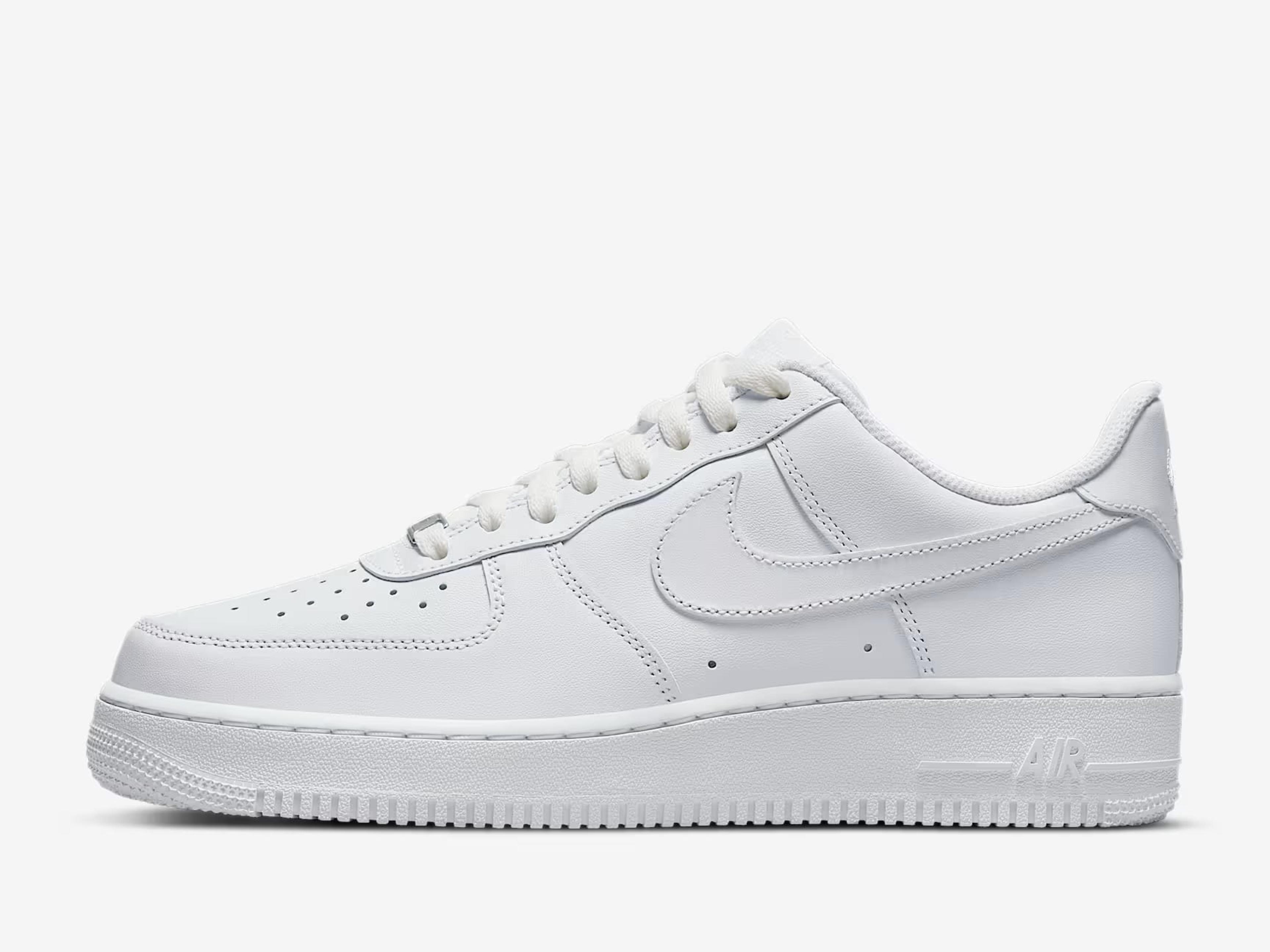
Look at that split again. Dunks, Air Force 1s, Jordan retros: the shoes that built sneaker culture in Indian malls get asked for a fifth of the growth. Nike gives Jordan one line in the release. It will "restore its premium positioning and marketplace health". Translation? Fewer pairs. Fewer of them in the sale bin.
None of this came out of nowhere. On the first-quarter call in October, Hill said of Jordan retros, "we have been oversupplying the product", and Sole Retriever reported that releases will be scaled back in 2027. We worked through what that does to Indian prices in our retro supply piece. Tuesday's plan puts that decision inside a five-year strategy.
India Was Not on the Slide
Nike did not name its 23 priority countries in the release, and India does not appear in it. The Reuters report did not mention India either. If you were hoping to hear "India" next to "growth market" on stage, it did not happen in anything published so far.
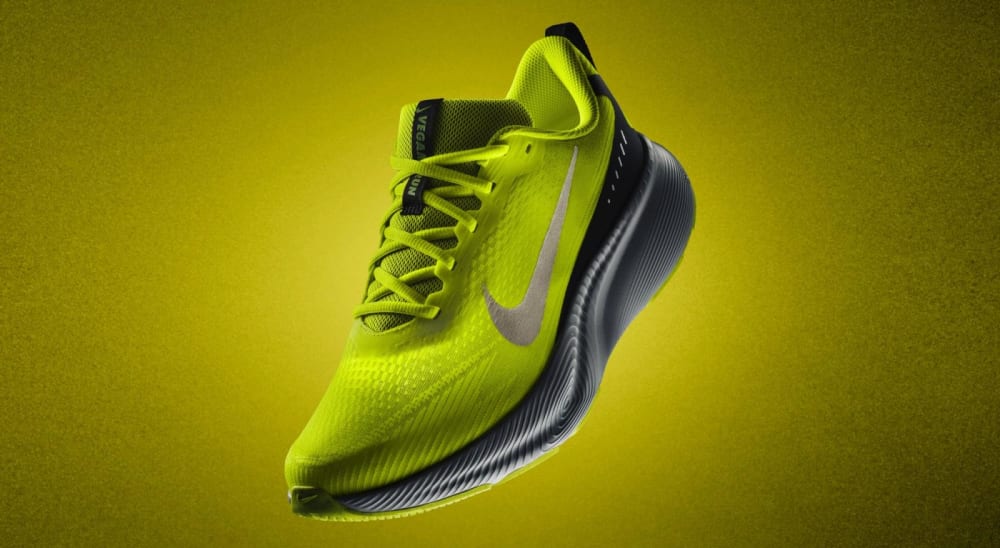
That does not mean India is off the map. The plan's middle pillar is called CONNECTED, which Nike describes as deepening local relevance, and Nike's most interesting recent move here fits it exactly. On 1 November it launched the Vegam Run, a running shoe built for India with input from runners across the country, at ₹3,795 on Flipkart and select retailers, according to House of Heat and Esquire India. Nike says it took about five months to develop, Finimize reported, and wider distribution through Nike's partners here is planned for spring 2027. Add the Bengaluru campus Nike announced in October, which we unpacked here, and you can see the outline of an India plan, even if nobody said it out loud on Tuesday.
What It Means at the Checkout
Three things, in order of how much they will touch your wallet.
First, running is where Nike will spend. It sits at the top of the Performance Sports list, and a ₹3,795 shoe tells you Nike has worked out that India's running boom is a volume market, not a carbon-plate market. Expect more launches at Indian price points. Good news for first-time runners who were never going to pay race-shoe money, the crowd we wrote about in our India marathon boom piece.
Second, Jordan retros get tighter, not cheaper. Right now an Air Jordan 4 Retro sits at ₹13,647 on VegNonVeg against a ₹19,495 MRP, a 30% cut. That kind of markdown is exactly what "marketplace health" is designed to make rare. If you have been waiting for the end-of-season sale on a Jordan you actually want, the next two years are the wrong time to keep waiting. The Air Jordan 4 "Bred" on Black Friday is a good test case, and we ran its India numbers here.
Third, the cost cuts are real. Pace's $1.3 billion in charges includes severance. Nike's order of operations is save first, grow later, and our earlier piece on what Nike's layoffs meant for SNKRS in India shows how that feels from this side of the app.
Our Verdict
An honest plan, not an exciting one. Nike is telling the market it needs two more years to stop shrinking, and that most of the growth after that comes from running shoes and football boots, not from the lifestyle pairs that sell out on SNKRS. We think that is the right call for Nike. For a sneakerhead it is a mixed bag.
Our take for Indian buyers: lifestyle Nike is about to get scarcer and more full-price, so buy the retro you actually want at launch instead of betting on a sale. And watch Nike's running line here closely. If the Vegam Run is what CONNECTED looks like in India, the best-value Nikes of the next five years may be the ones built for Indian roads, not the ones flown in from American shelves.
"Full Stride Ahead" is a funny name for a plan that walks for two more years. Still, walking beats the stumble of the last two. Browse what is in stock now on our Nike page.
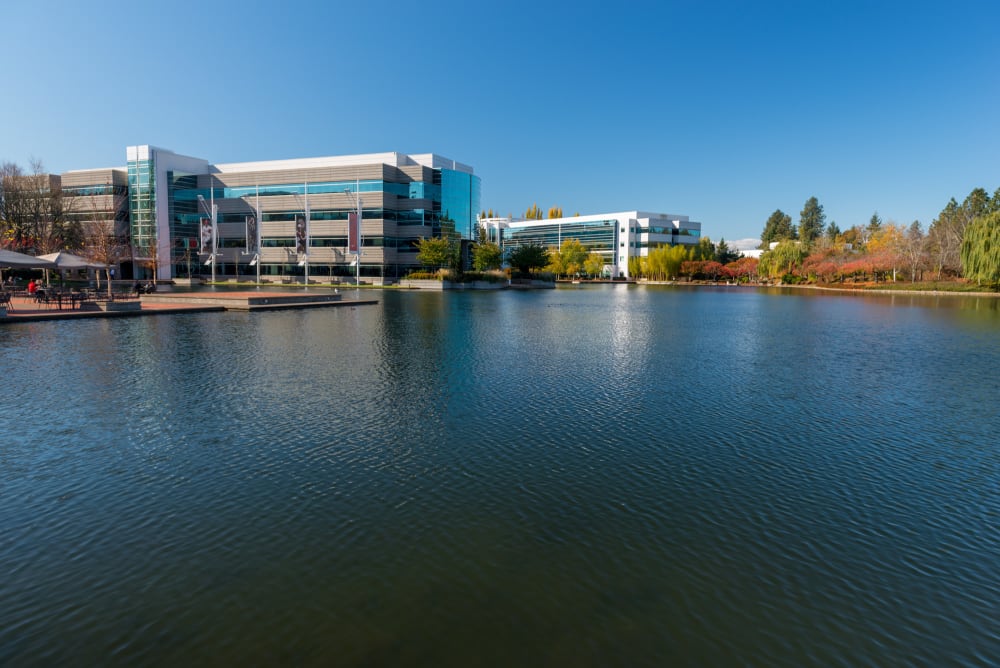
Photos: Nike World Headquarters by Coolcaesar (CC BY-SA 4.0) and the Nike campus by Gary Halvorson, Oregon State Archives (CC BY 4.0), via Wikimedia Commons.