"We are establishing a new Nike campus in Bengaluru, India." That line sat in the middle of a long letter Nike published on 1 October 2026, the same day it reported a 4 percent drop in quarterly revenue and announced a restructuring that will cut roles across the company. Most Indian coverage ran the Bengaluru line as good news and moved on.
It deserves a harder look. A Nike campus in India sounds like Nike finally taking this market seriously. Read the full Nike announcement next to the first quarter results, though, and a different picture shows up. So here is the question, argued both ways: does a Bengaluru campus change anything for people in India who actually buy sneakers?
What Nike Actually Announced
Nike kept the details thin, on purpose. Here is all of it. Full-time staff will work "across Nike, Jordan Brand and Converse". People Nike already employs in India "will move in phases". The campus "will grow over the next several years". And India, in Nike's words, is "an important growth market and manufacturing hub" with "strong capabilities and access to talent".
What it did not say matters just as much. No address, no investment figure, no headcount. Apparel Resources reports the location will be named in calendar 2027, with staff moving in from fiscal 2028, which for Nike starts in June 2027. The same report carries chief operating officer Venky Alagirisamy saying Bengaluru "will have an increasingly important role in Nike's future". According to SightsIn Plus, Nike already has Bengaluru teams in technology and supply chain, and its current job listings there are for tech and capacity management roles.
The Case That It Matters
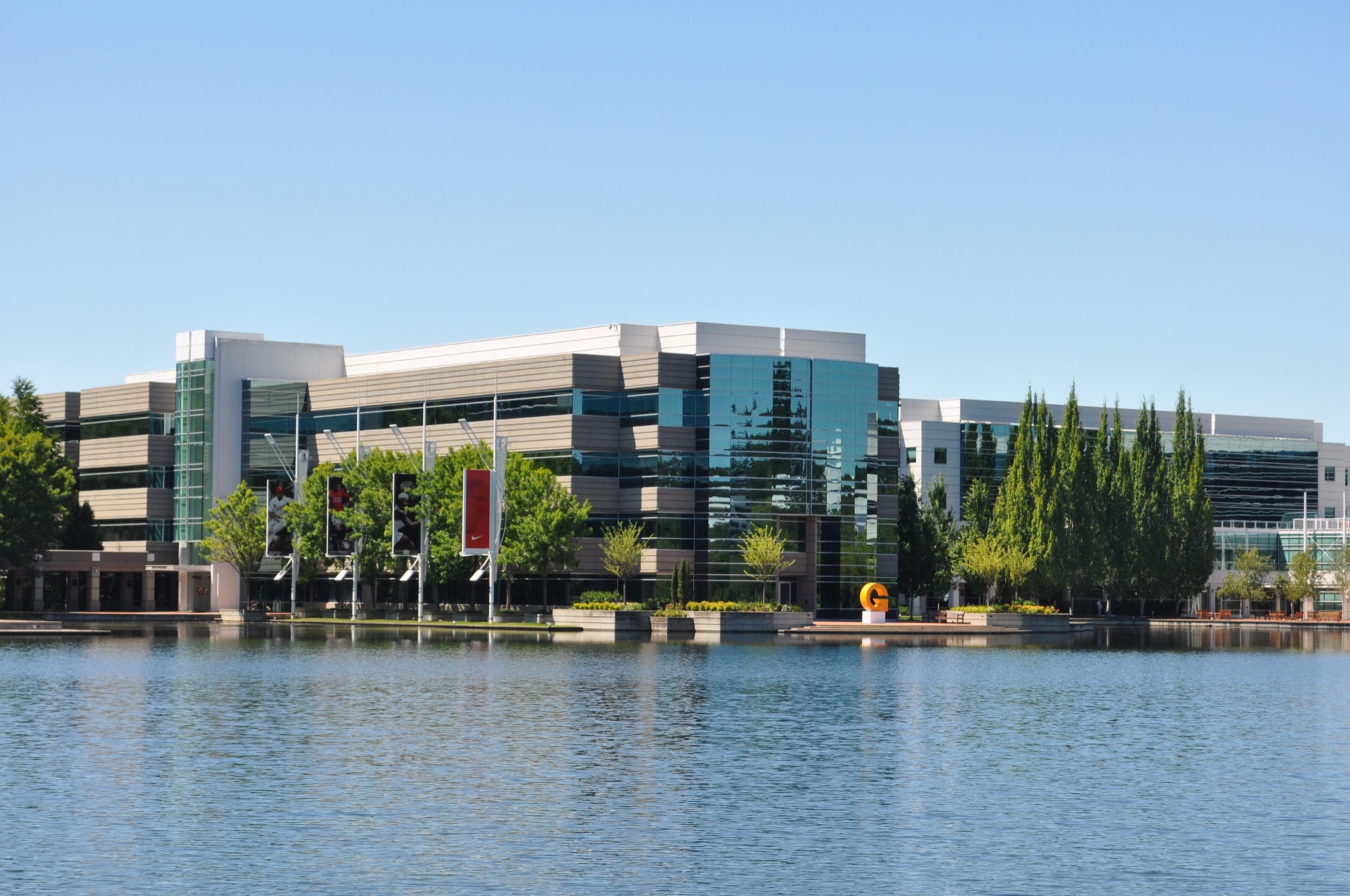
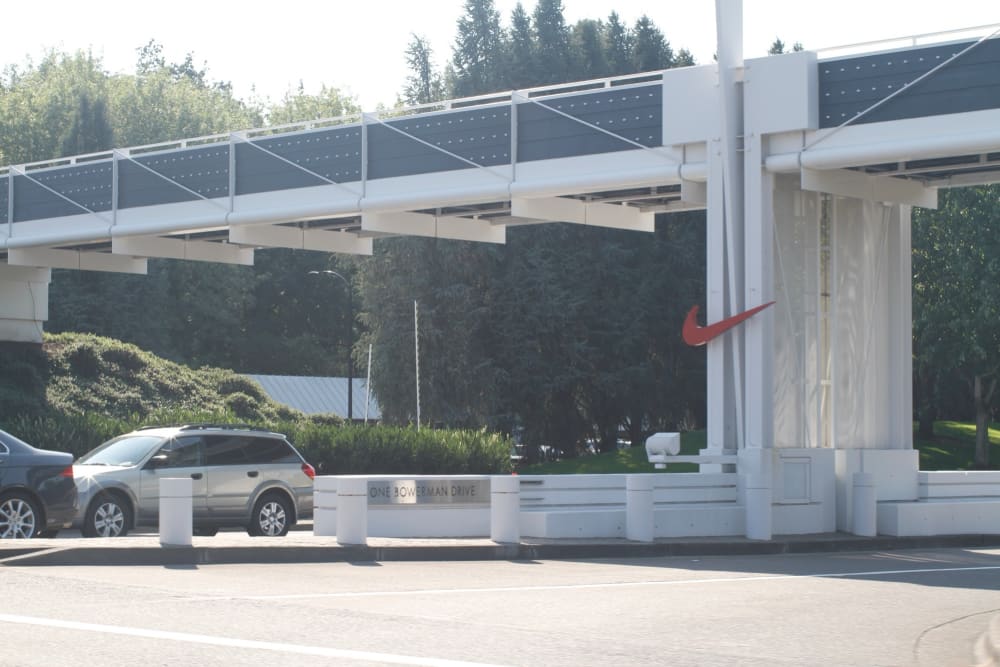
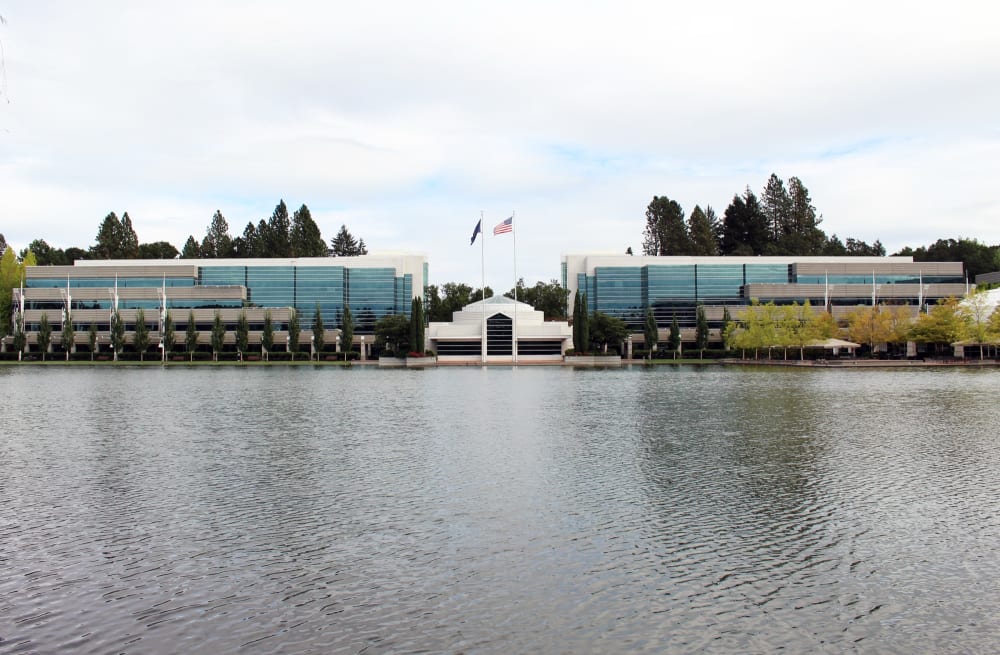
Start with the obvious. Nike does not build campuses casually. Apparel Resources lists its major ones as Beaverton, where the photo above was taken, New York and Shanghai. Adding Bengaluru to that list puts India inside the company in a way a distributor deal never could.
The Jordan and Converse mention is the interesting part. These teams will not only answer emails for Oregon. They will support work across all three brands, and over time that means more people inside Nike who live in this market, sweat through its summers and know what a size run in Indian stores looks like. That kind of presence tends to leak into decisions slowly. Sizing, stock allocation, which colourways get sent here at all.
There is a manufacturing thread too. Nike called India a manufacturing hub in the same breath, and supply chain is already one of the functions its Bengaluru people handle.
The Case That It Doesn't, Yet
Now put the numbers beside it. The first quarter of fiscal 2027 ended on 31 August. Revenue: $11.2 billion, down 4 percent. Converse had a rough one, down 28 percent to $263 million. On the same day Nike introduced Pace, a programme chasing roughly $2.5 billion in cumulative savings through fiscal 2031, at a cost of about $1.0 billion in pre-tax charges, mostly employee related. Where does Bengaluru show up in the results release? Under Pace, "to fuel its enterprise capabilities".
Enterprise capabilities. Strip the jargon and it means tech, planning and operations, the engine room rather than the shop floor. Same letter, a few paragraphs on: Nike "will require fewer roles over time". Decisions on which roles go start in calendar 2027.
Then look at the map. Asia Pacific and Greater China are being folded into one geography, APGC, run by a leadership team in Singapore. India sits in Asia Pacific. Put simply, what Indian stores get to stock looks likely to be decided in Singapore. Not Bengaluru.
What Indian Buyers Deal With Today
Meanwhile, the day-to-day experience has gone the other way. Since February 2026, Nykaa has run Nike.com operations in India, and Nike's own help page says SNKRS Web "will not be offered going forward". We covered what that meant in our Nike India and Nykaa piece and in what the SNKRS layoffs mean here. Add the Jordan retro supply cut planned for 2027, and Indian sneakerheads are getting fewer direct routes to hyped pairs, not more.
That is the gap worth naming. Nike is hiring engineers in Bengaluru while a buyer in Bengaluru cannot enter a SNKRS draw from the website.
What to Watch in 2027
Three things will settle this argument. First, the address. Nike has promised to name the site in calendar 2027, and a campus in a tech corridor says something different from one next to a logistics hub. Second, the job titles. If Bengaluru listings stay in technology and capacity management, it is a back office with a Swoosh on the gate. If design, merchandising or Jordan Brand roles start appearing, the story changes. Third, the cuts. Role decisions begin in 2027 as well, and nobody outside Nike knows yet how many land in India.
Our Read
Honestly, the campus is a talent and cost decision first. Bengaluru is where global companies go when they want skilled tech and operations staff at scale, and Nike is doing the same thing while trimming roles elsewhere. Anyone expecting India-exclusive colourways or better launch access because of it will be disappointed for a while.
Long term, I am more hopeful than that sounds. A full campus of Nike staff in one Indian city means a lot of people inside the company who know why a UK 9 sells out first here and why monsoon season kills suede. That voice did not exist before. It just will not reach a shoe box before 2028 at the earliest.
Until then, buying in India still means picking authentic stock where you can find it. Our Nike pairs and Jordan shelf ship across India with prices in rupees and no import maths.
Photos: Nike headquarters, Beaverton, by Brandon Carson and by Parker Knight (CC BY 2.0), and by Coolcaesar (CC BY-SA 4.0), via Wikimedia Commons.