
India's marathon economy has gone from a niche hobby to a ₹600 crore-a-year sponsorship business in under two decades, and three brands are fighting hardest for the feet crossing those finish lines: Nike, adidas and Asics. New Balance is circling from a distance. The real question isn't who has the best running shoe on paper. It's who actually understands what an Indian runner needs, at a price an Indian runner will pay.
Start with the numbers, because they explain why every one of these brands suddenly cares. India's running gear market was worth $2.4 billion in 2024 and is projected to almost double to $4.8 billion by 2033, according to LocalSamosa's reporting on the country's marathon economy. The Tata Mumbai Marathon went from 22,000 runners at its 2004 founding to 65,000 in January 2026. The Vedanta Delhi Half Marathon crossed 40,000. Hyderabad's NMDC Marathon pulled 28,300 runners in 2025, up from just 1,250 in 2011. India now hosts more than 1,500 organised running events a year, and Strava logged a 59% year-on-year jump in running club activity — one of the fastest growth rates anywhere in the world.
The scale isn't just about finishers crossing a line. The 2026 Tata Mumbai Marathon alone generated an estimated ₹530 crore in socio-economic impact for the city, and marathon sponsorships nationwide reached ₹600 crore in 2024, roughly 15% of India's entire sports business. Layer in India's broader sports apparel market growing at more than 16% CAGR and running footwear volumes projected to hit 17.7 million pairs by 2030, and it's obvious why Nike, adidas and Asics all suddenly have India-specific running strategies instead of treating the country as an afterthought to their US and European lineups.
The Case for Nike
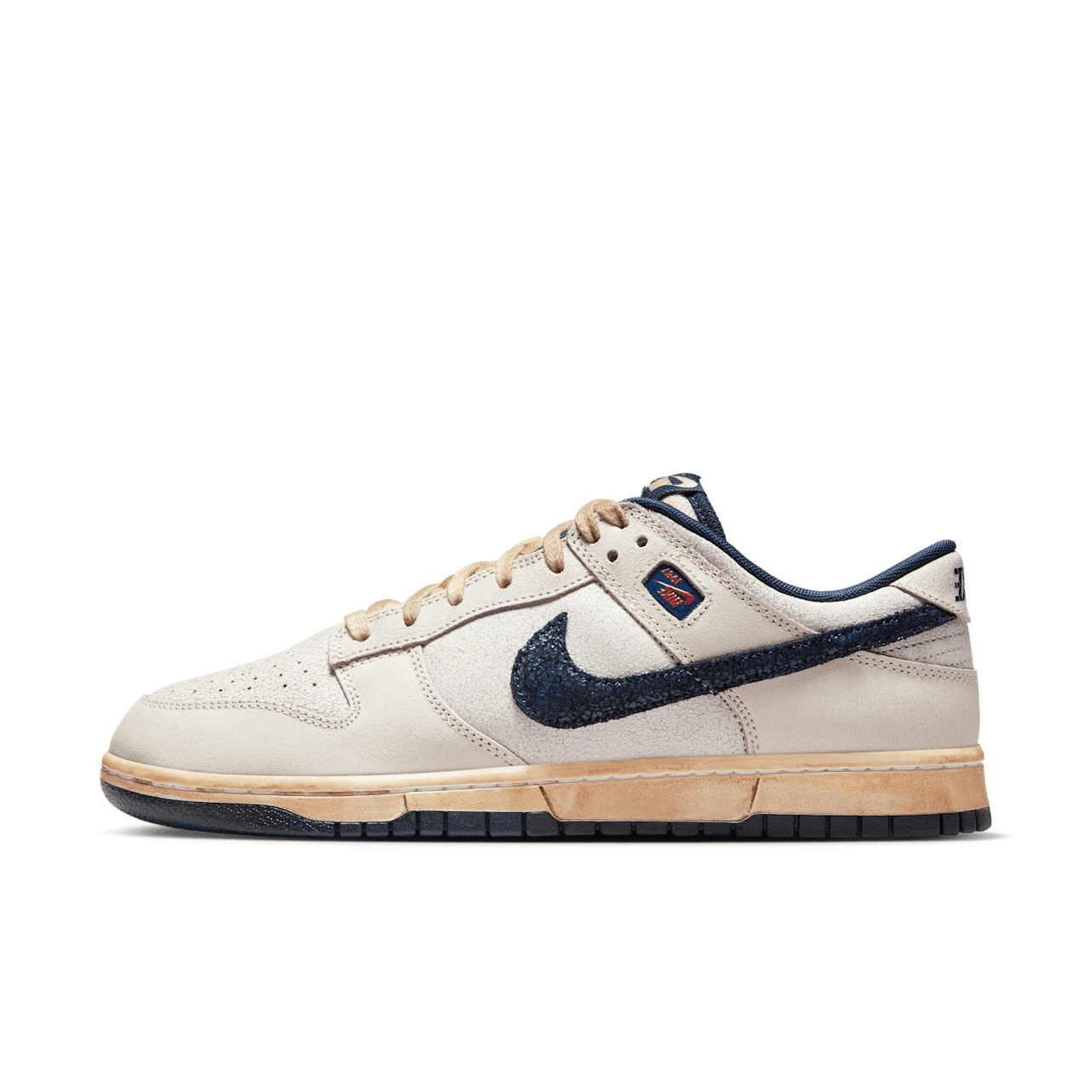
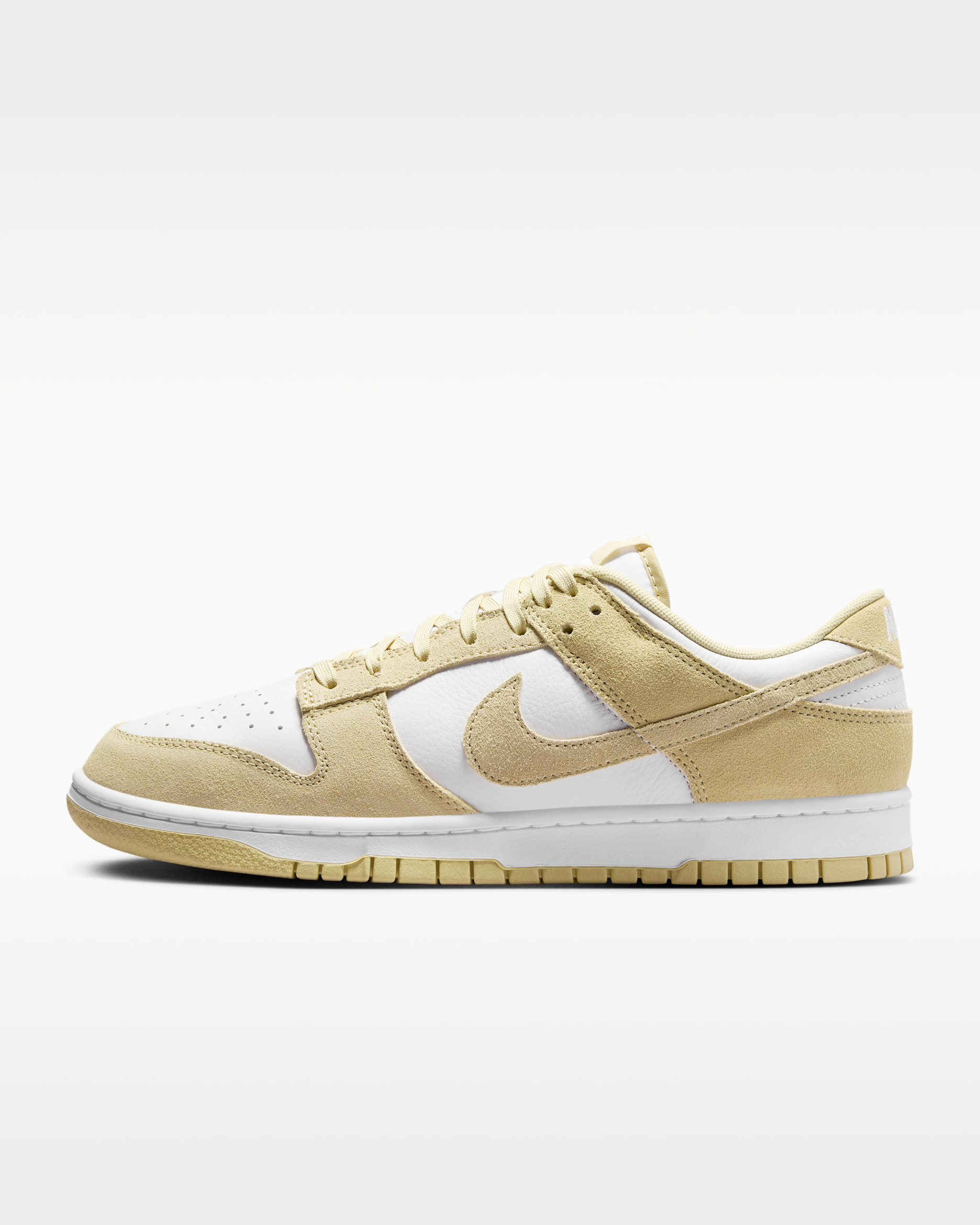
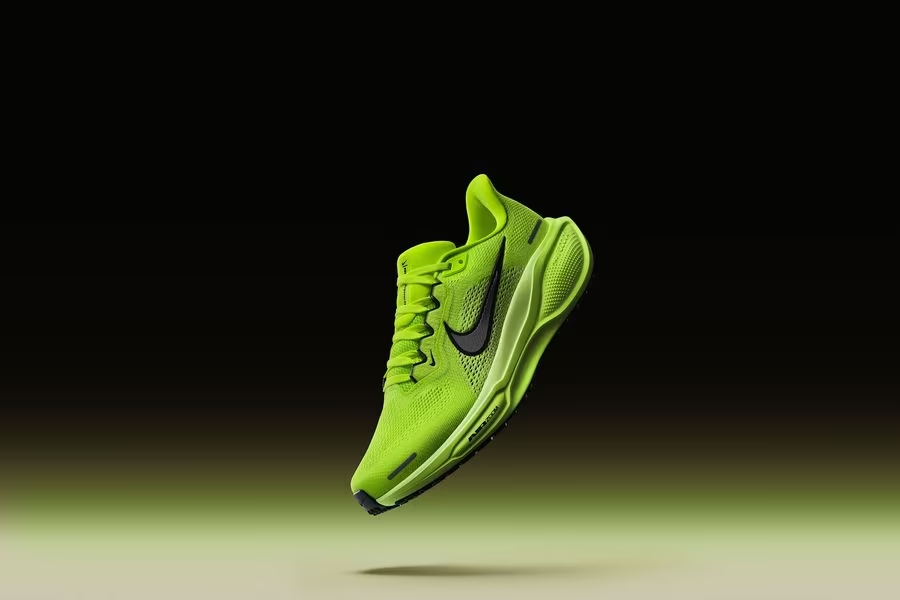
Nike still owns the top of mind. The Pegasus line remains the shoe most first-time marathoners are told to buy, and the brand's retail footprint — SNKRS, Nike.com, and a wall of shelf space in every multi-brand sports store from Bangalore to Chandigarh — means availability was never Nike's problem. The Pegasus 41's ReactX foam genuinely improved on the React-era models it replaced, and at around ₹10,500 per Hustle Culture's India pricing roundup, it undercuts most of its Asics and adidas equivalents. The problem is that "the shoe everyone's coach recommends" is a different position than "the shoe serious runners actually choose," and on that second metric, Nike has been losing ground.
The Case for adidas
adidas plays a different game. It wins on the mid-to-premium tempo and race-day shoes, not the daily trainer. The Adizero Evo SL sits around ₹13,570 and the Adizero Boston 12 covers a similar lane near ₹13,000, both aimed at runners who've graduated past their first 10K and want a shoe that can double as a tempo-day trainer. Where adidas struggles in India is the same place it always has: distribution depth outside metro flagship stores. A runner in Coimbatore or Nagpur has a much easier time finding a Pegasus than a Boston 12.
The Case for Asics — and Why It's the Real Story
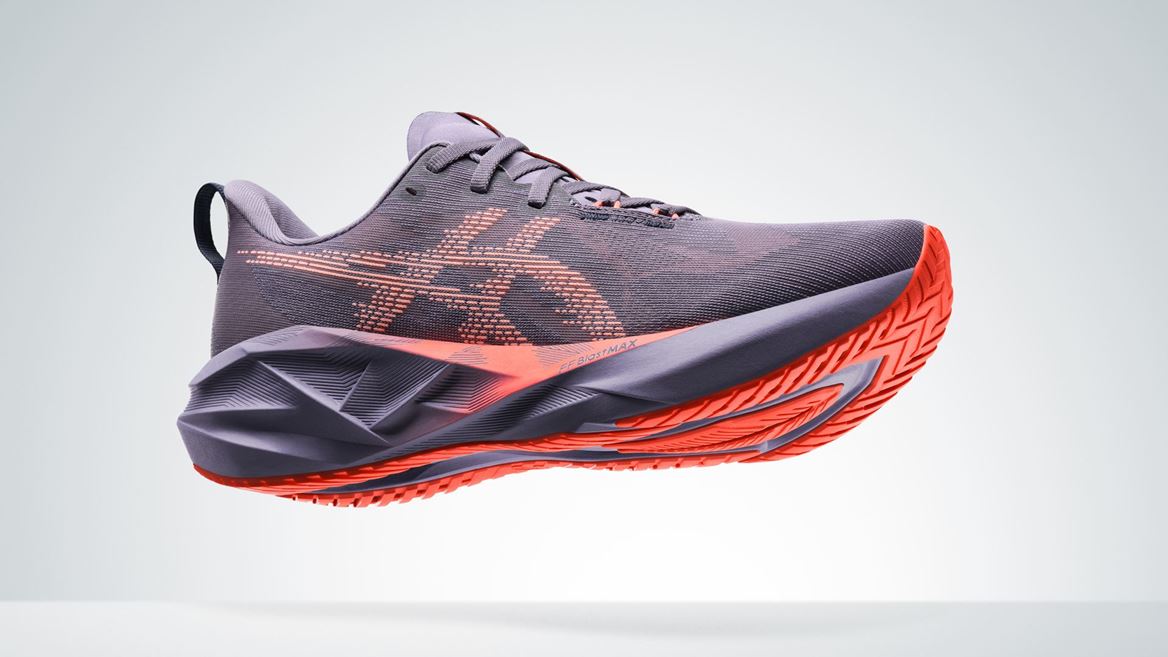
Here's the part most people miss. Asics is currently the third-largest player in India's high-end running segment, behind Nike and adidas, but Bloomberg reported the Japanese brand is targeting up to 35% annual growth in India over the next five years, explicitly aiming to leapfrog both established giants in premium running. That isn't a modest catch-up plan. That's a brand that thinks it can win outright.
The product backs the ambition. The Novablast 5's FF BLAST MAX foam increased bounce roughly 8.5% over the previous generation while cutting the shoe's carbon footprint by about 17% against the industry average, genuine engineering progress rather than a marketing refresh. In India it retails for roughly ₹14,000 to ₹16,000 depending on retailer, sitting above the Pegasus but below adidas's premium tempo shoes. Asics doesn't have Nike's shelf space or adidas's brand recall among casual buyers, but among the runners who actually show up to 5 AM training groups before a half marathon, Asics has quietly become the shoe people recommend to each other.
Where New Balance Fits
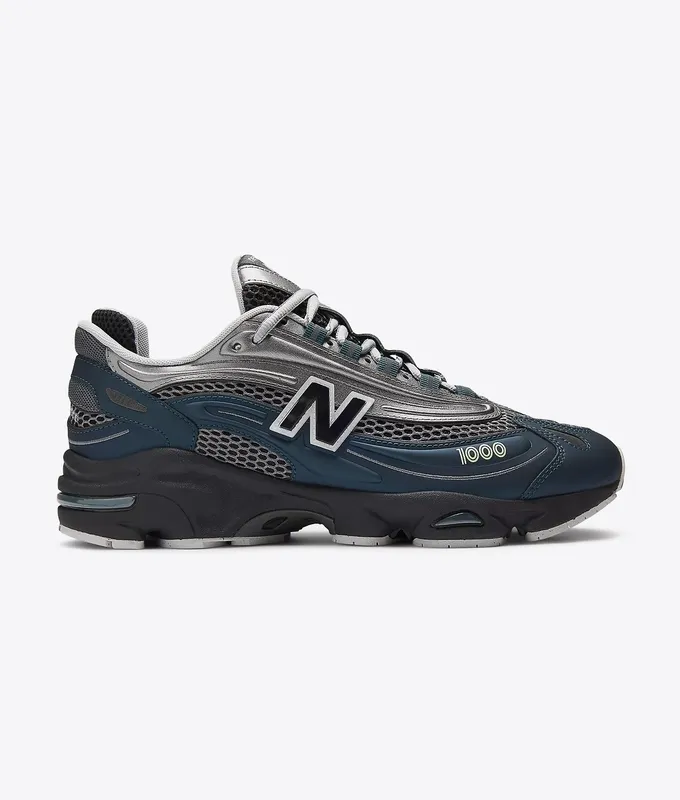
New Balance isn't winning this fight yet, but it isn't absent either. The Fresh Foam X 1080 v13 runs around ₹17,000 and the more accessible 860 v14 sits near ₹11,500, giving New Balance a genuine premium-to-mid spread if it ever decides to market running the way it's marketed lifestyle silhouettes like the 550 and 992 in India. Right now it isn't trying very hard, and that's the gap Asics is running through.
Our Verdict
If you're buying your first pair for a 10K and want the safest, most available option, buy the Pegasus. Nike's retail reach in India still means something. But if you're training seriously and can find a store that stocks it, the Novablast 5 is the better shoe for the money, full stop. It isn't close. And the trust gap the industry keeps talking about is real: as one running-brand founder told LocalSamosa, "Awareness isn't the main bottleneck anymore. The bigger challenge is getting people to trust homegrown brands at the same level as legacy global giants," which says as much about India's runners as it does about the shoes themselves.
Nike and adidas will keep winning on shelf space for another few years. Asics is betting that shelf space stops mattering once a runner has finished one marathon and started asking better questions, and every training-group recommendation is a small win in that direction. Our money's on Asics being right. Browse our Nike running picks if the Pegasus is calling your name, and if you're curious how this same homegrown-versus-imported dynamic played out for trail brands, read our breakdown of On Running vs Hoka in India.