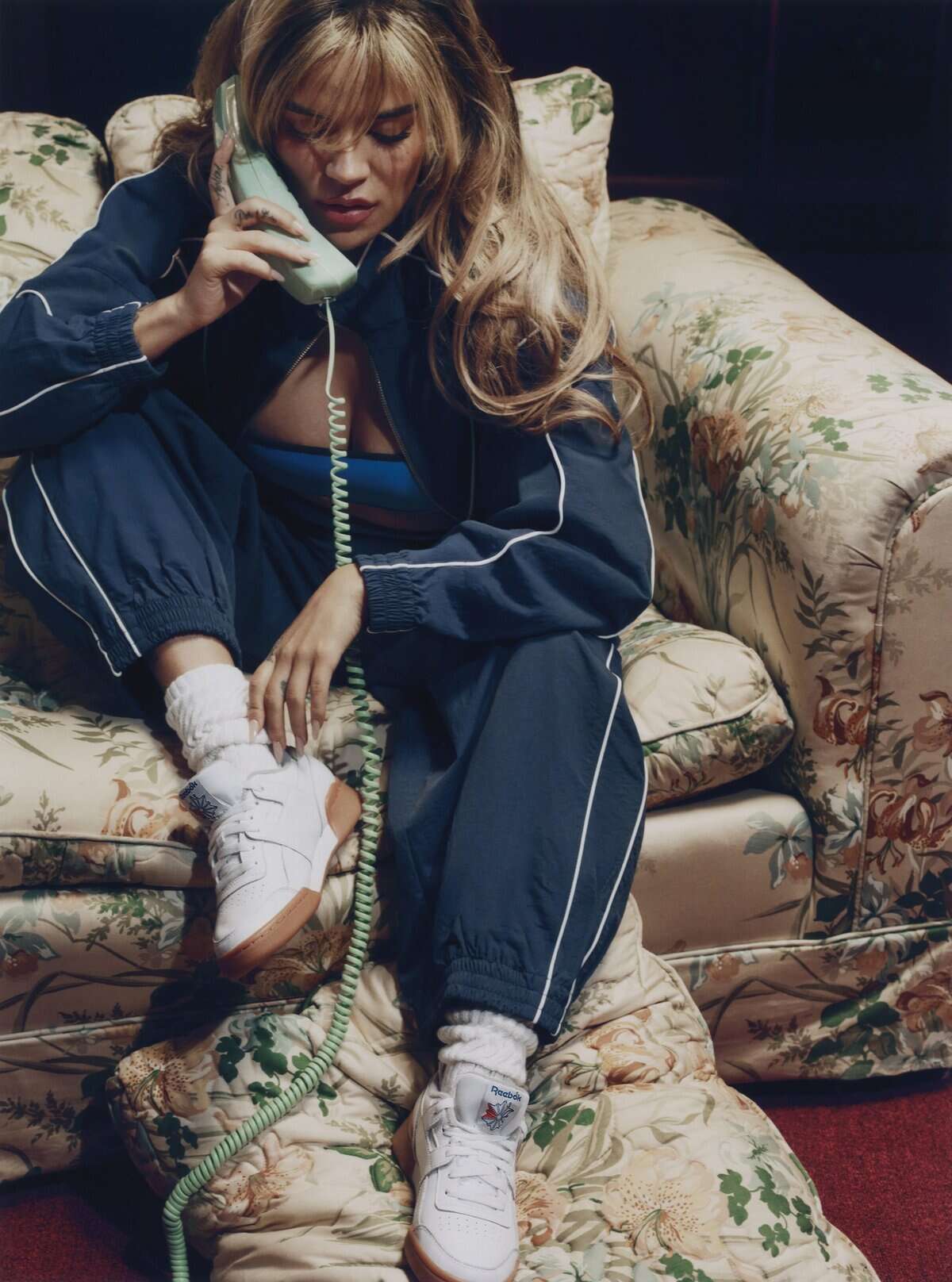
Reebok just spent a global marketing budget's worth of attention on a Grammy winner, and the brand running Reebok in India had nothing to do with any of it. That's not a knock on the campaign — Karol G fronting "Born Classic. Worn For Life." is genuinely one of the bigger sportswear marketing moments of early 2026. It's just a fact worth sitting with before anyone assumes it automatically means anything for Indian shelves.
So here's the actual question: is this the start of a real Reebok comeback, or a global win that Indian buyers mostly watch happen from the outside? The answer runs through a company most sneakerheads have never heard of — Aditya Birla Fashion and Retail, the Indian conglomerate that actually operates Reebok stores across the country.
The Case That This Is a Real Comeback
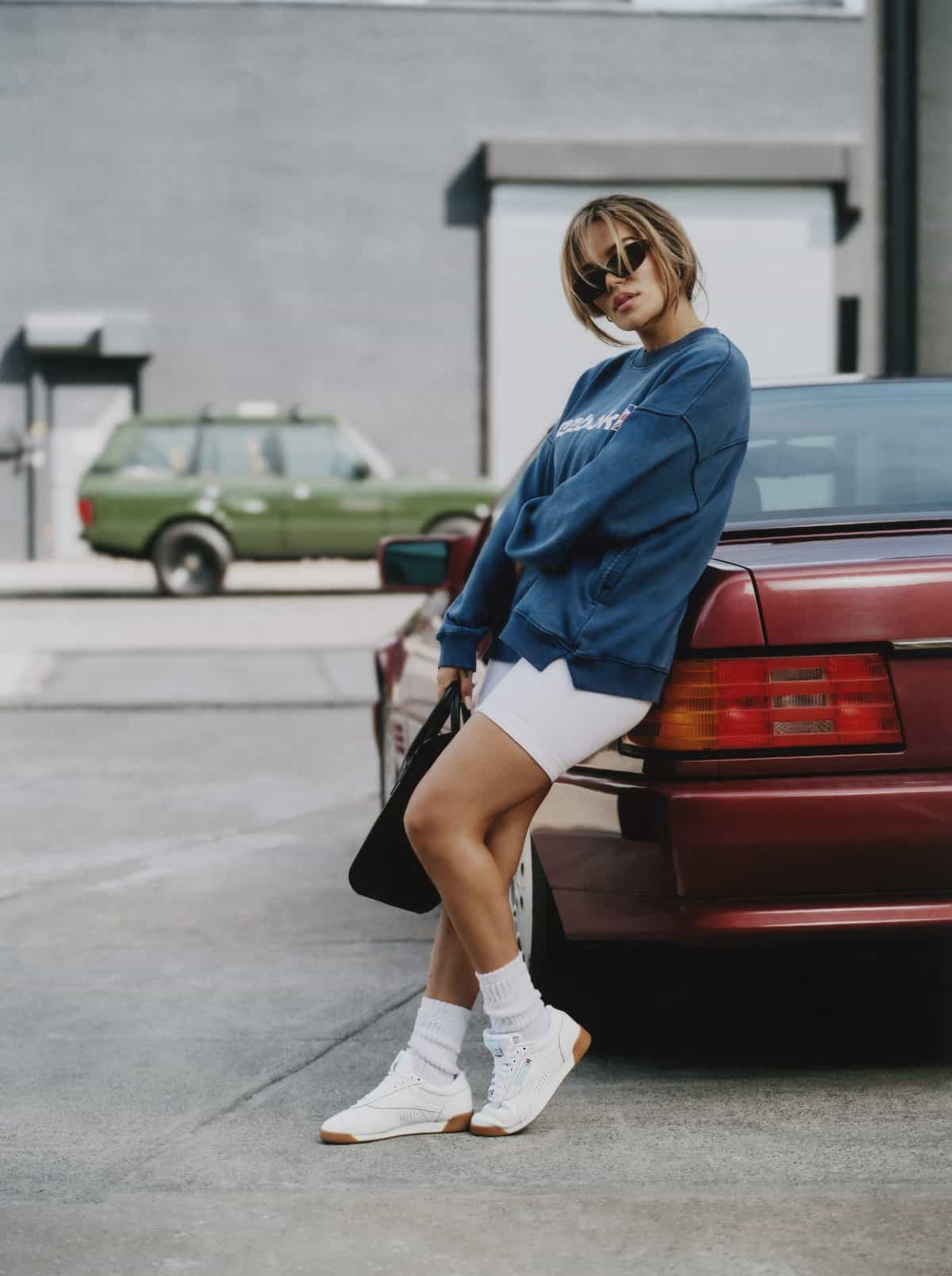
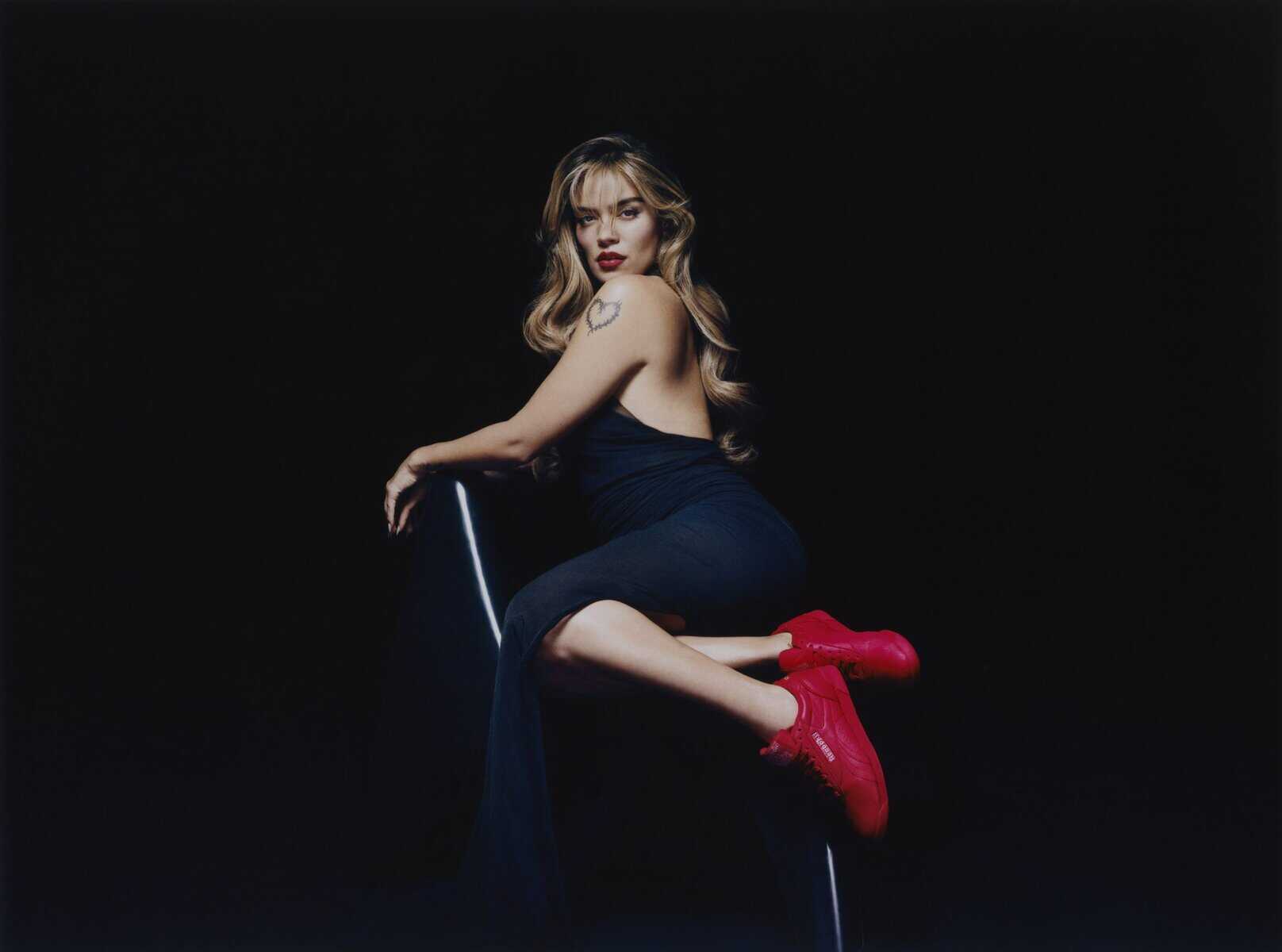
The campaign itself is legitimately strong. Reebok relaunched its Classics line on February 18, 2026, in 100% real, full-grain Garment Leather, spanning five models — Workout Plus, Club C 85 Vintage, Freestyle Lo, Freestyle Hi, and the original Classic Leather — all under the "Born Classic. Worn For Life." banner with Karol G as global ambassador, according to Reebok's own EU product pages and The Source's coverage of the launch. Pricing in Europe runs €110 for the Club C 85 Vintage and €120 for the Workout Plus — squarely mid-range, not a luxury reissue playing dress-up.
Reebok's own copy leans hard into heritage: the Club C is described as "born in 1985 as a tennis shoe," the Classic Leather as a running silhouette "born in 1983" that's "constantly evolved," and the Workout Plus as "a cult classic born for fitness, adopted by the street." That's a brand actively trying to reclaim design credibility it's spent years losing to Adidas, Nike, and New Balance — and putting a genuine global pop star behind it, rather than a niche sneaker-world name, is a real statement of intent.
The Case for Skepticism
Here's the part that complicates the celebration: Reebok isn't run the same way everywhere. Aditya Birla Fashion and Retail secured exclusive long-term rights to sell Reebok products across India and other Southeast Asian markets, a licensing arrangement tied to Authentic Brands Group's roughly €2.1 billion acquisition of Reebok from Adidas. ABFRL committed somewhere between ₹750 million and ₹1 billion just to take over Reebok India's existing inventory and assets. That's not a marketing partnership — that's a separate company running separate retail operations under license.
What that means practically: a global campaign calendar built around Karol G and a European product drop doesn't automatically translate into India timing. ABFRL makes its own calls about what it stocks, when, and at what price point for the Indian market. A campaign can generate real global buzz and still take months — or never arrive at all in a given SKU — to actually show up on Indian shelves, because the company making that decision isn't the one running the ad.
It's worth remembering how far Reebok has drifted from cultural relevance to get here. This is a brand that once ran neck-and-neck with Nike and Adidas in the '80s and '90s fitness boom, got absorbed into Adidas in 2006, spent roughly a decade and a half as an afterthought inside that portfolio, and only became an independent brand again once Authentic Brands Group completed its buyout in 2022. A comeback attempt built on real product and a genuine global star is a legitimately different strategy than anything Reebok has tried in years — which is exactly why it's worth taking seriously rather than dismissing as another licensing-brand marketing push.
The India Context
This licensing structure is exactly why Reebok in India has felt like a slightly different brand than Reebok everywhere else for a few years now — different store experience, different product mix, different pace of new releases. It's worth knowing that context before assuming a global campaign win is an India win too. At the European price points reported for this collection, a landed Indian price for the Club C 85 Vintage or Workout Plus would plausibly sit somewhere in the ₹10,000–₹12,000 range once ABFRL's own India pricing gets applied — genuinely competitive territory against what Adidas Originals and Puma Classics currently charge for comparable heritage runners, if and when ABFRL actually brings the Garment Leather line in.
Our Verdict: Real Momentum, Uncertain Delivery
Two honest takes. First — the Karol G partnership is a genuinely smart move, and Reebok deserves credit for it. A global music star with real cultural reach does more for a heritage sportswear brand's relevance than another niche sneaker-world collaborator ever could, and the Garment Leather execution sounds like a real product upgrade, not just a marketing skin. If you only judge this by the campaign, it's working.
Second — don't assume this means anything concrete for Indian shelves yet. ABFRL's separate licensing arrangement is the actual bottleneck here, and until there's a confirmed India launch date and India-specific pricing for this exact collection, the honest position is cautious optimism, not certainty. Reebok's comeback story is real. Whether Indian buyers get to be part of it on any reasonable timeline is a completely separate question, and right now, nobody's answered it.
Keep an eye on ABFRL's own retail calendar rather than Reebok's global press releases if you actually want to know when — or if — this lands here. In the meantime, if heritage runners are your thing, check out what's currently in stock from Adidas at SNKRS CART. And for more on how a different brand's ownership structure is reshaping its India business right now, read our breakdown of the ANTA-Puma stake deal — a similar story about who's actually calling the shots behind a familiar logo.