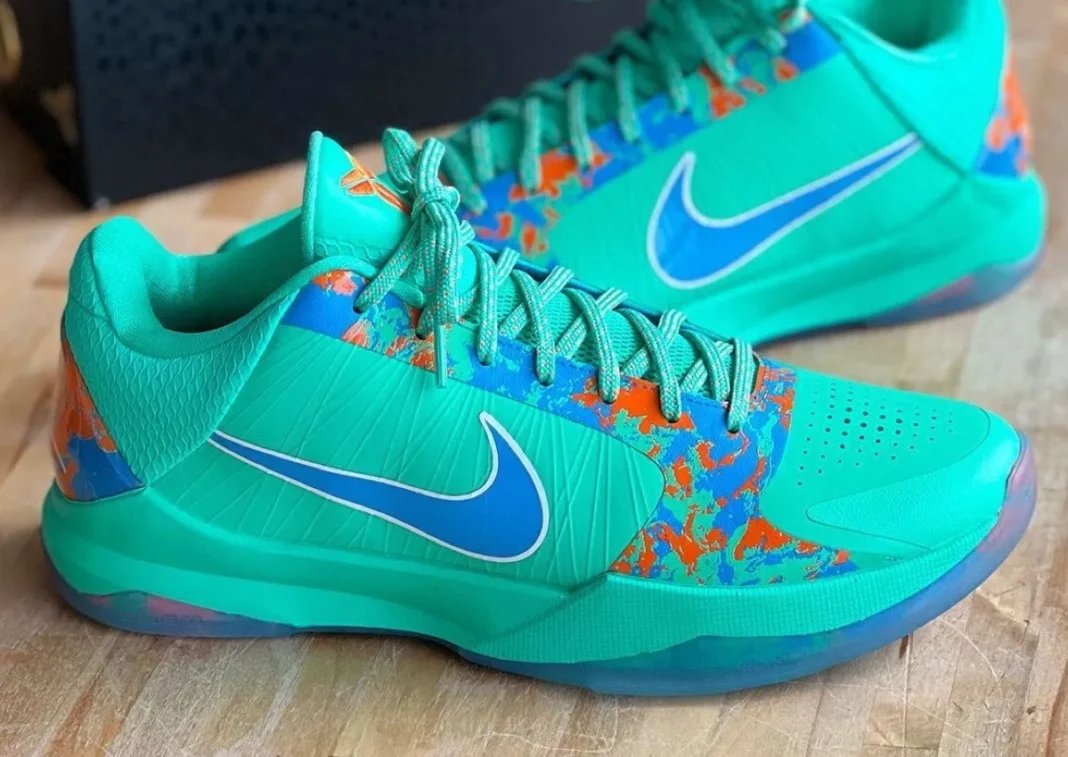
July 31, 2026 was supposed to be a deadline. On that date, every pair of imported footwear sitting in an Indian warehouse without a Bureau of Indian Standards mark was due to become unsellable. Boutique owners stocking imported sneakers, resellers running SNKRS-adjacent operations, anyone with non-BIS-certified stock on hand — all of them were staring down the same cutoff. Then, on June 12, 2026, the government quietly moved the goalpost by a full year.
Nobody in Indian sneaker culture is talking about this yet. It hasn't shown up on r/SneakersIndia, it hasn't been the subject of an Instagram explainer, and it's not the kind of story that trends the way a new Jordan drop does. But if you've ever wondered why certain global sneaker brands seem to have thinner stock in India than you'd expect, this regulation is a big part of the answer.
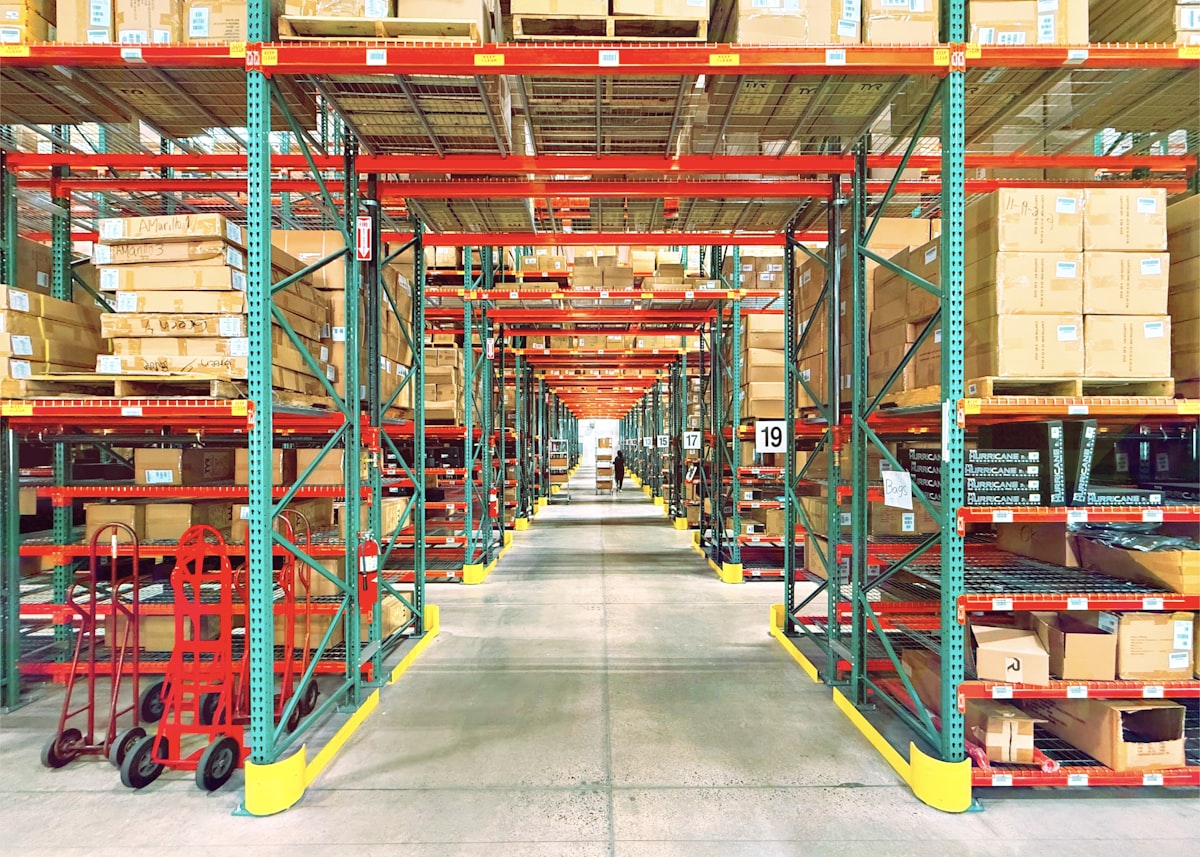
What the Footwear QCO Actually Requires
India's Footwear (Quality Control) Order took effect on August 1, 2024, covering 13 footwear categories — including sports footwear across three separate performance tiers, according to UL Solutions' coverage of the order. Under the QCO, covered footwear has to conform to specific Indian Standards and carry the BIS mark once that conformity gets certified. A follow-up amendment in August 2024 let footwear already in the market before the order took effect keep selling without certification, but only until July 31, 2026. That's the deadline that just moved.
This isn't a small technical footnote. Sports footwear sitting inside that 13-category list means performance sneakers, running shoes, and athletic silhouettes are directly in scope — not just safety boots for factory workers, which is the image most people probably have of "quality control orders" if they've heard of them at all.
The June 2026 Amendment, and Why It Happened Now
Per Fibre2Fashion's reporting, the Department for Promotion of Industry and Internal Trade issued two notifications on June 12, 2026 — S.O. 3038(E) and S.O. 3037(E) — amending the QCOs covering leather footwear and rubber/polymeric footwear respectively. The headline change pushes the legacy-stock sell-off deadline from July 31, 2026 to July 31, 2027. Existing non-certified inventory gets a full extra year on shelves before it has to disappear.
The same amendment also added a genuinely useful carve-out for brands: manufacturers can now import up to 4,500 pairs annually purely for research and development, as long as each pair is marked "Not For Sale," embossed clearly, and scrapped after use, with year-wise records kept for government inspection. That detail matters more than it sounds — it means global brands can keep testing new silhouettes and materials in the Indian market without running every single sample through full BIS certification first, which should, in theory, keep newer designs flowing into India even while the compliance clock keeps ticking on regular retail stock.
Why This Is Your Problem If You Buy Imported Sneakers in India
If a brand's India-market stock has felt thinner than usual over the past year, BIS compliance timelines are a real, underdiscussed reason why. Import-heavy retail — boutique stores, SNKRS-adjacent resellers, anyone bringing in pairs that weren't manufactured with an India-specific BIS pathway already built in — has had to work around this QCO since August 2024, and the extension doesn't remove that pressure, it just delays it.
Read the timeline carefully and the "relief" framing falls apart a little. This is a one-year extension, not a repeal. July 31, 2027 is now the real deadline, and most of the import-heavy side of Indian sneaker retail isn't meaningfully closer to full BIS compliance than it was a year ago. Kicking the can down the road buys time, not solutions.
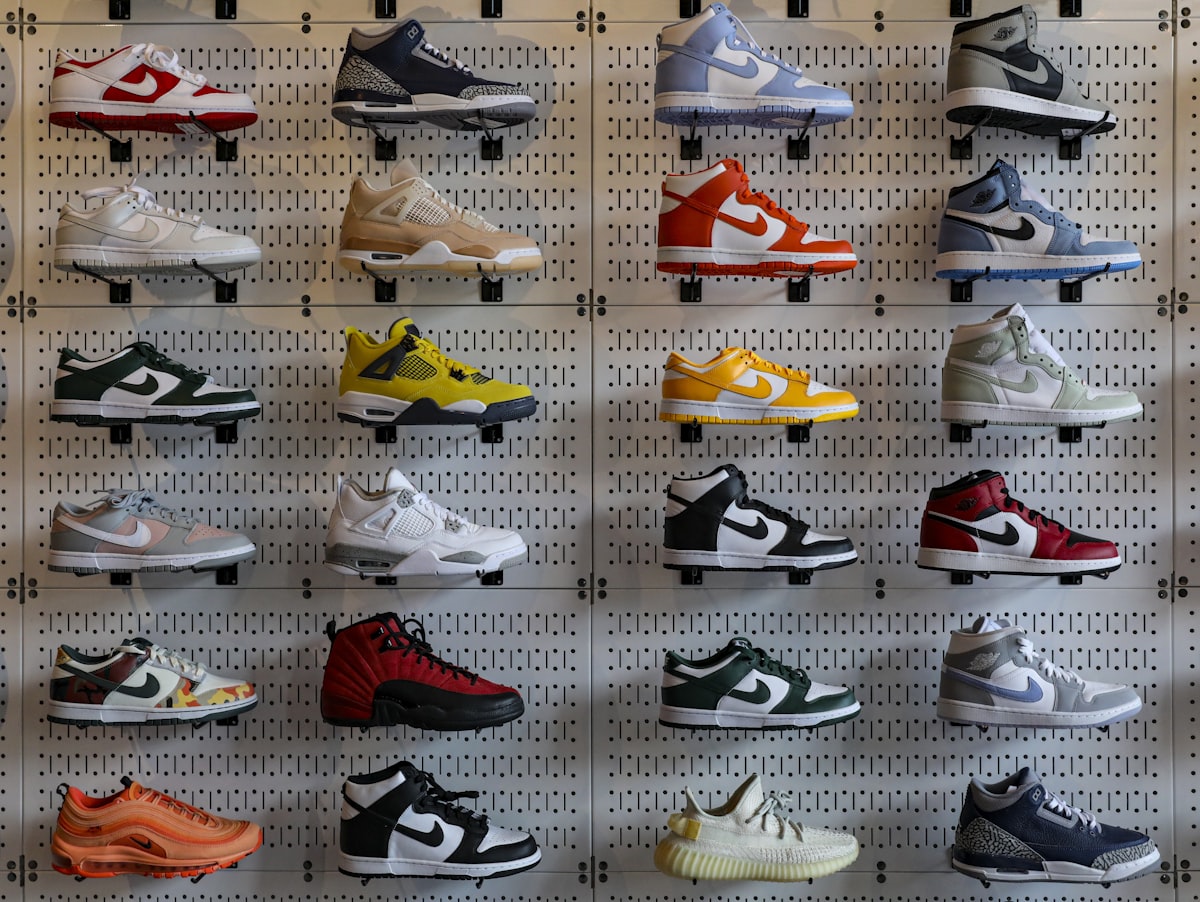
It's also worth sitting with why a compliance deadline needs a do-over at all. BIS certification means testing footwear against a specific Indian Standard for its category and getting that testing verified before the product can legally carry the mark — the kind of per-category, per-material process that doesn't scale cleanly against a global brand's habit of pushing dozens of new colourways through the pipeline every year. Treating it as a box-ticking formality misses why regulators keep having to push the deadline instead of just enforcing the original one.
Our Take: A Countdown Dressed Up as Relief
Two honest opinions here. First — treating this as good news for Indian sneakerheads is only half right. Yes, your favourite import-heavy boutique gets another year of breathing room on existing stock. But if you're the kind of buyer who chases global-exclusive drops that never got an official India BIS pathway to begin with, this regulation is quietly working against you either way — it's just pushed the inconvenience further down the calendar instead of removing it.
Second — the 4,500-pair R&D allowance is the more interesting story buried in this amendment, and it deserves more attention than the deadline extension. It's a genuine signal that India wants global brands testing new product locally rather than skipping the market entirely because full certification is too slow. If brands actually use that allowance well, it could mean India sees experimental releases and limited runs sooner than the certification bottleneck would otherwise allow — which is a much bigger deal for people who care about getting genuinely new sneakers, not just getting any sneakers.
Either way, if you've been frustrated by patchy import availability at your favourite Indian sneaker store, this is why — and it's not changing meaningfully until at least mid-2027. For more on how India's import rules shape what you can actually buy, see our breakdown of the 2026 resale market crash, and in the meantime, browse what's currently in stock at SNKRS CART — all of it already cleared for sale in India.