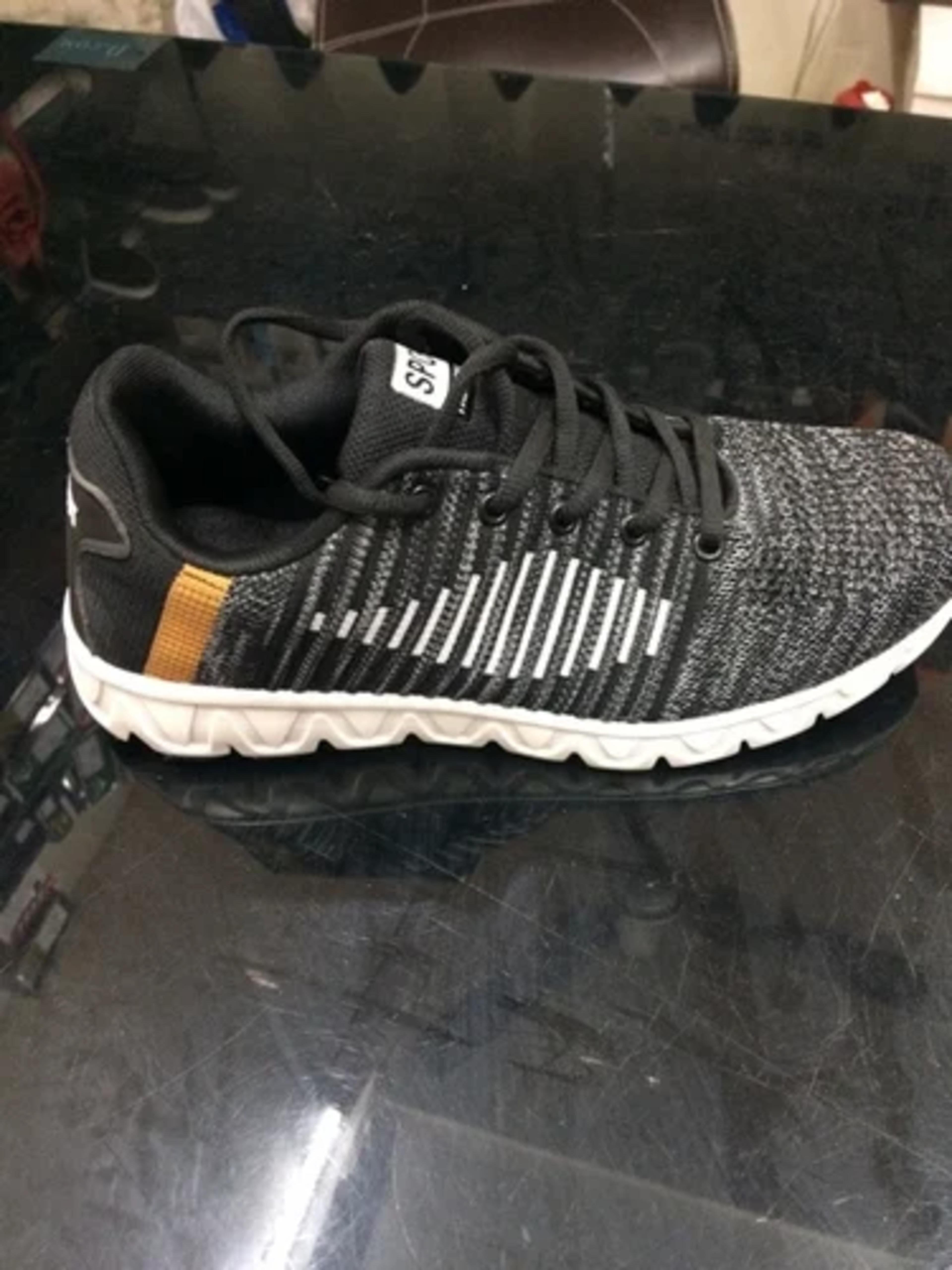
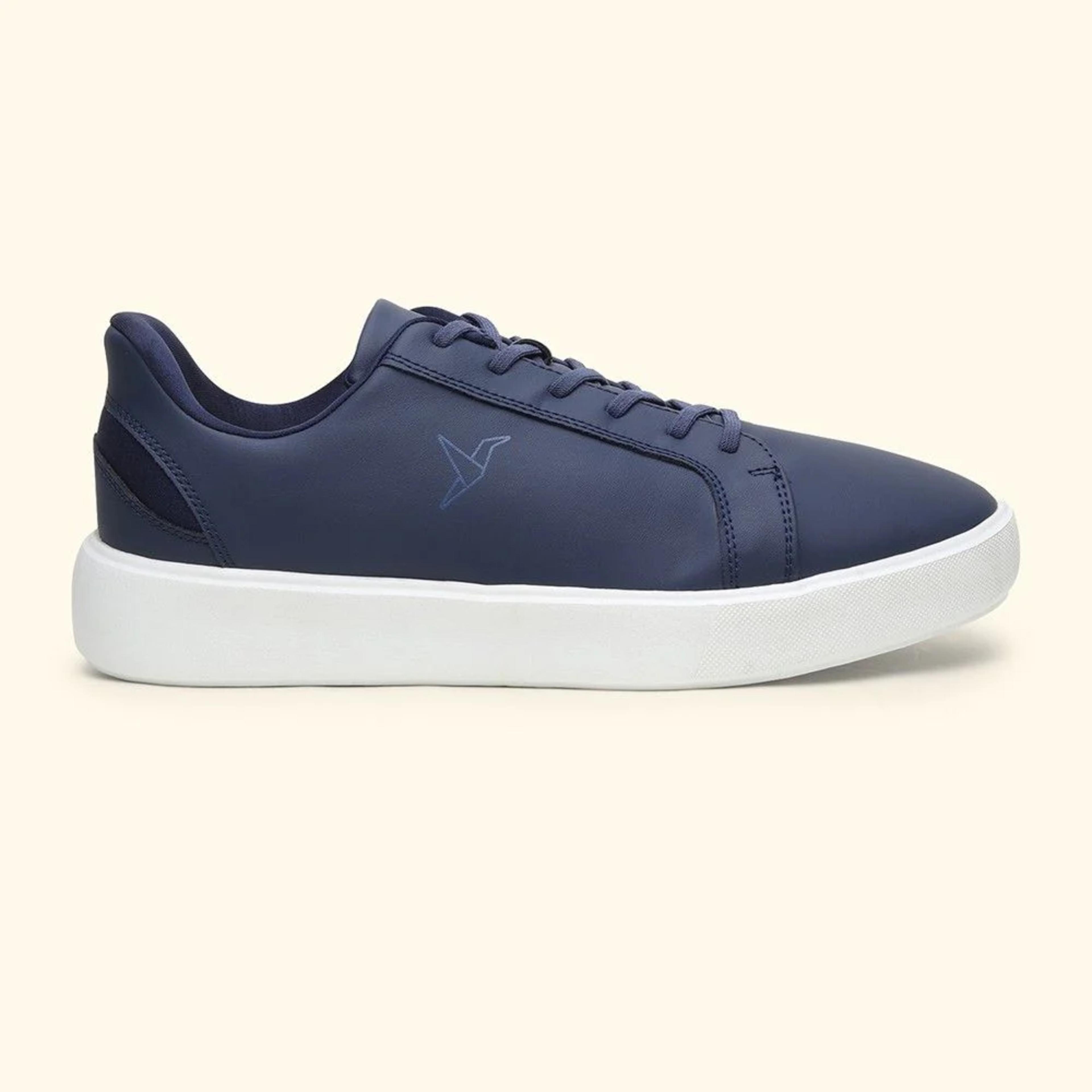
Somewhere between the Andheri station rush and the third meeting of the day, most of us have bent down to fix a shoelace we didn't have time to fix properly. Yoho, the Bengaluru-founded D2C footwear brand, built an entire sneaker around the idea that you shouldn't have to.
Blinc launched in March 2024 as India's first fully hands-free sneaker, and two years on it has become the clearest proof point in Yoho's pitch to investors — the brand raised a fresh equity-and-debt round this May, backed again by Gulf Islamic Investments and Rajeev Misra, to push further into offline retail and its performance running range.
Co-founder Prateek Singhal put the thesis behind the shoe plainly at launch: "We've worked hard to create something that goes beyond expectations, giving unmatched comfort and convenience without breaking the bank." His co-founder Ahmad Hushsham framed it in more physical terms — "Slipping them on and off is as effortless as taking a moment to relax" — which is either a marketing line or a fair description of the mechanism, depending on how many times a day you actually take your shoes off.
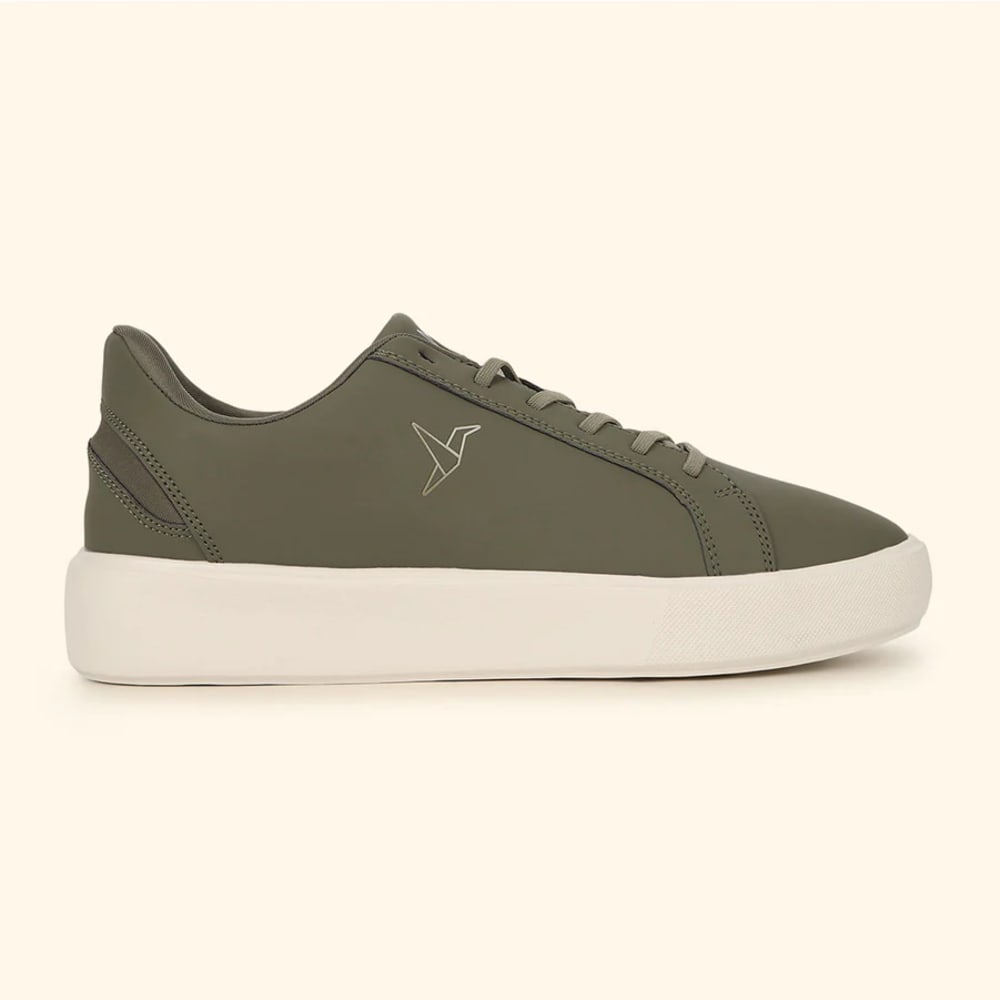
How Blinc Actually Works
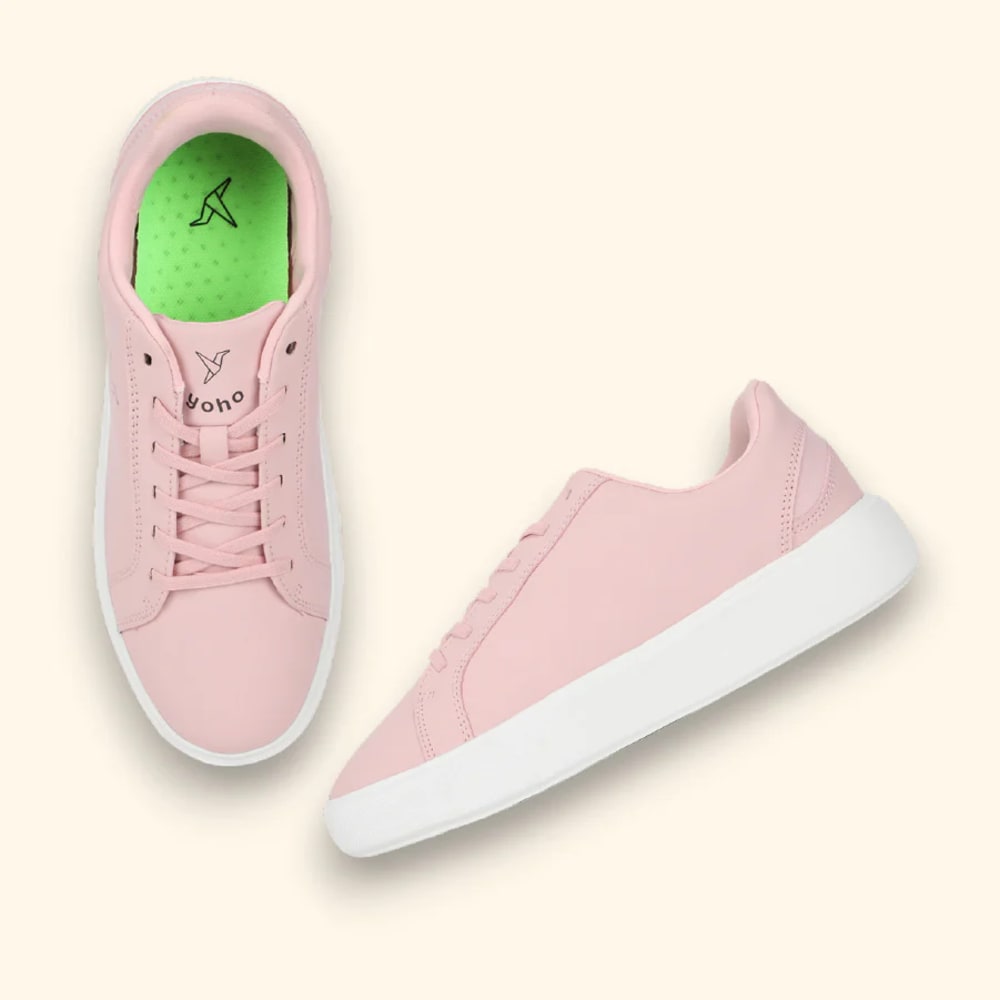
The mechanism is called SpringEase — a spring-loaded heel and collar structure that lets the shoe collapse open when you step in, then snap back to a locked fit once your foot is settled. No bending down, no laces to retie mid-commute. Underneath, Yoho pairs it with what it calls a Footpharma sole — a washable, honeycomb-structured EVA insole built with arch support, aimed at cutting foot fatigue over a full day of wear rather than just looking good in a product shot, according to the brand's own launch release.
It comes in four colourways for men and nine for women, the latter including a run of pastel options that push it further from "commuter shoe" and closer to something you'd choose on its own merits. Retail is ₹4,199, though Yoho has run it at a ₹2,899 introductory price across its own site, Amazon, Myntra and Flipkart since launch — cheap enough that the pitch isn't "buy this instead of your Nikes," it's "buy this instead of the sandals you wear to the metro station." The insole is also removable and washable, which matters more than it sounds for a shoe designed to go on and off constantly through a working day — a small detail that separates an actual product decision from a marketing checkbox.
Why This Matters Beyond One Shoe
Yoho isn't a startup chasing a single viral SKU. The company has sold more than three million pairs since its 2021 launch, moves inventory through Blinkit, Zepto and Swiggy Instamart alongside the usual marketplaces, and is now targeting close to 2,500 multi-brand outlets across tier I and tier II India, plus AI-assisted exclusive brand outlets built to cut return rates on fit, per Outlook Business' reporting on the new round. Pankaj Gupta of Gulf Islamic Investments, backing his second Yoho round, put the bet in five words: "true differentiation is everything" in a market this crowded. Blinc, and Yoho's newer Catapult running shoe built around its own Carbonburst foam, are the two products doing the actual differentiating — Blinc on convenience, Catapult on performance. Blinc is the one that made the case Yoho could build genuine footwear technology rather than just source-and-relabel casual shoes, and this funding round is the market agreeing with that thesis.
Our Take
Hands-free mechanisms have a gimmick problem — plenty of brands have tried some version of "no-lace," and most read as a solution looking for a problem. Blinc mostly avoids that trap because the use case is specific and real: anyone doing multiple shoe-on, shoe-off cycles a day — airport security, a gym locker room, a train commute spent standing the whole way — gets genuine value from not fighting a lace every time. It was never positioned as a running shoe or a design piece, and it shouldn't be judged as one; the fair comparison is against slip-ons and commuter sneakers, not a Pegasus.
On price, ₹2,899 undercuts what an imported slip-in sneaker would cost after shipping and duty by a wide margin, and that's the comparison that actually matters here. It won't turn heads at a sneaker meet, and it isn't trying to. For the exact commute-and-convenience problem it solves, it's one of the more honestly-scoped products to come out of India's D2C footwear scene this year.
The bigger signal is what a fresh funding round for a hands-free casual shoe says about where Indian D2C footwear is actually headed. It isn't chasing the next viral colourway drop — it's chasing categories nobody else has bothered to solve properly, at a price point built for volume rather than hype. That's a slower, less glamorous bet than a limited sneaker collab, and it's also the one more likely to still be shipping product in five years.
Whether that thesis holds will show up in the boring metrics rather than the exciting ones — return rates at the new AI-assisted exclusive brand outlets, repeat-purchase numbers on Blinc's second and third colourways, whether the Catapult running line actually pulls performance buyers away from the usual Nike-Adidas duopoly. None of that makes for a flashy drop story. It's exactly the kind of unglamorous execution that turns a D2C brand into an actual footwear company instead of a funding-round headline that fades in a year — and right now, Blinc is the one product in Yoho's catalogue actually proving it can be done.
For sneakers built around design rather than convenience, browse our New Balance shelf. And if you're curious how other homegrown Indian footwear plays are scaling right now, our piece on Comet and the new wave of Indian sneaker startups pairs well with this one.