In 2017, if you wanted an authentic pair of anything international in India, you either flew somewhere to buy it, paid a friend doing a layover to carry it back, or trusted a Facebook group run by a stranger with a WhatsApp number. Varun Kumar looked at that mess and decided the opportunity wasn't in designing a new shoe. It was in fixing how the existing ones reached people. Nine years on, according to a profile from The Prevalent India published this week, Swagger Hub has processed more than one million orders and built a customer base past 200,000.
That number matters more than it looks. India's homegrown sneaker conversation has spent the last two years fixated on brands that design and manufacture their own shoes — Comet, Gully Labs, Thaely. Swagger Hub does none of that. It curates and resells international product, and it has still grown into one of the more durable businesses in the category. That is worth sitting with for a second, because it says the money isn't only chasing "Made in India" design stories. A lot of it is chasing access.
Nine years is also long enough to have lived through every major shift the category went through. Swagger Hub started before Instagram sneaker pages were a real distribution channel, before Culture Circle existed, before Nike SNKRS India had any presence worth talking about. It survived the transition from "sneaker culture as a niche hobby" to "sneaker culture as a genuine consumer category" without pivoting into manufacturing its own line, which a lot of resellers eventually try and mostly fumble.
Why Curation Beat Creation, at Least for Kumar
The pitch is simple and Kumar has stuck to it for nearly a decade: footwear as a form of self-expression rather than a purely functional purchase, delivered with enough consistency that customers don't have to gamble on authenticity every time. A separate feature on Republic News India, published in the same week, frames Swagger Hub's growth as riding India's broader sneaker culture shift rather than driving it — a business built to catch demand, not manufacture it. Both pieces agree on the core numbers: founded 2017, over a million orders, 200,000-plus customers. Two independent write-ups landing on the same figures in the same week is about as close to confirmation as a privately held company's internal numbers get without an audited filing.
An IndiaMART listing under the same name and the same owner, Varun, based in New Delhi, backs up the founding timeline independently — the account shows eight years of membership, which lines up with a 2017 start once you account for onboarding lag. That is a third, unrelated data point landing in the same window, and it is the kind of boring corroboration that actually matters more than any single glossy feature.
None of the three sources name the specific brands Swagger Hub carries, which is itself a small tell. A curator that leans on discretion rather than plastering brand logos everywhere is usually protecting supplier relationships it doesn't want a competitor calling up directly. That is a very different posture from a homegrown design brand, which wants every collaboration partner named as loudly as possible.
What This Says About India's Sneaker Money
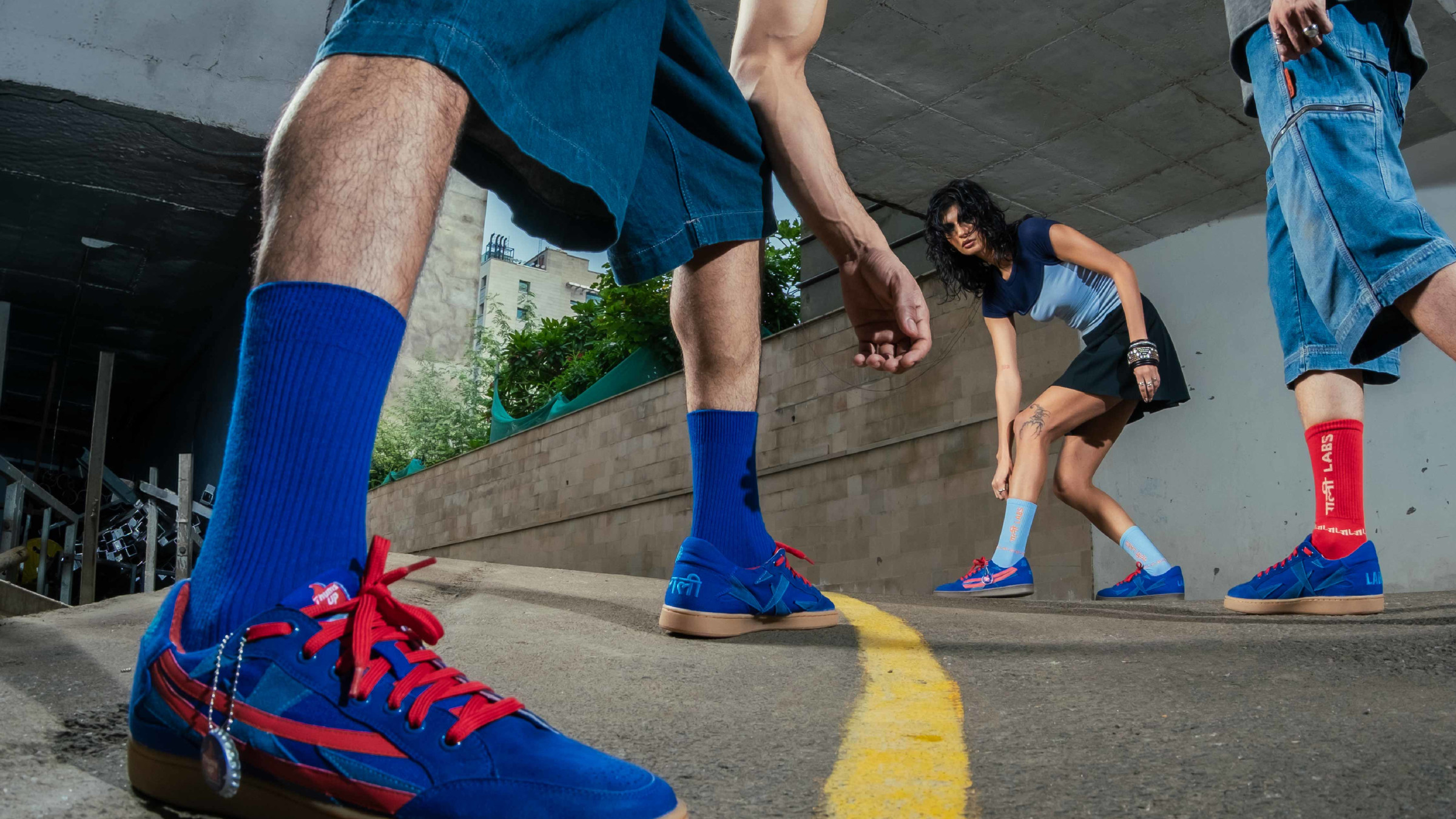
Here's my actual take: the loudest part of India's sneaker conversation right now is homegrown design — everyone wants to talk about the next Gully Labs or Comet drop, the way we did in our piece on Gully Labs and Deepinder Goyal's attention. But a million-order reseller operating quietly out of Delhi tells you the bigger, less glamorous chunk of the market is still just people trying to get an authentic international pair without getting scammed. Design-led homegrown brands are the exciting story. Reliable access is the actual business.
Second opinion, and this one's less flattering: a business built entirely on curation and logistics has no moat once a bigger player decides to compete on price or speed. Nykaa already absorbed Nike's India e-commerce operations this year. If a platform with that kind of capital decides multi-brand sneaker curation is worth owning outright, a nine-year-old Delhi operation competes on trust and relationships, not infrastructure. Trust is real, but it's slower to defend than a warehouse network.
I'd also push back on treating a million orders as proof of premium positioning. Order count tells you volume, not average order value, and a reseller processing that many transactions over nine years is just as likely built on repeat mid-range purchases as it is on rare hype pairs. That's not a knock — a sustainable mid-market business is arguably healthier than one chasing hype-driven spikes — but the framing in some of this week's coverage leans toward treating scale as automatically impressive, when the more interesting question is what that scale is actually made of.
Where This Leaves an Indian Buyer
If you've bought through Swagger Hub or a platform like it, the value proposition was never mystery — it's the same reason Culture Circle and Hustle Culture exist, minus the AI-authentication marketing layer those platforms lean on. You are paying for someone else to have already solved the "is this real" problem so you don't have to. That is a legitimate service, and pretending it's the same as a brand actually designing something new for India undersells what companies like Gully Labs are attempting.
Both things can be true at once, and both are working. If you'd rather skip the resale-and-reseller layer entirely, our own SNKRS CART catalogue runs the authentication and delivery problem the same way — verified stock, no scanning a stranger's WhatsApp forward to check if a pair is real.
Watch this space over the next couple of years rather than the next couple of months. Reseller and curation businesses rarely die from a single bad quarter; they erode slowly as the platforms above them get better at doing the same job with more capital behind it. Swagger Hub's actual test isn't the million-order milestone. It's whether the next million looks meaningfully different from the last one, or just more of the same customers ordering more often.