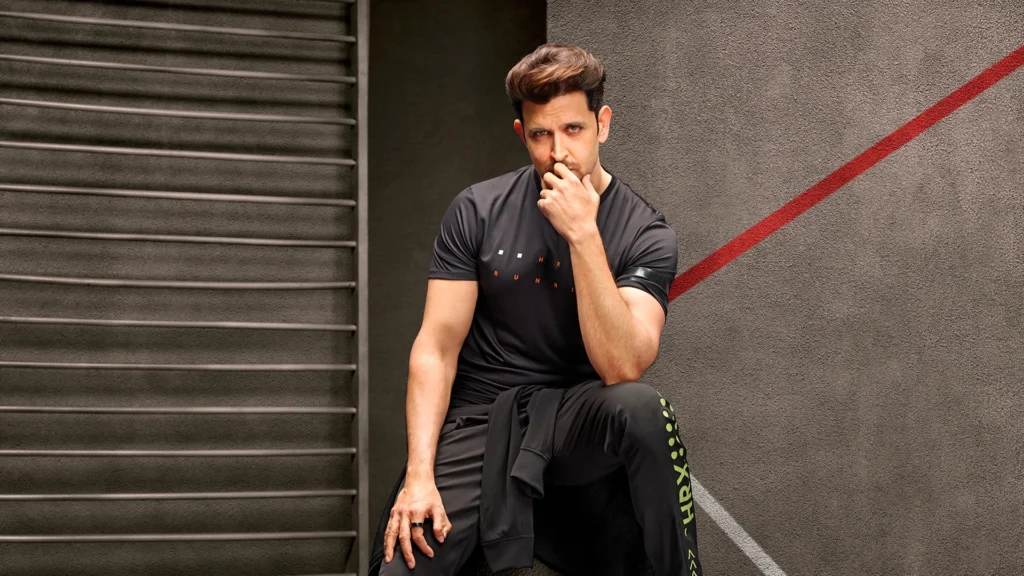
Hrithik Roshan launched HRX on Myntra in 2013 and built it into a Rs 200-220 crore annual revenue brand over 13 years. Virat Kohli launched One8 under PUMA in 2017, ended the partnership in April 2025, and relaunched One8 as a fully independent brand in June 2026 with Agilitas Sports — owning the factory, the distribution, the creative direction. Two celebrity sportswear brands. One market. Very different bets on how to win it.
The question isn't whether there's room for both. India's sportswear segment grows at over 15% annually and the total addressable market for Rs 2,000-15,000 athletic and athleisure product is enormous. The question is which model is structurally sounder: HRX's marketplace dependency, or One8's vertical integration ambition. Here's what the comparison actually looks like when you run the numbers.
The Case for HRX: Scale, Distribution, and 13 Years of Consumer Trust
HRX's structural advantage is distribution. The Myntra partnership puts the brand in front of every person who opens India's largest fashion app — tens of millions of monthly active users. You don't buy that discovery. You earn it over a decade of consistent product quality and aggressive category expansion, which is exactly what HRX has done since 2013.
The revenue story is real: Rs 200-220 crore in annual revenue for 2024-25, with a retail expansion plan targeting 10 offline stores initially and 150 long-term. According to Arthnova's analysis, HRX has achieved sustained growth across gym wear, running gear, casual athleisure, and accessories — product breadth that One8 doesn't have yet. Hrithik Roshan's fitness identity is also genuinely credible. He is one of the few Indian celebrities whose personal brand and business brand align in a way consumers actually believe.
The pricing is accessible. An HRX tee at Rs 799-1,499 or a jogger at Rs 1,299-2,499 sits in the aspirational-but-affordable sweet spot that drives Myntra volume. The mass-market Tier 2 city buyer — Jaipur, Indore, Surat, Coimbatore — finds HRX on the Myntra homepage and converts. One8 has no presence in that geography right now.
The downside: Myntra takes the margin. Brands on marketplace platforms trade discovery for pricing power, and HRX has been constrained in how aggressively it prices premium product because the Myntra customer expects value. The move to offline retail is specifically an attempt to escape this constraint — but 13 years in, that's a long time to be platform-dependent.
The Case for One8: Manufacturing Ownership and Product Identity
One8's biggest structural advantage is one HRX doesn't have and can't easily acquire: ownership of the manufacturing supply chain. Agilitas Sports owns Mochiko Shoes — India's largest sports footwear manufacturer, which also makes product for Adidas and Skechers domestically. That gives One8 a cost structure and quality control that pure-play licensing brands cannot match. It also enables genuine performance footwear at competitive margins — how you eventually take on Nike and Adidas in the Rs 5,000-15,000 tier without losing money on every pair.
The product narrative is also more distinct than anything HRX has produced. The Seam XVIII Signature's design — Test-ball inspired texture, cricket ball stitching on the tongue, Kohli's 9,230 runs encoded in the price, his signature on the lateral panel — is a specific story a specific audience cares about deeply. HRX's design language is competent athleisure. One8's is fan identity. Those are different things, and the difference matters at the premium end of the market.
India Context: Cities, Pricing, and Who Is Actually Buying
HRX's customer base skews Tier 2 and Tier 3 — cities where Myntra's logistics reach is deepest and the Rs 1,999 gym tee is a genuine statement purchase. Delhi-Mumbai-Bangalore's sneakerhead and streetwear community has historically treated HRX as practical backup, not a cultural statement. That's a distribution win but a brand limitation.
One8's early buyers are Metro-based, brand-aware, and buying into the cricket founder mythology. Bangalore's tech crowd following Kohli's entrepreneurship arc. Delhi's streetwear set who were at Yashobhoomi in June. Mumbai's Bollywood-adjacent consumers who watched the Bandra-Worli Sea Link light up with One8 campaign visuals. Smaller volume buyers — but high-advocacy consumers who carry cultural credibility.
There's a third entrant worth noting: Ranveer Singh's SuperYou brand hit Rs 150 crore ARR in its first year after launching in 2024 and raised Rs 63 crore in Series B. The Indian celebrity sportswear space is moving fast. HRX, One8, and SuperYou are all competing for the same aspirational Indian consumer across different price and identity bands. That competition produces better product. It's a good problem for the market to have.
For sizing: One8's lifestyle shoes run true to Indian standard UK sizing, same as most India-market product. HRX apparel runs slightly large — size down one from your usual if you're between sizes on tees and joggers. Worth knowing before you order.
What We'd Actually Buy
For daily wear and volume? HRX. The Rs 1,299 jogger and the Rs 1,999 training polo are some of the best-value athleisure in India. Quality-to-price ratio is genuinely strong after 13 years of iteration. Available on Myntra in 24 hours with free returns. That convenience is real and underrated.
For something with a story? One8 — specifically the Seam Pavilion at Rs 6,999. It's the right price for a daily sneaker with a cricket narrative, and the design holds up without the full Rs 9,230 Signature commitment. Wear it with slim-straight jeans in navy, grey, or olive and let the cricket stitching carry the outfit.
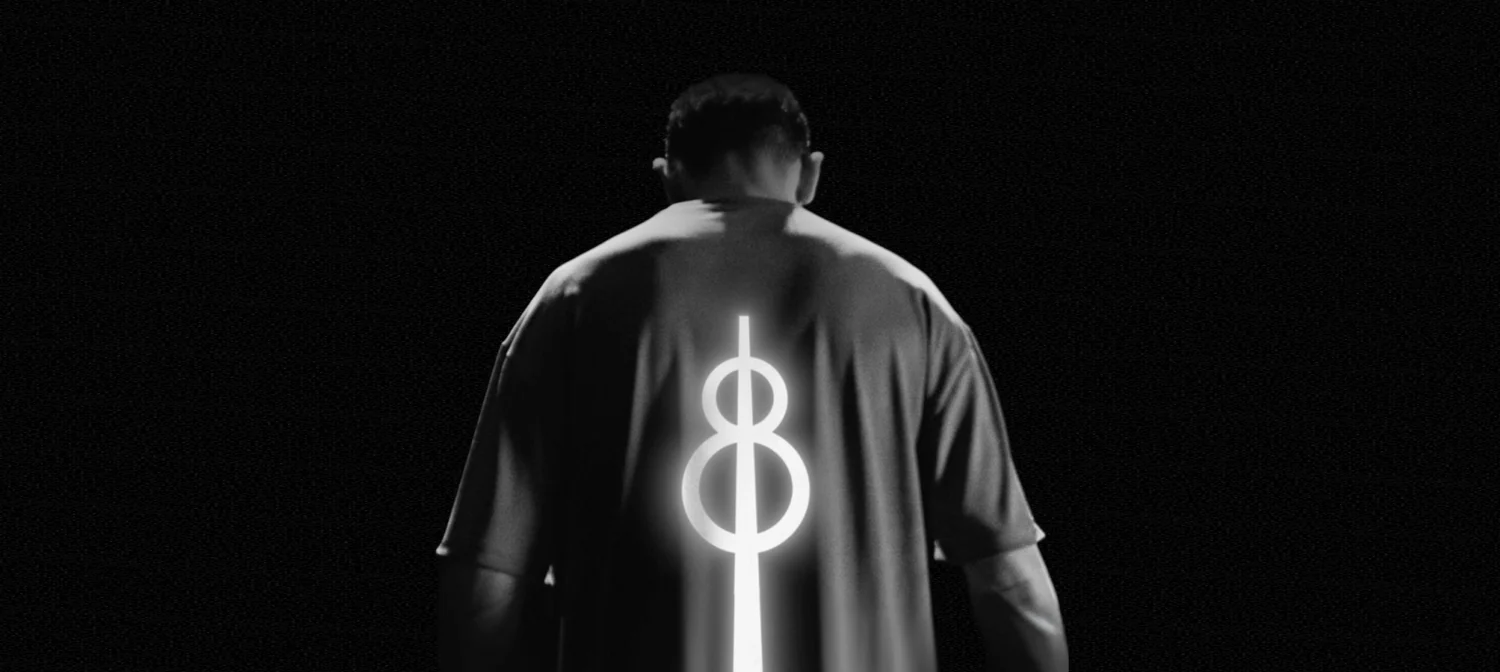
Read our full recap of the One8 Global Premiere if you missed the June 21 launch. For the business story behind why Kohli bet equity over endorsement fees, that breakdown is here. The Nike selection at SNKRS CART benchmarks the international tier both brands are entering.