In 2015, you couldn't walk into a store in most Indian cities and buy a pair of Air Jordans. You'd have to know someone, smuggle pairs in from Dubai, or pay a premium to a grey-market seller who brought inventory back in a suitcase. Ten years later, India has a thriving network of authentic sneaker boutiques, a domestic resale economy worth hundreds of crores, and a generation of young buyers who understand colourways, style codes, and release dates as fluently as any sneakerhead in New York or Tokyo. This didn't happen by accident.
The Numbers Behind the Culture
The Indian sneaker market is projected to reach ₹27,000 crore — approximately $3.2 billion — by 2028, growing at a 7.5% compound annual growth rate, according to research cited by industry analysts tracking the space. Sports shoes now account for nearly 25% of India's total footwear market. Since 2020, sneaker sales on platforms like StockX, Flipkart, and Instagram have increased by roughly 300%. That growth rate is not being driven by 45-year-olds buying running shoes. It's being driven by Gen Z — the generation that grew up with Instagram Reels, YouTube sneaker review channels, and a very specific desire to express identity through what they put on their feet.
How Resale Changed the Game
The moment the Indian market understood that sneakers could appreciate — not just in hype, but in actual rupee value — everything accelerated. Take the Travis Scott x Nike Jordan collab: it retailed at approximately ₹15,000 on the grey market when it first arrived in India. Today, those same pairs move for ₹1,00,000 and above, a roughly 700% appreciation. Or the Nike SB Dunk Low "Chunky Dunky," which retailed at around ₹8,000 when it was accessible and now trades hands at ₹1,80,000 on Indian resale platforms. CrepDog Crew, one of India's leading authenticated sneaker marketplaces, reported that demand for rare sneakers doubled in just two years. The resale economy has done something unusual: it's made sneaker buying feel like a legitimate financial decision, not just a fashion choice. That framing resonated strongly with young Indians who are already comfortable with app-based investing and crypto — another asset class, just one you can wear.
Who Is Actually Driving This?
It's a convergence of cultural forces rather than one single driver. Cricket has always been central — players like KL Rahul and Hardik Pandya have worn sneakers off the field in ways that normalised the culture for mainstream Indian audiences who might not otherwise follow streetwear. Hip-hop has been equally important: artists like Divine, Emiway Bantai, and Naezy built Mumbai's rap scene while wearing the shoes that were coming into the country through back channels, and that visual language filtered into their fanbases. Bollywood amplified it further — Ranveer Singh and Siddhant Chaturvedi have both used sneakers as a central part of their public image, taking the culture to audiences who follow Filmfare as closely as they follow hypebeast.com. As Ridhi Gupta, co-founder of Street Bug boutique, put it: "Sneakers are collectibles, like watches or designer handbags." That framing shift — from "running shoes" to "cultural artefacts" — is what Gen Z internalised and made real.
The Brands Winning in India Right Now
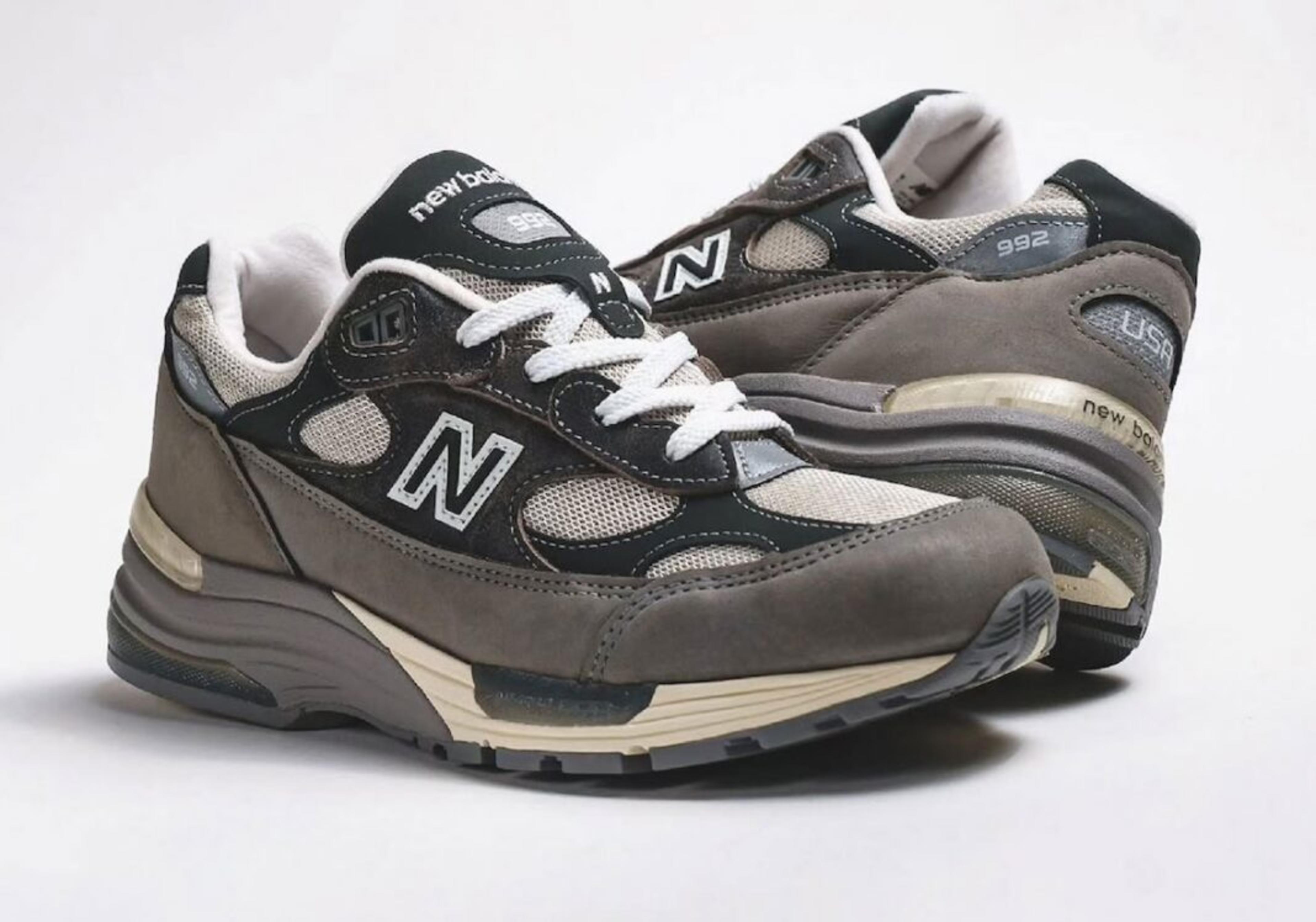
Not all brands have benefited equally. According to Hustle Culture India's search volume data, New Balance saw 48% search growth in India through 2025 and into 2026. The 550, 9060, 1906R, 530, and 2002R are the models driving that growth, particularly in Bangalore, Pune, and Gurgaon — cities with strong tech and finance demographics that index toward understated, quality-driven product over loud hype drops. Air Jordan has seen 22% search growth, with the Jordan 1 in its various heights leading searches from Mumbai to Chandigarh. The boutique ecosystem supporting these brands has matured significantly: VegNonVeg (Delhi and Mumbai) remains the flagship store of Indian sneaker culture; Superkicks covers the market with authenticated global releases; CrepDog Crew dominates resale; Street Bug and Beear Kicks serve specific collector communities. These are not grey-market operations — they're legitimate, authenticated businesses that have made it possible to buy premium sneakers in India without risking fakes.
What Comes Next for India's Sneaker Scene
The next evolution is already underway. Homegrown brands like Neeman's and SoleSearch are carving out space in the domestic market by combining international design sensibilities with India-first materials and sizing. The cultural conversation is also shifting — Gen Z buyers are increasingly asking about sustainability alongside hype, and some collectors are beginning to incorporate traditional Indian craft elements — Ikat weaves, Ajrakh prints — into custom sneaker designs. Geographically, the culture is expanding too. Bangalore, Pune, Hyderabad, and Chandigarh have emerged as genuine sneaker markets, not just feeder cities to Delhi and Mumbai. The sneakerhead who would have had to travel to a metro city to find a boutique five years ago is now being served locally or through well-developed Instagram-based retail networks. India's sneaker scene in 2026 is no longer catching up to the rest of the world. It's building its own version of the culture — one that makes room for both the Travis Scott Jordan 1 and a pair of handcrafted Kutch-leather slip-ons sitting in the same wardrobe. That's genuinely interesting, and it's only getting more so. Browse our curated sneaker collection at SNKRS CART, and if you want to understand how India's marketplace model has evolved, our breakdown of Culture Circle India's sneaker marketplace gives you the full picture.