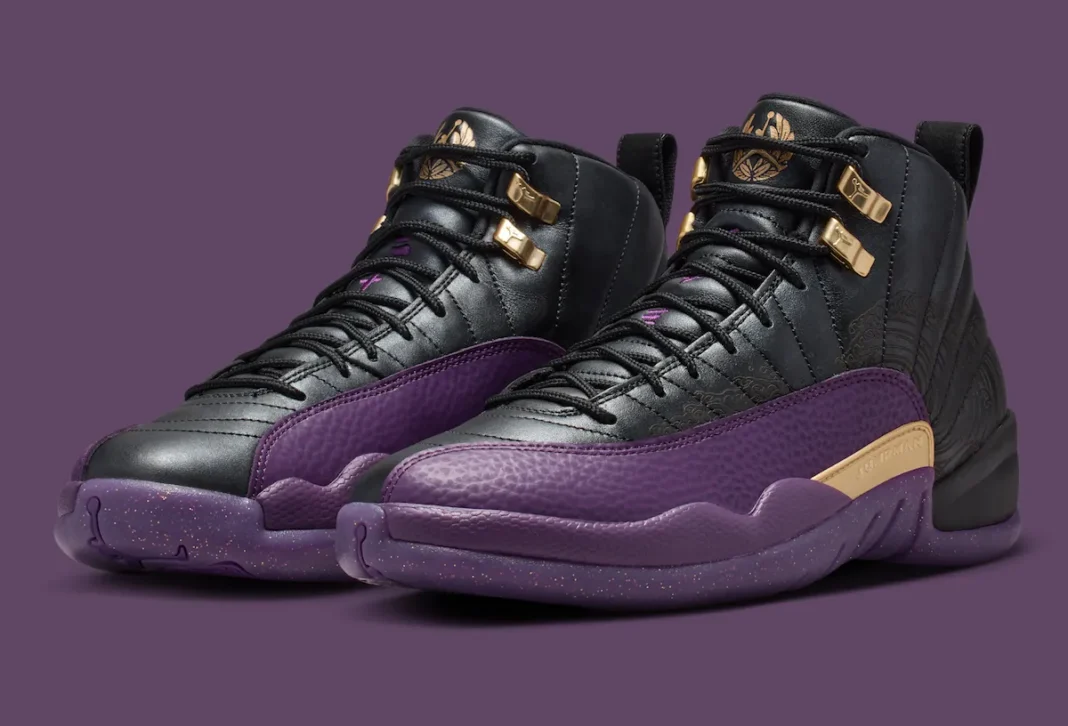
In 1996, Michael Jordan flew to Japan for a Nike tour and ended up refereeing an exhibition game between four NBA players and three sumo wrestlers, wearing an Air Jordan 12 the entire time. Thirty years later, Jordan Brand has turned that one strange afternoon into a shoe, and it is selling exactly nowhere outside Japan.
The Air Jordan 12 "Sumo," style code IW1218-098, released August 23 through an atmos raffle restricted to Japan residents, with a wider in-store release at atmos and the atmos-operated Tokyo23 store on August 25 for anyone who missed the raffle window but can still show up in person. Retail is $215, or roughly 34,100 yen. There is no SNKRS entry, no global rollout planned, and no announced restock. If you want one and you don't live in Japan, importing is the only real option — which raises the obvious question of whether that's actually worth doing.
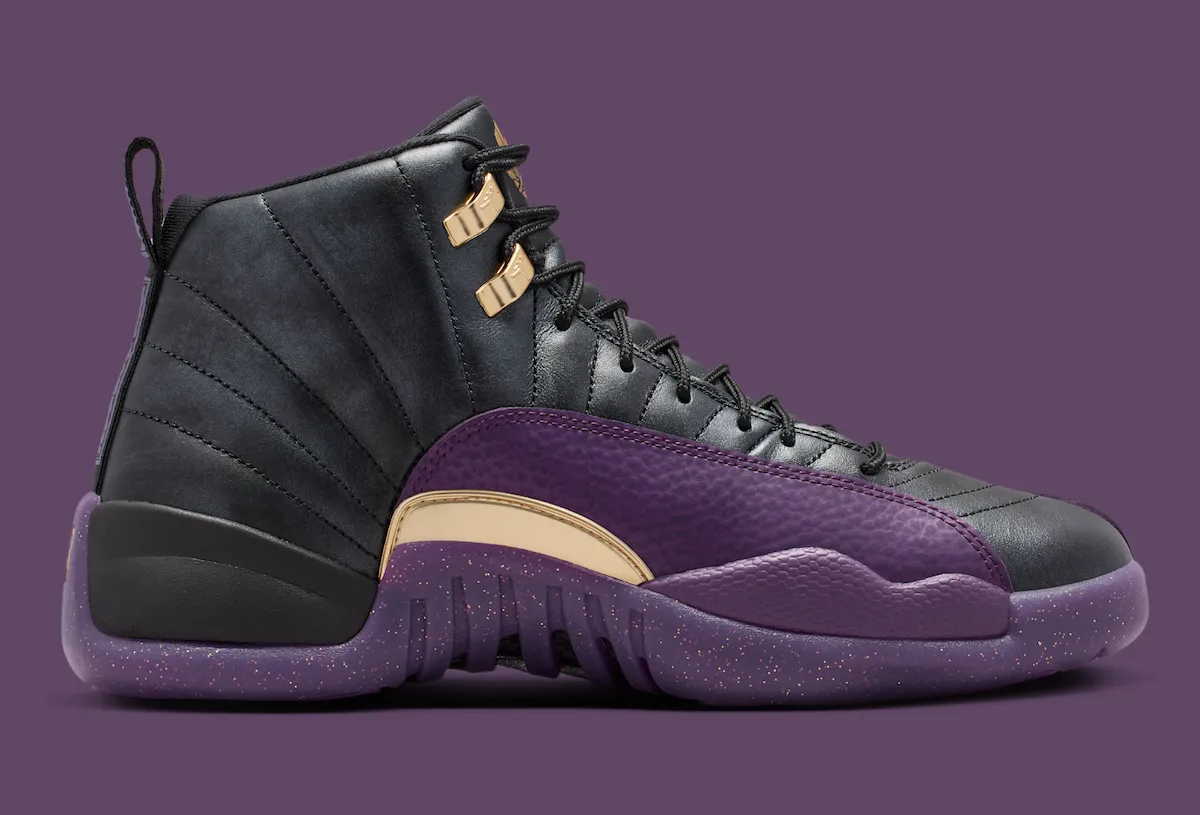
The Case for Importing It
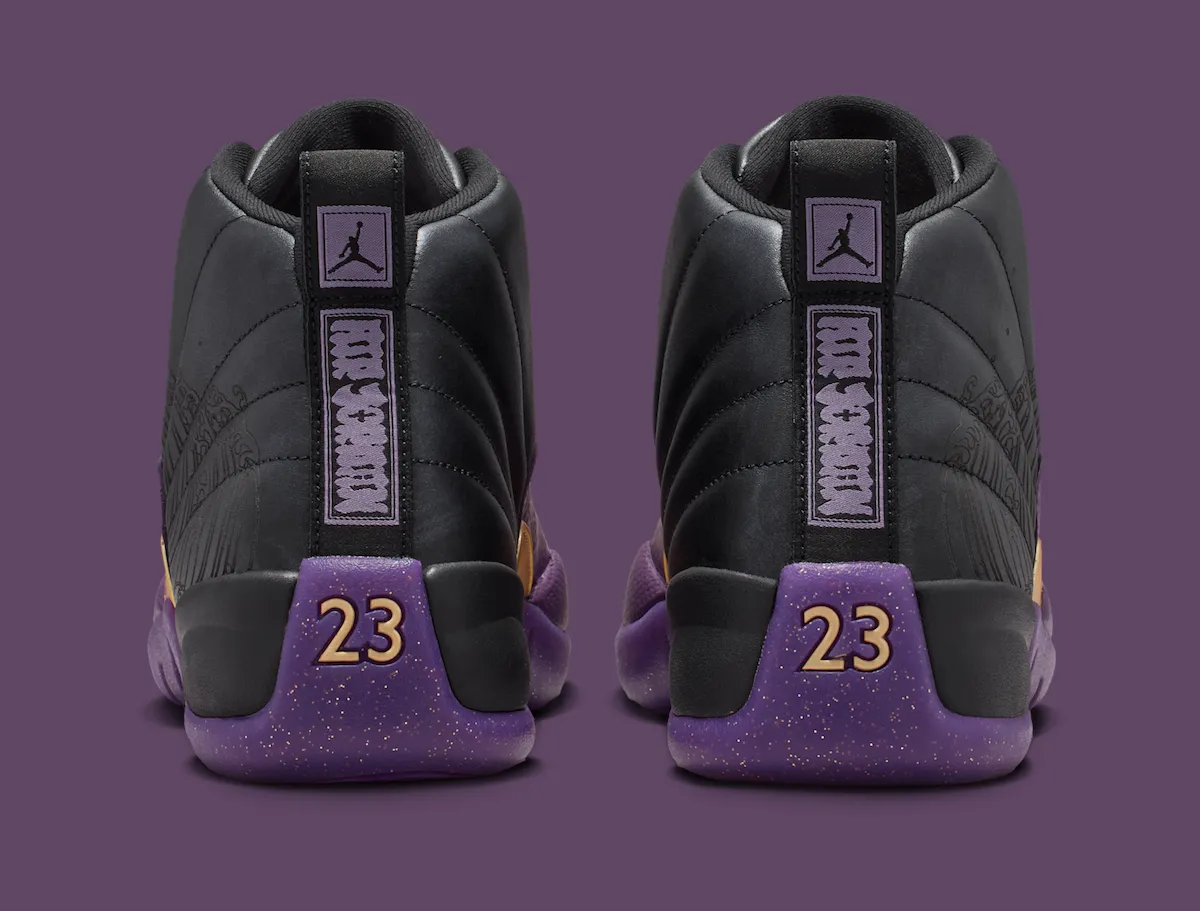
The design work here is genuinely more thoughtful than most region-exclusive Jordans get. The black leather upper carries laser-etched wave graphics pulled directly from Hokusai's The Great Wave, Night Purple overlays sit under speckled metallic gold midsole detailing, and the tongue swaps the usual Jumpman for a mark styled after a traditional Japanese family crest, with "23" restitched underneath in purple. Even the heel gets a callback, styled after senjafuda — the small temple plaques pilgrims leave behind. The packaging includes Jordan's 1995-96 season stats and a printed paper sumo kit. This is a shoe built by people who clearly cared about the reference, not a colourway assembled to hit a release calendar. Compare it to how most "world tour" or "travel pack" sneaker releases get handled — usually a single flag-colour accent and a city name on the insole — and the Sumo's commitment to one specific, slightly absurd historical moment stands out.
For a serious Jordan 12 collector, that level of specificity is exactly the kind of pair worth chasing down, region exclusivity and all. Region-locked Jordans built around a genuine historical anecdote — rather than a generic "Japan" flag slapped on a shoe — tend to hold their design integrity better over time than a hype colourway that gets a GR follow-up eighteen months later.
The packaging alone separates this from a standard regional exclusive. Most Japan-only Jordans ship in the usual shoebox with maybe a sticker on the lid marking the market. This one comes with a printed insert of Jordan's actual 1995-96 season statistics and a paper sumo kit referencing the exhibition match itself — the kind of detail that only makes sense if the design team genuinely built the shoe around the story rather than retrofitting a story onto an existing colourway.
The Case for Waiting
Here's the problem: atmos-exclusive Jordan releases have a real history of getting quiet wider re-releases twelve to eighteen months out, once the initial raffle hype settles. It happened with several Japan-only Dunk and Air Force 1 exclusives over the last few years. There's no guarantee it happens again with the Sumo, but it's common enough that patience has genuine odds of paying off here — especially since this colourway carries no immediate resale premium signal to suggest scarcity panic is justified.
There's also the raffle mechanics to consider. Entry required an active atmos membership plus verified Japan residency, open only between August 14 and 21. That's a genuinely closed loop — you cannot simply have a friend in Tokyo enter on your behalf unless they're willing to register and win in their own name, then physically hand the pair over. Every route into this shoe from outside Japan runs through someone else's win, which adds a real layer of friction and cost that most regional Jordan exclusives, even the tightly controlled ones, simply don't carry.
The Actual India Import Math
At $215 and today's rate of roughly ₹95.5 to the dollar (August 28, 2026), the declared value comes to about ₹20,533. India's footwear import stack — 35% basic customs duty, a 10% social welfare surcharge calculated on that duty, then 18% IGST applied to the compounded total — works out to a 1.634x multiplier. That puts the landed cost at roughly ₹33,550, before you've paid a single rupee to whoever is physically buying and shipping it from a Japan-only atmos raffle you can't enter yourself.
Add a personal shopping or forwarding fee on top — typically another ₹3,000 to ₹6,000 for a Japan pickup and reship, plus courier insurance if you want any recourse should the pair arrive damaged — and you're realistically looking at ₹36,000-₹39,000 landed for a $215 shoe. Compare that to what the domestically-available Air Jordan 12 "Bloodline" costs through normal retail channels, and the gap is the actual price of exclusivity here, not the shoe itself.
Our Take
If you already collect Jordan 12s and the Hokusai/sumo story genuinely means something to you, this is worth the import hassle — the design work is too specific to easily replicate, and atmos exclusives from this era of Jordan Brand tend to age into genuinely sought-after pairs rather than forgotten colourways. But if you're on the fence purely because it's "Japan exclusive" and therefore feels hype-worthy, wait. There's no resale data yet to justify urgency, and the odds of a quieter global re-release within the next year are real enough that paying a ₹15,000+ import premium today is a bet, not a sure thing.
Either way, this isn't a shoe to import on a whim. Check what Jordan 12 colourways are actually available to buy right now at /products?brand=Jordan before you commit to a Japan-only raffle you may not even win.
Sources: Sneaker Bar Detroit, Just Fresh Kicks.