On April 9, 1997, a basketball shoe became the subject of a news conference in Washington. Nobody was there to talk about cushioning. The Council on American-Islamic Relations wanted an apology from Nike, because the flame-shaped "AIR" on the heel of the new Air Bakin looked, to many Muslims, like the word "Allah" written in Arabic script.
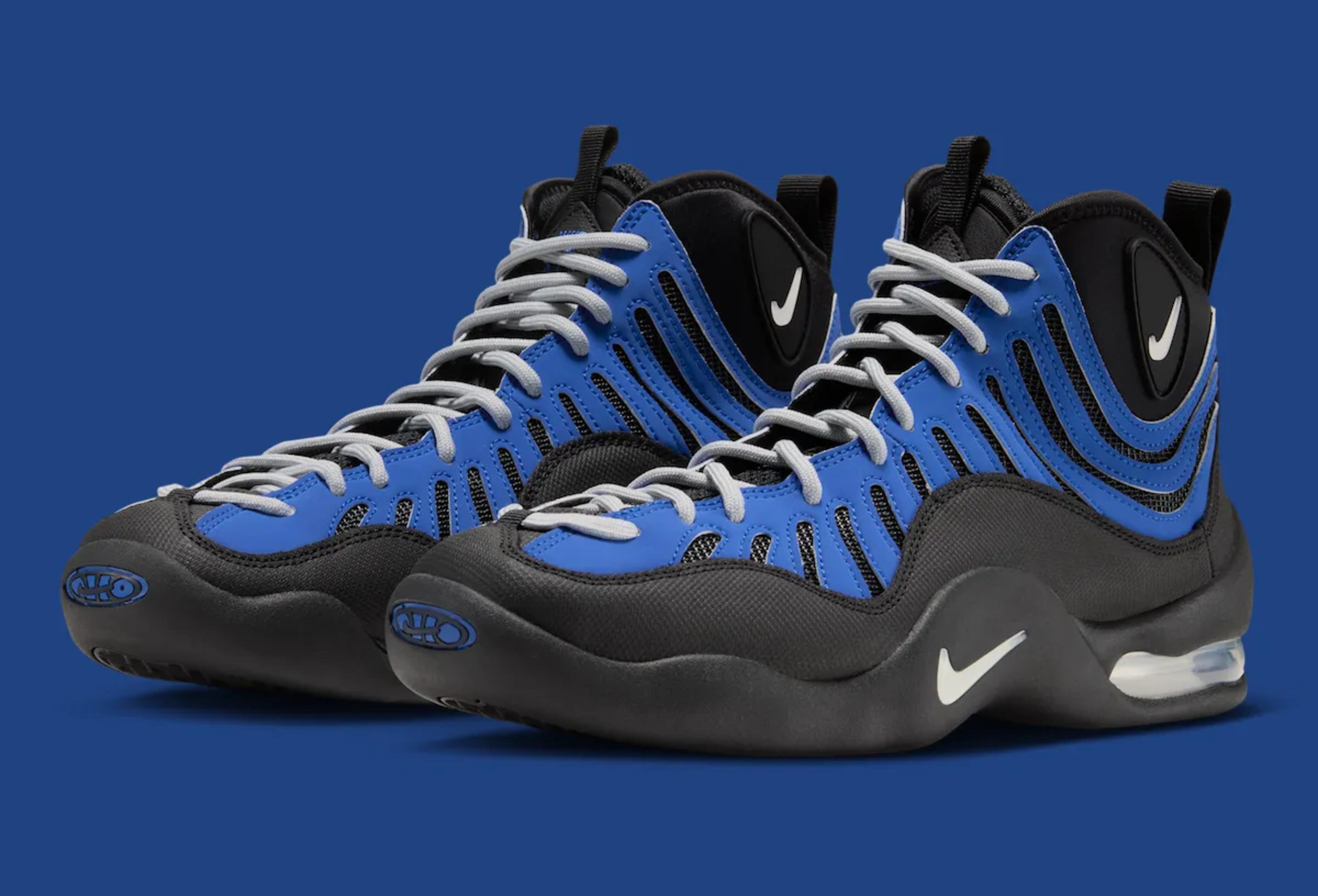
Twenty-nine years later that same shoe returns. The Nike Air Bakin High SP "Varsity Royal and Black" releases on November 12, 2026 at $170, style code IQ5365-400, according to Nike's own SNKRS page. The heel now carries an ordinary Nike Air logo. The reason for that swap is the most interesting thing about the shoe.
A summer line with a bad logo
Eric Avar designed the Air Bakin for 1997 as part of a heat-themed set, and the Associated Press listed its siblings at the time: Air Melt, Air Grill, Air B-Que. Tim Hardaway wore the red pair for the Miami Heat. It became his shoe in everything but name, though Nike never did make it an official signature model.
The flame lettering was the theme made literal. By Nike's own account the problem was spotted early: a Muslim distributor in the Middle East flagged the logo on salesman samples in late September 1996, and Nike changed the design by pulling the "A" away from the "IR". It was not enough. CAIR wrote to the company in March 1997 and said the amended logo could still be read the same way.
Then it went public. Hakeem Olajuwon wrote to Nike's president, Tom Clarke. The AP report from April 10, 1997 quotes his letter: "The placement of this holy symbol on shoes which will be soiled, walked on and disposed of is very offensive to Muslims."
The first recall in Nike's history
Nike settled in June. According to the AP's June 24, 1997 story, the company agreed to recall the shoes, apologise and pay for a $50,000 playground at an Islamic elementary school, and CAIR agreed to ask Muslims not to boycott. A Nike spokesman told the AP it was the first time the company had ever recalled a product. The Spokesman-Review put the number at 38,000 pairs the next day.
Nike's own statement added that more than 30,000 pairs had been diverted away from Saudi Arabia, Kuwait, Malaysia, Indonesia, Turkey and Lebanon, that every model with the logo was discontinued, and that a design review board had been set up. "While we never intended to offend, we did," said Martin Coles, then a Nike vice president.
Read that line again. It is a better corporate apology than most brands manage today. No "if anyone was offended". Just: we did.
Why it matters now
The Air Bakin is having quite a year. The red pair came back in late September 2026 at $170 (IQ5365-600), and in October Tim Hardaway Jr. wore his father's shoe in his own Miami Heat debut, as Sole Retriever reported. A black pair is expected before the year ends. This royal blue one, per Sneaker Bar Detroit, is the first Varsity Royal since 2008.
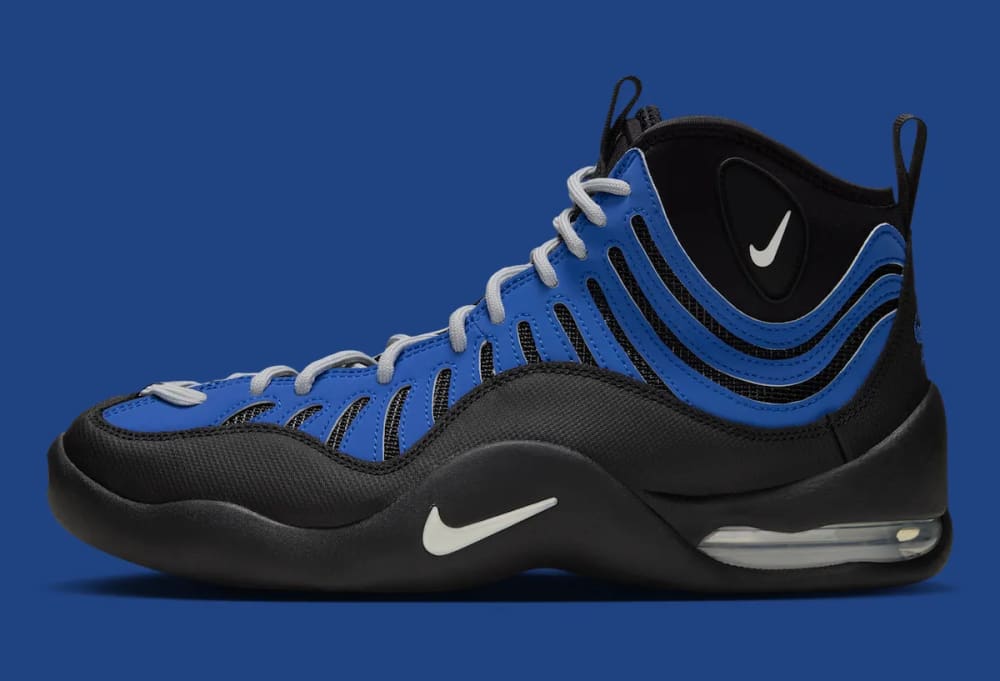
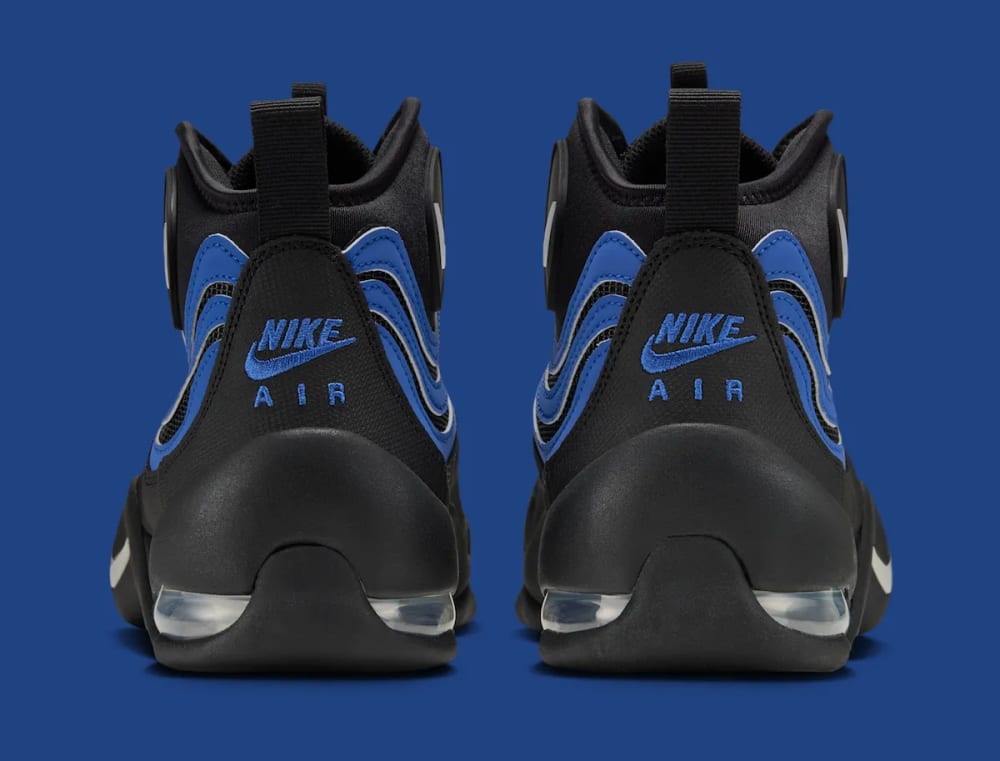
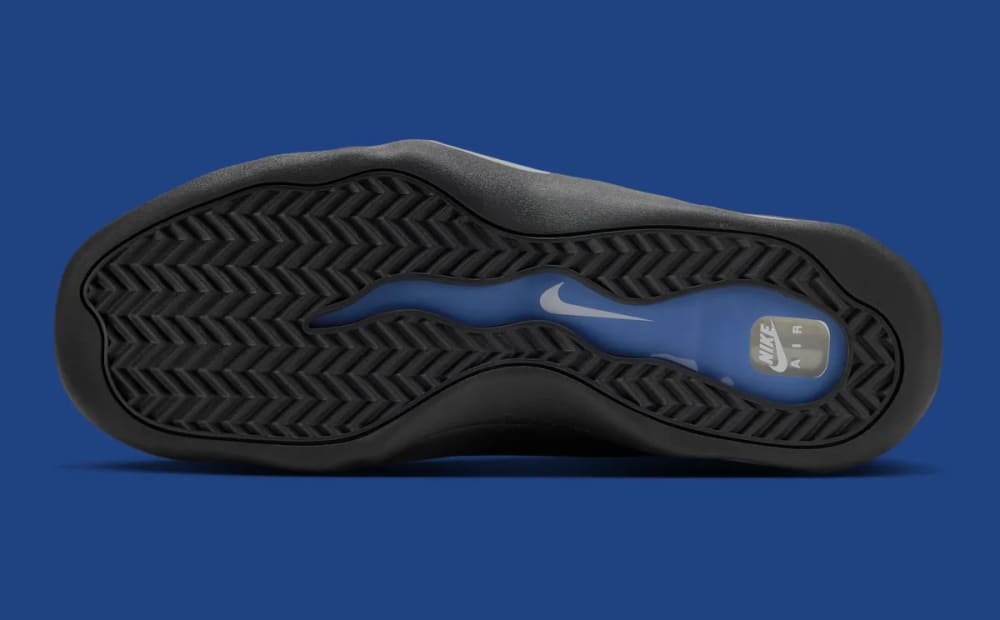
Nothing about the 2026 shoe has been modernised. Nike describes a chunky silhouette with a ribbed upper in Varsity Royal and black, Max Air in the heel and more Air in the forefoot. In Sneaker Bar Detroit's photos you can see black mesh under royal blue panels cut with long slits, grey laces, white piping, and small white Swooshes at the ankle and midsole. And on the heel, stitched in blue, the standard Nike Air logo.
Some collectors will grumble that a retro without the original logo is not a true retro. They are wrong. A shoe is not a museum piece, and a mark that insulted people in 1997 would insult them in 2026. Nike kept everything that made the Bakin good and dropped the one thing that made it infamous. That is the right trade.
Air Bakin Varsity Royal price in India
This story lands differently here than it does in Oregon. India has one of the largest Muslim populations in the world, and Indian sneaker buyers are exactly the audience that 1997 Nike forgot existed: people outside America who read a logo in more than one script. Global brands now design for India on purpose. The Bakin is a reminder of what happens when they design without looking.
As for buying it, there is no India release we could find. Nike's India site showed no launch page for IQ5365-400. Importing means $170, which is about ₹15,970 at ₹93.96 to the dollar on November 11, 2026 (open.er-api.com), plus the footwear duty stack of 20% basic customs duty, a 4% cess, a 10% surcharge on both and 18% IGST. EximPe's calculator totals that at 49.15%, so roughly ₹23,820 landed before shipping.
On resale, StockX's market figures did not load for either 2026 pair when we checked, so we have no sale data to give you. The only numbers we saw were Stadium Goods asking prices: $406 for the royal before release and $267 for the red. An ask is a wish, not a sale. Paying $406 for a $170 shoe that Nike is still shipping would be silly.
Worth it?
At retail, yes, provided you like your basketball shoes loud. The Bakin is a big shoe that will not disappear under slim jeans and should not be asked to, so give it wide cargos, mesh shorts or a boxy tee and treat it like the 90s artefact it is.
At ₹23,820 landed it is a harder sell. That money buys a lot of shoe in India, and a chunky mid-top with heavy panelling is not what you want on your feet in May. Buy it for the story and for the four cool months, or skip it. Do not buy it as an investment. The red pair came back weeks ago and a black one is coming, so supply is not the problem.
What we would love is for Nike India to stock it. Until then, you can see the Nike pairs we carry, priced in rupees with shipping included.
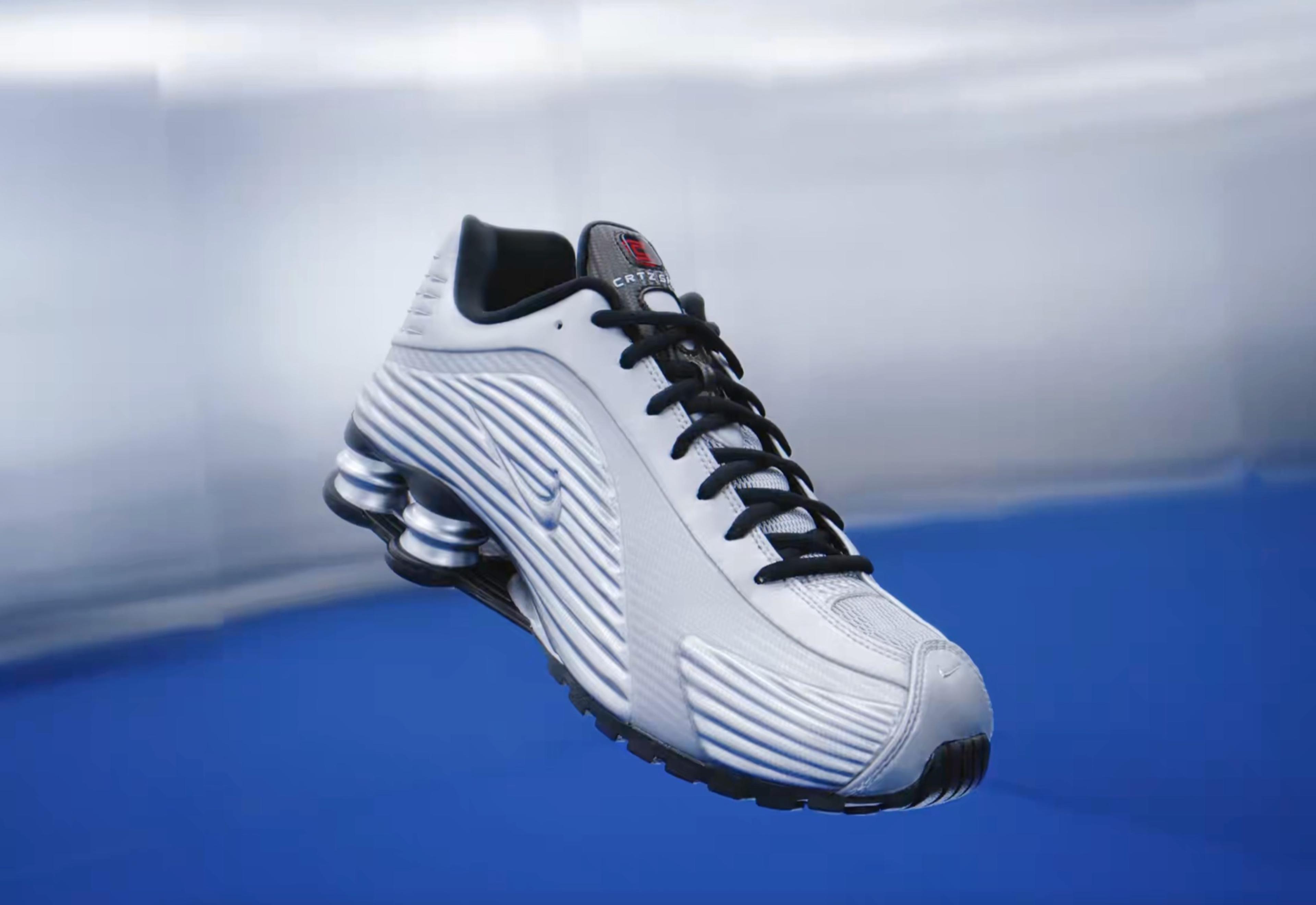
The Bakin is not the only late-90s Nike getting a second life this season. We wrote about another one in our piece on the Shox comeback.