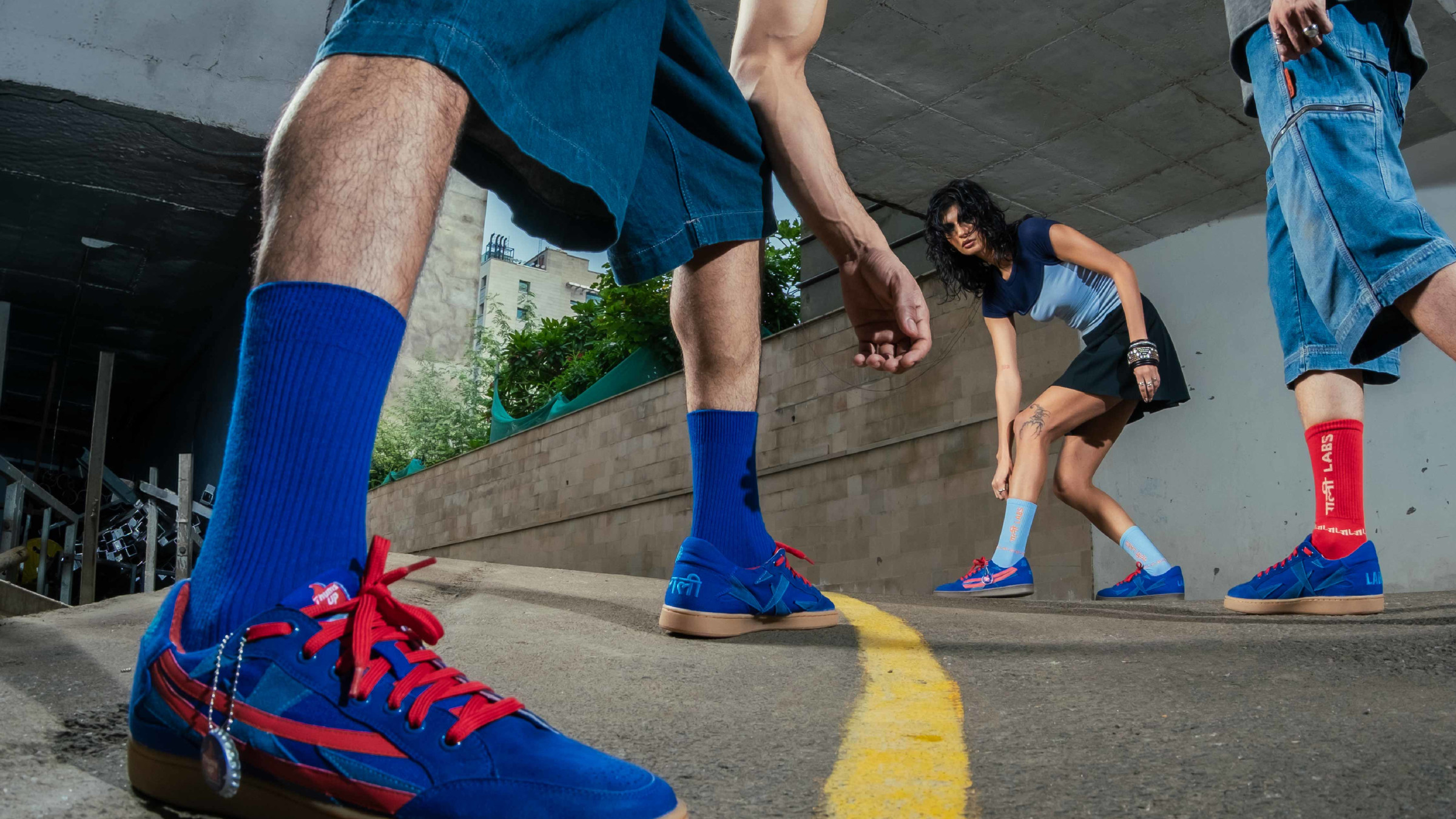
A full de-yellowing and repaint on a pair of sneakers in India now runs anywhere between ₹2,000 and past ₹6,000, depending on the damage. A basic wash on a canvas pair costs as little as ₹300. Somewhere in that ₹5,700 gap sits a decision most Indian sneaker owners eventually have to make: pay someone else, or spend a Sunday afternoon with a toothbrush and hope for the best.
The question has gotten more urgent as collections have gotten more expensive. Nobody was paying a specialist ₹6,000 to restore a ₹2,000 canvas pair five years ago, because nobody had a ₹6,000 sneaker collection worth protecting. Now a decent chunk of readers here do, and the calculus around who touches your shoes has actually changed.
India's climate doesn't help. Monsoon mud, dust from unpaved stretches even in major metros, and heat that yellows a white midsole faster than it would in a temperate country all conspire against anyone trying to keep a collection looking new. A pair that would stay pristine for years in a drier climate can visibly age here within a single season, which is exactly why this service category has found real demand rather than staying a niche.
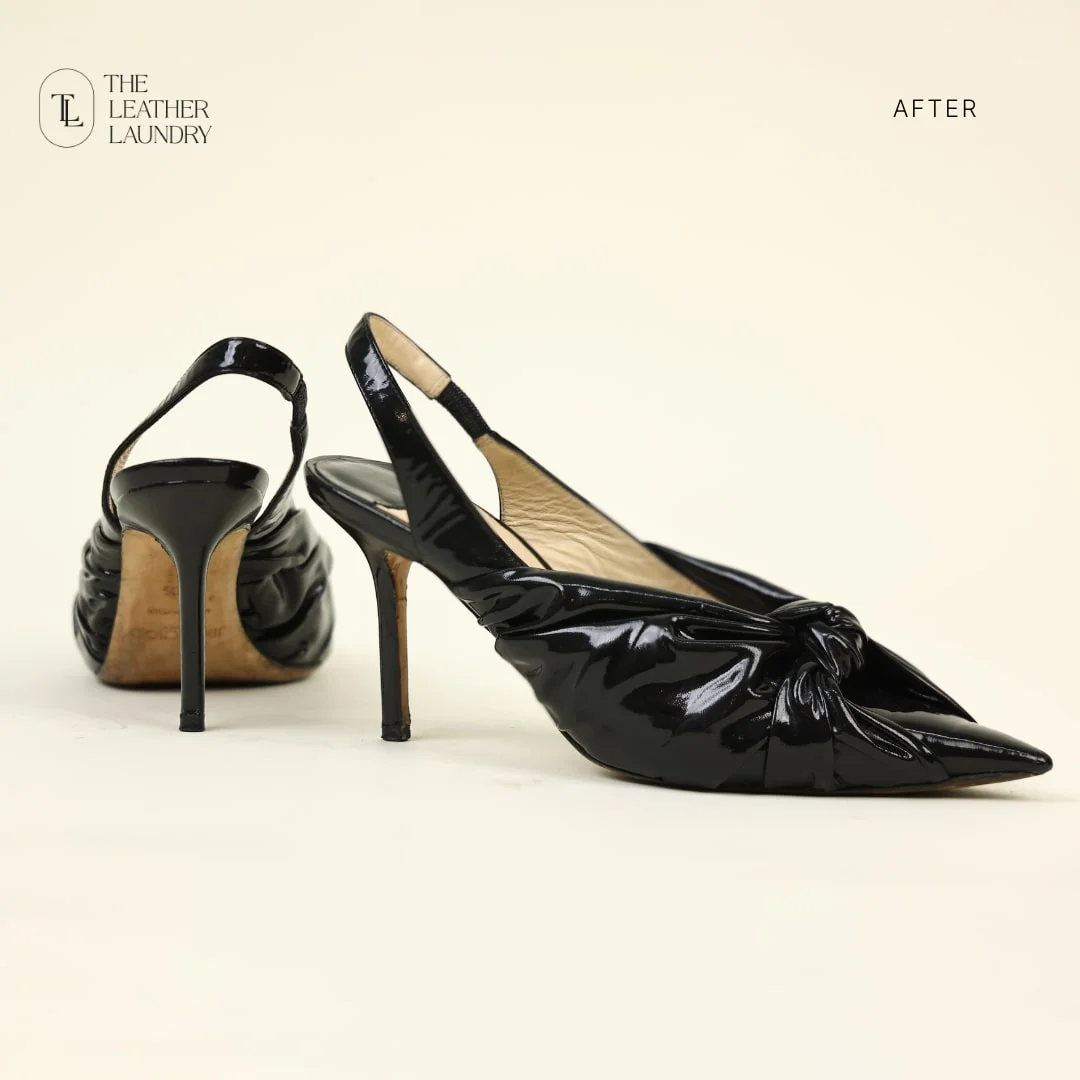
The Case for Paying a Professional
According to a pricing breakdown from The Leather Laundry's own India cleaning guide, the tiers break down roughly like this: ₹300 to ₹600 for fabric and canvas pairs, ₹600 to ₹1,000 for leather and mixed materials, ₹1,000 to ₹2,500 for designer and premium-material pairs, and ₹2,000 upward of ₹6,000 for full restoration work — de-yellowing, repainting, structural sole repair. The guide is blunt about the lower end of that range too: anything priced meaningfully below it is probably cutting the process short, usually the 24 to 48 hours of proper drying time a deep clean actually needs.
That drying time is the detail most people skip when they try this at home, and it's the difference between a clean shoe and a shoe with a subtly warped midsole six months later. Sneakinn, a Mumbai-Gurgaon-Delhi operation, counts a Levi Strauss & Co. US managing director among its public testimonials — not proof of quality by itself, but a signal that people with money and better options are choosing to pay for this rather than do it themselves. Coverage now spans at least 18 Indian cities across companies like The Leather Laundry, plus separate operators like De Leather Craft running in a further 13 cities including Chandigarh, Amritsar and Jalandhar. That is not a niche service anymore. That is infrastructure.
The Case for Just Doing It Yourself
Here's my pushback: most sneaker damage in India is not the kind that needs a specialist. It's mud from a monsoon commute, everyday scuff on the toe box, general grime on a pair you wear three times a week. A soft brush, a mild detergent, and letting the shoe air-dry away from direct sun handles 80% of what actually happens to a sneaker here, and it costs you nothing beyond ten minutes and a toothbrush you already own. We laid out the full home method in our own sneaker care guide for India, and none of it requires sending a pair away for four days.
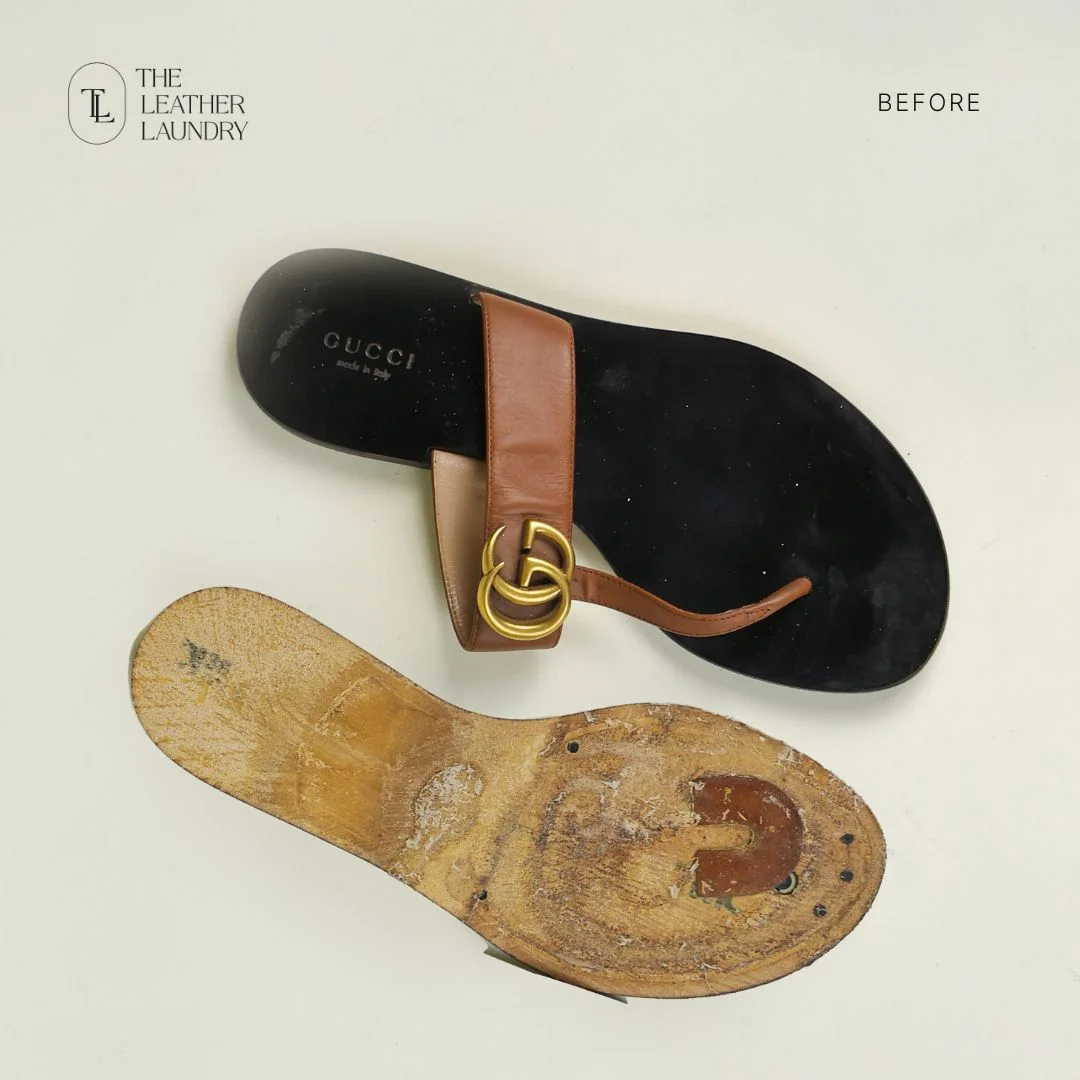
Paying ₹2,500 to deep-clean a ₹4,000 pair of everyday sneakers is not a rational trade, no matter how good the before-and-after photos look. Professional restoration earns its price on the shoes where getting it wrong actually costs you something: yellowed midsoles on a pair that's appreciated in value, a sole separating on something you can't easily replace, or genuine structural damage on a shelf piece you're not willing to risk a home attempt on.
The other home-cleaning risk nobody mentions enough: household bleach and harsh detergents strip the finish off premium suede and nubuck permanently, in a way no amount of careful brushing afterward fixes. If you're reaching for anything stronger than mild soap and warm water on a pair that actually matters to you, stop and price out the professional option first. That single mistake costs more in ruined material than a dozen professional cleans would have.
Where the Line Actually Sits
Turnaround matters here too. Professional services need a minimum of two to four days once you account for drying protocols, so this isn't a same-day fix if you need the shoe for an event tomorrow. Multiple operators now offer doorstep pickup and drop-off across their listed cities, which removes the old barrier of physically carrying a pair across town — that logistics layer is a big part of why this category has scaled the way it has since 2020.
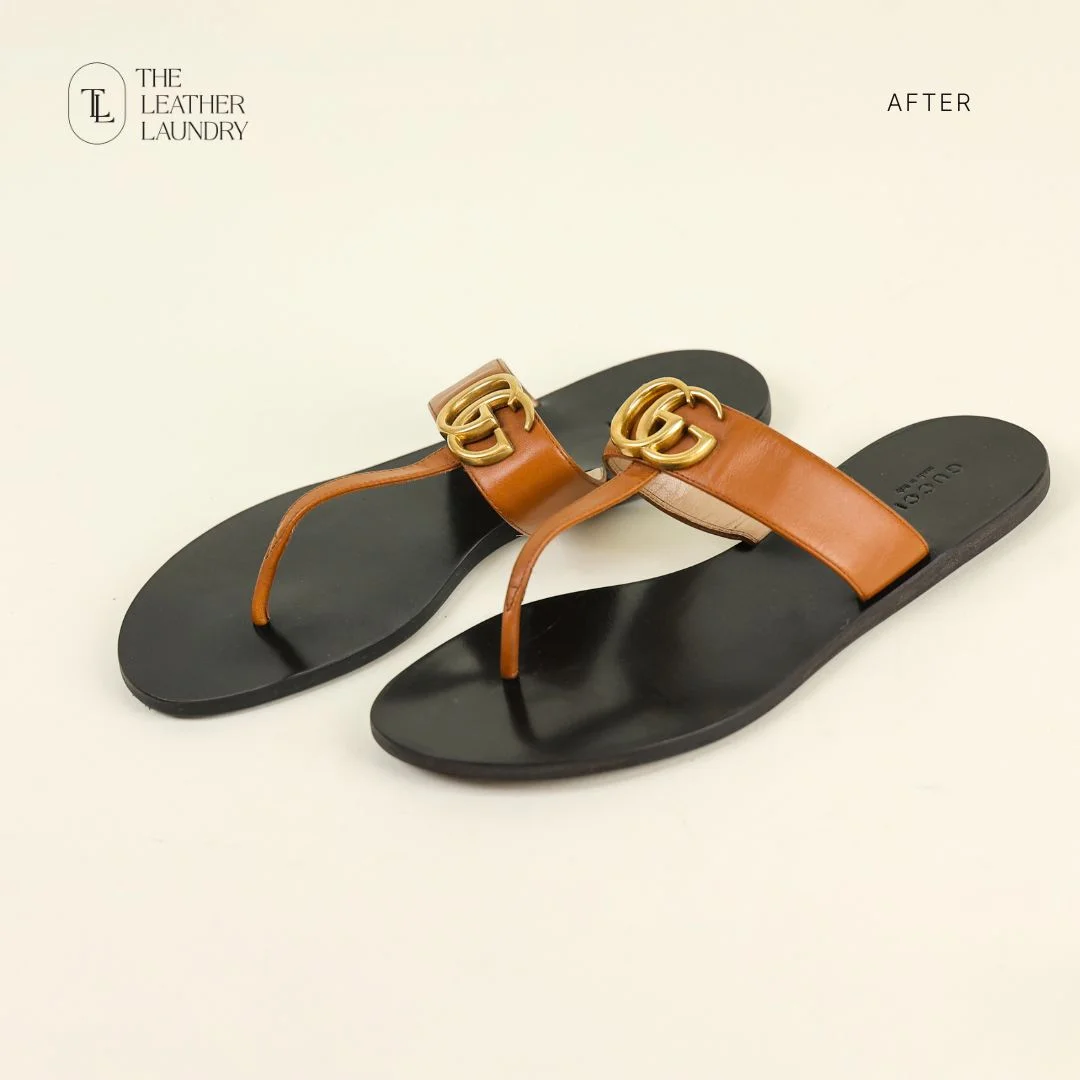
Ask any operator upfront whether they photograph the pair before and after, and whether they'll walk away from a job rather than force a result on a material that can't take it. A good restorer tells you when a shoe isn't worth saving. One that promises to fix anything for the right price usually isn't the one you want handling a pair you actually care about.
Our Verdict
Draw the line at replacement cost, not sentimental value. If a professional restoration costs more than a third of what a fresh, verified pair would cost you, do it yourself or accept the wear as character. If the pair is genuinely hard to replace, or the damage is structural rather than cosmetic, pay the specialist and don't feel bad about the ₹2,000 to ₹6,000 — that price range reflects real materials and real drying time, not markup for the sake of it. And before you're in a position where restoration is even a question, buying from a source that guarantees authenticity in the first place saves you the debate entirely — our verified Adidas lineup is a good place to start if grey-market anxiety is half of why your current pair needs saving.